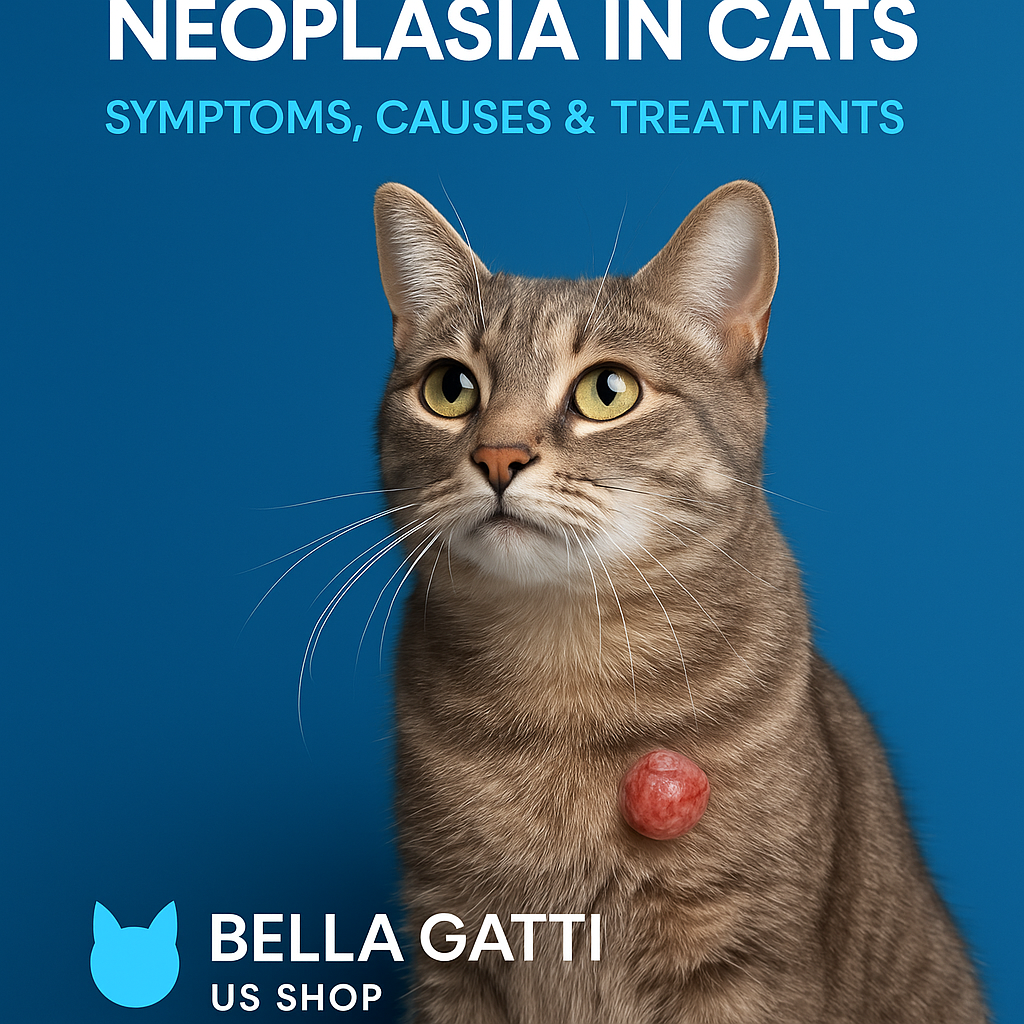
TL;DR (Too Long; Didn’t Read)
- What it is: Neoplasia refers to abnormal cell growth (tumors) in cats, which can be benign or malignant (cancerous). The most common types include lymphoma, squamous cell carcinoma, and mammary tumors.
- Key Symptoms: Early detection is critical; owners should watch for visible lumps, persistent swelling, unexplained weight loss, lethargy, or sudden behavioral changes.
- Diagnosis & Causes: Growths are triggered by genetics, environmental toxins, and viral infections like FeLV. Veterinarians use physical exams, imaging, and fine-needle aspiration (which is 70-80% accurate) to confirm a diagnosis.
- Treatment & Prognosis: Options include surgery, chemotherapy, and radiation. Early intervention significantly boosts survival rates, with localized mammary tumors having an 80% cure rate and early-stage lymphoma showing a 70% two-year survival rate.
Table of Contents
Finding a lump on your fluffy friend can feel like a punch to the gut. You want answers, and you want them fast. Neoplasia, which is a medical term for abnormal cell growth, is a major part of feline health discussions today.
At Bella Gatti US Shop, we love cats as much as you do. While we usually focus on the perfect Unisex Soft Cotton Tee, we know that keeping your cat healthy is your top priority. Let’s dive into what you need to know about this condition in 2026.
What is Neoplasia? Understanding Feline Cancer and Growths
Neoplasia occurs when uncontrolled cell growth forms a tumor. For proactive cat owners, distinguishing between benign and aggressive malignant masses is vital for health management. Regularly monitoring your pet for physical changes and consulting veterinary experts ensures you provide the highest standard of care for your feline cancer companion.
Common Types of Neoplasia in Cats
Feline neoplasms vary, but three types are most prevalent. Lymphoma leads, comprising 30% of cases and typically targeting the digestive tract. Squamous cell carcinoma frequently affects the skin, while aggressive mammary tumors are also common. Regular veterinary exams remain essential for early detection and effective management.
Recognizing the Symptoms of Neoplasia in Cats
Early detection is vital for animal health. Common neoplasia symptoms include visible lumps, persistent swelling, and unexplained weight loss. Since these signs often mirror general behavioral changes, monitor your pet closely. If you discover a growth while grooming, consult a veterinarian immediately to ensure a prompt diagnosis.
Causes and Risk Factors for Feline Tumors
What causes these growths? Genetics, carcinogens, and radiation are primary triggers. Viral infections like FeLV also significantly elevate cancer risks. Research shows carcinogens can increase neoplasia risks by 50%. You can mitigate these threats by providing high-quality nutrition and maintaining a toxin-free environment for your pets.
Diagnostic Methods for Feline Neoplasia
Vets diagnose feline tumors using physical exams, imaging like X-rays, and biopsies. Cytology is also vital; fine needle aspiration offers 70–80% diagnostic accuracy. This efficient test determines if a mass is a benign cyst or a serious condition requiring intensive pet safety protocols and immediate medical intervention.
Treatment Options for Cats with Neoplasia
Modern veterinary medicine offers surgery, chemotherapy, radiation, or palliative care to balance effective treatment with quality of life. Surgery remains the primary defense, curing up to 80% of localized mammary carcinomas. To ensure comfort, supplement clinical care with lifestyle adjustments and specialized senior pet supplies.
Prognosis Based on Tumor Type and Stage
Proactive care is vital for feline neoplasia; early detection boosts 2-year survival rates above 70%. By monitoring health trends and seeking prompt veterinary intervention, you ensure your cat thrives. While we provide the style, you provide the advocacy needed for a long, healthy life.
Expert Insight
“Neoplasia is one of the main causes of mortality in adult and senior domestic cats; however, because feline cancers exhibit unique biological behaviors, early detection and species-specific diagnostic strategies are essential to providing effective, tailored oncological care.”, Editorial Board, Frontiers in Veterinary Science
What Exactly Is Feline Neoplasia?
Neoplasia occurs when feline cells multiply uncontrollably, forming tumors. Benign masses remain localized, while malignant tumors—cancer—invade other tissues. With 6 million U.S. cats diagnosed annually, early recognition is vital. Consulting resources like The Spruce Pets helps owners navigate these health challenges to ensure long-term feline wellness.
Common Types of Neoplasia in Cats
Feline neoplasms vary, with lymphoma, squamous cell carcinoma, and mammary tumors being most prevalent. Lymphoma accounts for 30% of cases, typically impacting the digestive tract. Meanwhile, carcinomas often affect exposed skin. Regular physical checks are vital for early detection of these common, life-threatening feline cancers.
Recognizing the Symptoms of Neoplasia
Monitor your cat for neoplasia symptoms like lumps, swelling, weight loss, or decreased appetite. Roughly 60% of cases involve detectable masses found during petting. Additionally, watch for lethargy or behavioral shifts; if your cat stops playing, consult a veterinarian immediately to address these critical health indicators.
Causes and Risk Factors for Feline Cancer
Genetics, radiation, and carcinogens drive cancer risks, while viral infections like FeLV significantly impact feline health. Research shows environmental toxins increase neoplasia risks by 50%. Prioritizing indoor safety, quality nutrition, and preventative care across all life stages is essential for reducing these long-term health threats.
Diagnostic Methods for Feline Neoplasia
To diagnose suspicious bumps, vets use physical exams, imaging, and biopsies. Fine-needle aspiration is a common first step, offering 70–80% diagnostic accuracy for feline tumors. By leveraging modern medical databases and advanced technology, veterinarians can quickly confirm results and develop a precise, tailored wellness plan for your cat.
Treatment Options for Your Cat
Managing a diagnosis involves surgery, chemotherapy, radiation, or palliative care. Early surgical excision is highly effective, curing up to 80% of localized mammary carcinomas. Alternatively, cats often tolerate chemotherapy remarkably well, allowing them to maintain an excellent quality of life while undergoing treatment for more advanced cases.
Prognosis Based on Tumor Type and Stage
Prognosis depends on tumor type and early detection, which significantly improves outcomes. Some cancers respond well to treatment; for instance, early-stage lymphoma carries a 70% two-year survival rate. Staying informed and proactive remains your most effective tool for ensuring long-term feline health and safety.
The Most Common Types of Neoplasia in Cats
Common feline cancers include lymphoma, squamous cell carcinoma, and mammary tumors. Early detection through regular grooming is vital, as 80% of mammary cases are malignant. Understanding these risks ensures better wellness outcomes and long-term safety for your pet.
Feline Tumor Statistics and Facts
| Tumor Type |
Common Location |
Key Fact |
| Lymphoma |
GI Tract, Kidneys |
Accounts for 30% of cases |
| Squamous Cell Carcinoma |
Mouth, Ears, Nose |
Often linked to sun exposure |
| Mammary Adenocarcinoma |
Mammary Glands |
80% are malignant in cats |
| Mast Cell Tumors |
Skin, Spleen |
Can vary from benign to aggressive |
Symptoms of Neoplasia in Cats
Cats stoically mask pain, making early detection vital. Watch for lumps, weight loss, or behavioral shifts like hiding. Diagnostic tools including biopsies and fine-needle aspirations identify internal issues early, significantly improving survival rates. Prompt veterinary intervention ensures better health outcomes and more effective treatment for feline neoplasia.
Common Red Flags and Feline Behavior
Behavioral changes often signal underlying illness. Aggression, lethargy, or non-healing sores warrant immediate professional evaluation. Monitoring these subtle shifts is essential for proactive pet care.
Diagnostic Methods for Neoplasia
Vets utilize imaging and cytology to confirm diagnoses. These clinical methods provide the accuracy needed to develop successful long-term treatment plans.
Causes and Risk Factors
Feline cancer stems from genetic predisposition, environmental toxins like secondhand smoke, and viral infections such as FeLV. To ensure long-term wellness, prioritize vaccinations, indoor safety, and high-quality nutrition. Since risk increases with age, regular veterinary checkups are essential for early detection and maintaining your cat’s health.
Diagnostic Methods for Neoplasia
Vets diagnose feline tumors through physical exams and blood work. Fine-needle aspiration offers 70–80% diagnostic accuracy, while biopsies provide definitive results. Imaging tools like X-rays or CT scans detect metastasis. Early detection via professional veterinary assessment is vital for improving your cat’s prognosis and tailoring a recovery plan.
Treatment Options for Cats
Modern veterinary care offers several paths for managing feline cancer. Options include surgical excision, which is often curative for localized tumors, or chemotherapy and radiation. For senior cats, palliative care prioritizes comfort. Integrating specialized nutrition and diligent grooming further supports overall wellness and recovery during treatment.
Prognosis Based on Tumor Type and Stage
Prognosis depends on tumor type and early detection. Feline lymphoma often responds to chemotherapy, while early surgical excision cures 80% of localized mammary carcinomas. Prioritizing routine checkups ensures better outcomes, allowing cats to maintain a high quality of life through professional treatment plans and modern palliative care options.
Pros and Cons of Cancer Treatment: Weighing Your Options
Deciding on treatment requires balancing medical facts with your cat’s quality of life. While surgery or medication can offer cures or extended comfort, owners must weigh financial costs and veterinary stress. Consulting professionals ensures your plan aligns with your pet’s wellness, prioritizing happiness alongside effective clinical care.
Frequently Asked Questions About Feline Neoplasia
Is feline cancer contagious?
Cancer itself isn’t contagious, but viruses like FeLV are. Keep vaccinations current to prevent viral-induced neoplasia.
Can diet prevent it?
No specific food guarantees protection, but high-quality nutrition and weight management support immune health.
Does a lump mean cancer?
Not always. Many are benign, but professional biopsies are necessary to distinguish harmless cysts from dangerous tumors.
A Final Word on Feline Wellness and Pet Care
Managing feline health requires being your pet’s advocate. Stay observant of behavioral changes and prioritize professional veterinary advice over quick online searches. Modern medicine ensures many cats thrive post-diagnosis. Whether browsing cat-themed apparel or researching wellness, remember that expert care is the gold standard for a joyful pet lifestyle.
Types of Neoplasia in Cats
Recognizing common feline neoplasms like lymphoma, squamous cell carcinoma, and mammary tumors is vital for animal wellness. Lymphoma accounts for 30% of cases, while skin and mammary cancers require vigilant monitoring. Identifying these early through proactive senior pet care ensures timely veterinary intervention and improved long-term health outcomes.
Symptoms of Neoplasia in Cats
Early detection is vital for pet safety. Watch for visible lumps, swelling, sudden weight loss, or appetite changes. Statistics show 60% of cats with neoplasia present physical masses. If you notice abnormalities while grooming, seek veterinary care immediately; timely intervention significantly improves treatment outcomes and long-term health.
Causes and Risk Factors in Feline Health
Neoplasia stems from genetics, radiation, or environmental carcinogens, which can increase cancer risks in pets by 50%. Additionally, viral infections like Feline Leukemia Virus significantly impact feline health. Recognizing these multifaceted triggers is vital for proactive management, informed vaccination choices, and ensuring long-term domestic animal wellness.
Diagnostic Methods for Neoplasia
Veterinarians diagnose suspicious lumps using physical exams, imaging, and biopsies. Fine needle aspiration is a common, minimally invasive first step, offering 70–80% diagnostic accuracy for feline tumors. Identifying the mass early ensures a precise treatment plan, allowing for essential nutritional and lifestyle adjustments during your cat’s recovery.
Treatment Options for Cats
Modern veterinary medicine treats feline neoplasia through surgery, chemotherapy, radiation, or palliative care. Treatment depends on tumor type and feline health. Early surgical excision cures 80% of localized mammary carcinomas. Alternatively, chemotherapy manages symptoms, while home comfort supplies ensure a high quality of life throughout the process.
Prognosis Based on Tumor Type and Stage
Early detection is vital for feline neoplasia survival; prompt diagnosis of tumors like lymphoma significantly improves chemotherapy outcomes. Regular veterinary checkups remain essential, as early intervention yields a 70% two-year survival rate. Staying informed ensures your cat receives the best care for a long, healthy life.