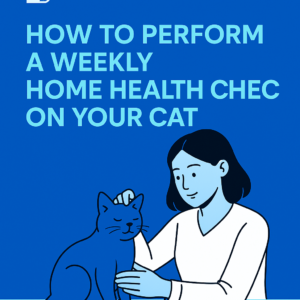
- Conduct Weekly Inspections: Spend 10 minutes performing a nose-to-tail check to establish a health baseline, as cats instinctively hide pain and illness.
- Monitor Key Physical Indicators: Check for clear eyes, moist pink gums, and a lustrous coat, while feeling for any new lumps, skin lesions, or changes in body weight and condition.
- Track Vitals and Behavior: Monitor resting heart and respiratory rates, hydration levels via the “skin tent” test, and any sudden shifts in appetite or litter box habits.
- Early Detection is Key: Identifying subtle changes, such as “flea dirt,” unusual odors, or mobility issues, allows for timely veterinary intervention before minor issues become medical crises.
Table of Contents
- The Art of the Weekly Home Health Check for Your Cat
- Feline Vision Examination and Eye Clarity
- Gingival Health in Cats and Oral Inspection
- Monitoring Weight and Body Condition
- Skin Lesions and Lumps Detection
- Assessing Coat Condition and Grooming Needs
- Vital Signs: Cat Pulse Monitoring and Temperature
- Checking Gums and Oral Health
- Checking for Lumps, Bumps, and Skin Lesions
- Examining Eyes for Clarity and Signs of Illness
- Visual Examination of Gums and Oral Health
- Cat Health Assessment Checklist
- Advanced Skin Monitoring and Parasite Detection
- Vital Signs and Feline Hydration Levels
- Monitoring Appetite and Litter Box Behavior
- Common Questions About Your Feline Wellness Routine
The Art of the Weekly Home Health Check for Your Cat
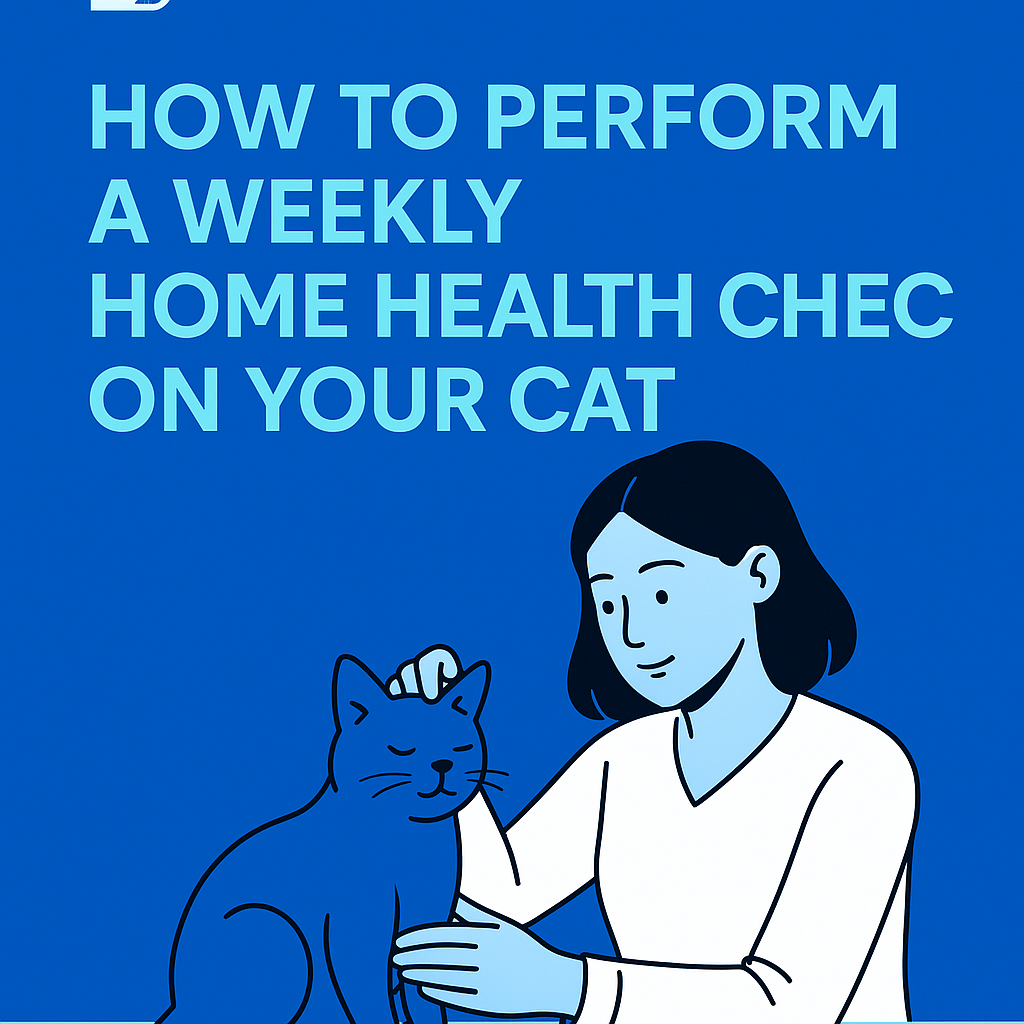
Cats are masters of disguise, instinctively masking pain or illness to avoid appearing vulnerable to potential threats. Because of this evolutionary trait, proactive weekly health assessments are vital for early detection of issues that might otherwise go unnoticed. Spending just ten minutes systematically checking your pet allows you to establish a “baseline” of what is normal, making it easier to identify subtle physiological changes. This routine not only strengthens your bond through physical touch but also bridges the gap between annual professional checkups, significantly improving long-term feline wellness outcomes.
Feline Vision Examination and Eye Clarity
Building on that baseline of physical health, the eyes serve as a primary window into your cat’s internal well-being. Healthy feline eyes should be bright, clear, and symmetrical, with the white part of the eye (the sclera) appearing clean rather than bloodshot. During your examination, look for signs of “third eyelid” protrusion, which often indicates systemic stress or dehydration. You should also observe the pupils in varying light; they should constrict and dilate equally. Any persistent squinting or unusual discharge, whether clear, yellow, or green, warrants a consultation with a veterinarian to prevent potential corneal damage or infection.
Gingival Health in Cats and Oral Inspection
Once you have assessed your cat’s facial symmetry and vision, gently lift the lips to inspect the oral cavity, a frequently overlooked area of home care. Healthy gums should be moist and a consistent pale pink; however, a thin, bright red line along the tooth base often signals the onset of gingivitis. Beyond the gums, check the teeth for “chatter” or fractured enamel, and take note of any growths on the tongue or under the jaw. While “kitty breath” is common, a truly pungent or sweet odor can indicate metabolic issues like kidney disease or diabetes, making this quick sniff a critical diagnostic tool for internal health.
Monitoring Weight and Body Condition
The final step in a comprehensive home assessment involves monitoring physical mass and skeletal definition, as weight fluctuations are often the first measurable sign of chronic illness. Since a loss of just one pound in a cat is equivalent to a significant double-digit weight drop in a human, precision is key; consider using a digital baby scale for the most accurate tracking. Beyond the numbers on the scale, perform a “hands-on” rib check: you should be able to feel the ribs under a thin layer of fat, but they should not be visible to the eye. Observing a defined waistline from above ensures your cat maintains a healthy body condition score, which is a primary factor in preventing feline obesity and joint degradation.
Skin Lesions and Lumps Detection
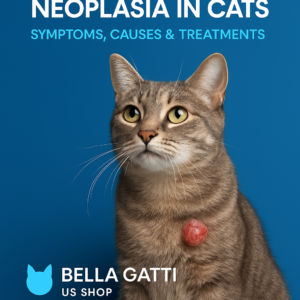
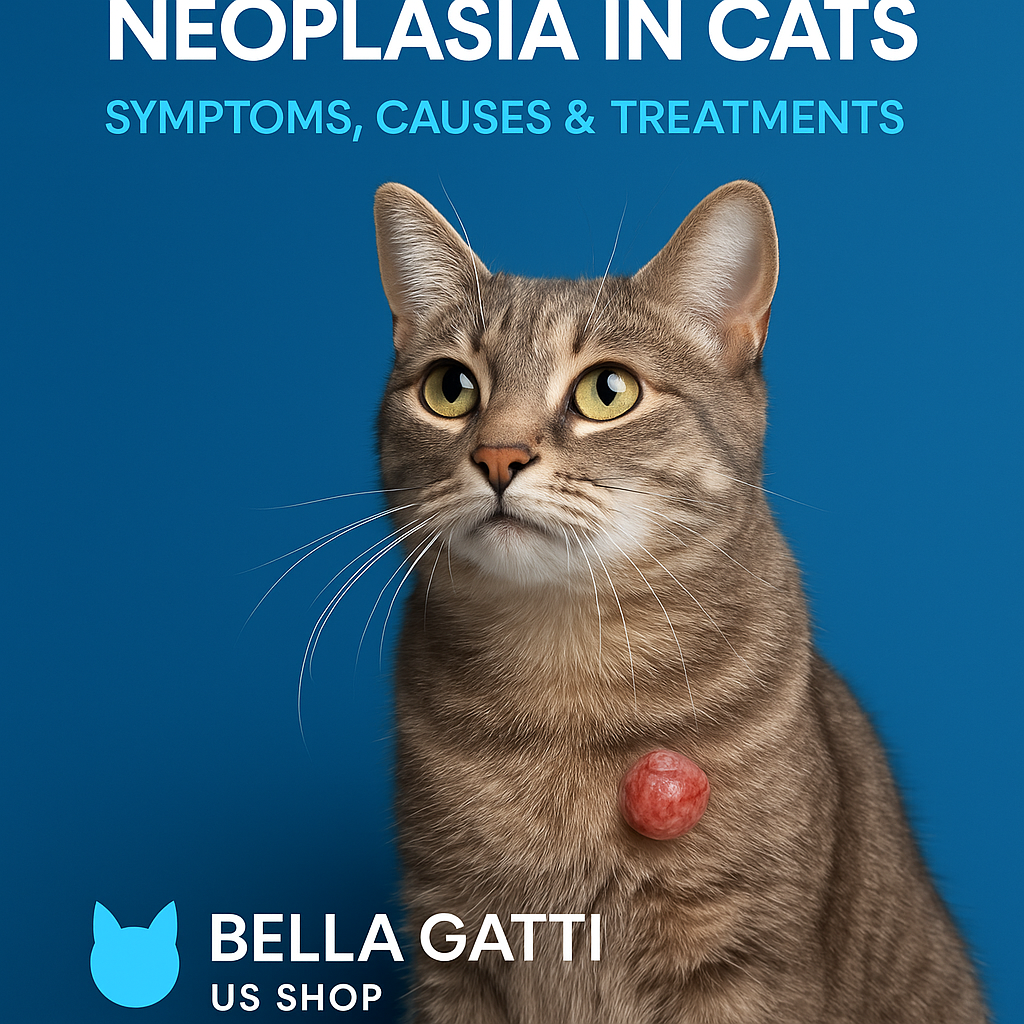
Building on the physical assessment of your cat’s body condition, perform a thorough nose-to-tail examination by massaging the skin to detect new lumps, bumps, or lesions. Early detection is a vital veterinary priority; while many growths are harmless cysts or lipomas, identifying suspicious changes early significantly improves the prognosis for malignant conditions. Focus specifically on the belly, groin, and armpits, where thinner skin makes deep-seated abnormalities easier to feel. Take note of any “scabbing” or localized heat, which may indicate a parasitic reaction or a brewing infection beneath the surface.
Assessing Coat Condition and Grooming Needs
While feeling for skin irregularities, pay close attention to the quality of the fur, as a lustrous coat reflects optimal internal health. Greasy, matted fur or persistent dandruff often indicates systemic issues or grooming difficulties caused by hidden dental pain or mobility issues like arthritis. Incorporating a dedicated brushing session into your weekly check-up allows you to part the hair and inspect for “flea dirt” or redness. If you notice localized bald patches or a sudden change in texture, it may signal a nutritional deficiency or a thyroid imbalance that warrants a professional diagnostic panel.
Vital Signs: Cat Pulse Monitoring and Temperature
Beyond external observations, mastering feline vitals provides critical baseline data for emergency situations. To check your cat’s pulse, place your hand over the left side of the chest just behind the elbow; a resting heart rate typically ranges from 150 to 190 beats per minute. Additionally, monitoring respiration, looking for 15 to 30 breaths per minute, can help you identify early signs of cardiac or respiratory distress. If your cat feels unusually warm or displays sudden lethargy, using a digital thermometer to confirm a temperature between 100.5 and 102.5 degrees Fahrenheit will help you determine if an urgent veterinary visit is necessary.
Checking Gums and Oral Health
Finalize your comprehensive home check by gently lifting the lips to inspect the mouth, which serves as a window into your cat’s vascular health. Healthy gums should be moist and pale pink; press your finger against the tissue and release, the color should return within two seconds, indicating good capillary refill time. Check for bright red inflammation along the gum line or heavy brown tartar buildup on the molars. Since cats are masters at masking discomfort, monitoring for subtle signs like “chattering” the jaw, excessive drooling, or a preference for wet food over kibble is essential for catching periodontal disease before it impacts their vital organs.
Checking for Lumps, Bumps, and Skin Lesions
Once you have finished examining your cat’s mouth, move your hands across their entire body in a slow, methodical massage. This tactile inspection allows you to detect new subcutaneous lumps, surface lesions, or areas of localized heat that might indicate an underlying infection. Pay close attention to the armpits and groin area, as these are common spots for lymph node swelling or skin irritation. While parting the fur, look for “flea dirt”, tiny black specks that turn red when dampened, or thinning patches of hair. Early discovery of these abnormalities is crucial, as small growths are significantly easier to treat than advanced masses, and managing parasites quickly prevents a full-blown infestation in your living space.
Examining Eyes for Clarity and Signs of Illness
Finally, bring your focus to your cat’s face to evaluate their ocular health, which can provide immediate clues about their neurological and vascular status. Healthy eyes should be clear and bright, with the white “sclera” portion showing no signs of jaundice or heavy redness. Watch for any persistent squinting or the appearance of the “third eyelid” in the inner corner, which is a common physiological response to systemic stress or dehydration. Observe the pupils in a well-lit room to ensure they are equal in size and reactive to light. If one pupil remains dilated while the other constricts, or if you notice a sudden cloudiness within the lens, it warrants an urgent veterinary visit to rule out feline hypertension or uveitis.
Visual Examination of Gums and Oral Health
While observing the eyes provides insight into systemic hydration, moving your focus to the mouth offers a direct window into your cat’s cardiovascular and dental health. Healthy feline gums should be moist, slippery to the touch, and a vibrant bubblegum pink. During your weekly check, gently lift the lips to inspect for “brick red” inflammation along the gum line or significant tartar buildup on the molars, as chronic oral bacteria can eventually enter the bloodstream and impact the heart and kidneys. If the gums appear pale, stark white, or tinged with blue, or if you notice a sudden putrid odor, contact MarketPlace Veterinary Hospital immediately, as these are clinical signs of oxygen deprivation or acute shock.
Cat Health Assessment Checklist
To ensure your observations are objective and easy to share with your veterinarian, it is helpful to standardize your findings. The following checklist serves as a baseline for your weekly nose-to-tail documentation, allowing you to spot subtle deviations before they become symptomatic. Consistency is key; performing these checks at the same time each week helps you distinguish between a temporary “off day” and a developing medical trend.
| Assessment Area | Optimal Baseline | Clinical Warning Signs |
|---|---|---|
| Hydration & Gums | Pink, moist, 1-second capillary refill | Tacky texture, purple or grey hue |
| Ocular Clarity | Bright, symmetrical pupils | Discharge, squinting, third eyelid visible |
| Integumentary | Supple skin, no flakes or debris | Bumps, “flea dirt” (black specks), hot spots |
For owners looking to deepen their home care, consider learning how to take a resting respiratory rate while your cat is asleep. While these home metrics are invaluable for early detection, they are intended to supplement, not replace, the diagnostic tools and bloodwork panels provided during professional physical examinations.
Advanced Skin Monitoring and Parasite Detection
Building on the basic coat check, a deeper manual palpation of the skin can reveal issues that are hidden beneath the fur. Use your fingertips to feel for small, pea-sized lumps or irregularities that may not be visible to the naked eye. This is particularly important for older cats, where early detection of cutaneous masses is vital. During seasons of high activity, use a fine-toothed flea comb specifically around the neck and tail base to check for parasites. Even indoor-only cats are susceptible to hitchhiking pests that can cause secondary dermatitis or tapeworm infections.
Nail Integrity and Paw Pad Maintenance
A comprehensive grooming assessment must also include the paws, which are often overlooked until a cat begins limping. Inspect the “quick” of each nail to ensure it isn’t overgrown or curling back toward the paw pad, a common issue in senior cats who no longer use scratching posts effectively. Check the crevices between the toes for foreign objects like dried litter or grass seeds, which can lead to painful abscesses. By maintaining this level of detail in your weekly routine, you ensure your cat remains mobile, pain-free, and protected against preventable infections.
Vital Signs and Feline Hydration Levels
Beyond physical mobility, internal metrics offer the most objective view of your cat’s current health status. Start by establishing a baseline for their resting heart rate, typically between 150 and 200 beats per minute, by gently feeling the femoral artery on the inside of the hind leg. Simultaneously, observe the chest to confirm a relaxed respiratory rate of 15 to 30 breaths per minute. To assess hydration, perform a “skin tent” test by gently lifting the skin between the shoulder blades; it should snap back instantly. If the skin remains peaked or returns slowly, it often indicates a lack of fluids or underlying kidney stress that requires professional attention.
Monitoring Appetite and Litter Box Behavior
Once you have confirmed their vitals are stable, turn your attention to their metabolic outputs and daily habits. A cat’s enthusiasm for meals is a primary barometer of well-being, but “polyphagia”, an sudden, insatiable hunger, can be just as telling as a loss of appetite, sometimes pointing toward hyperthyroidism. Similarly, the litter box serves as a diagnostic window. Beyond simple consistency, take note of the volume of clumps; a significant increase in urination can be an early warning sign of feline lower urinary tract disease (FLUTD). Catching these behavioral shifts during your weekly check prevents minor imbalances from developing into acute metabolic crises.
Common Questions About Your Feline Wellness Routine
When establishing this routine, many owners wonder how to distinguish between normal aging and clinical symptoms. Beyond the physical checks, keep a log of “invisible” metrics such as litter box frequency and water consumption. A sudden increase in thirst, combined with weight loss despite a healthy appetite, often points toward endocrine disorders like hyperthyroidism or diabetes. If your tactile exam reveals any persistent sensitivity, such as flinching when you touch the lower back, or if you notice a change in how high they are willing to jump, document these behavioral shifts. Timely intervention based on these home observations is the most effective way to manage chronic conditions before they reach a crisis point.