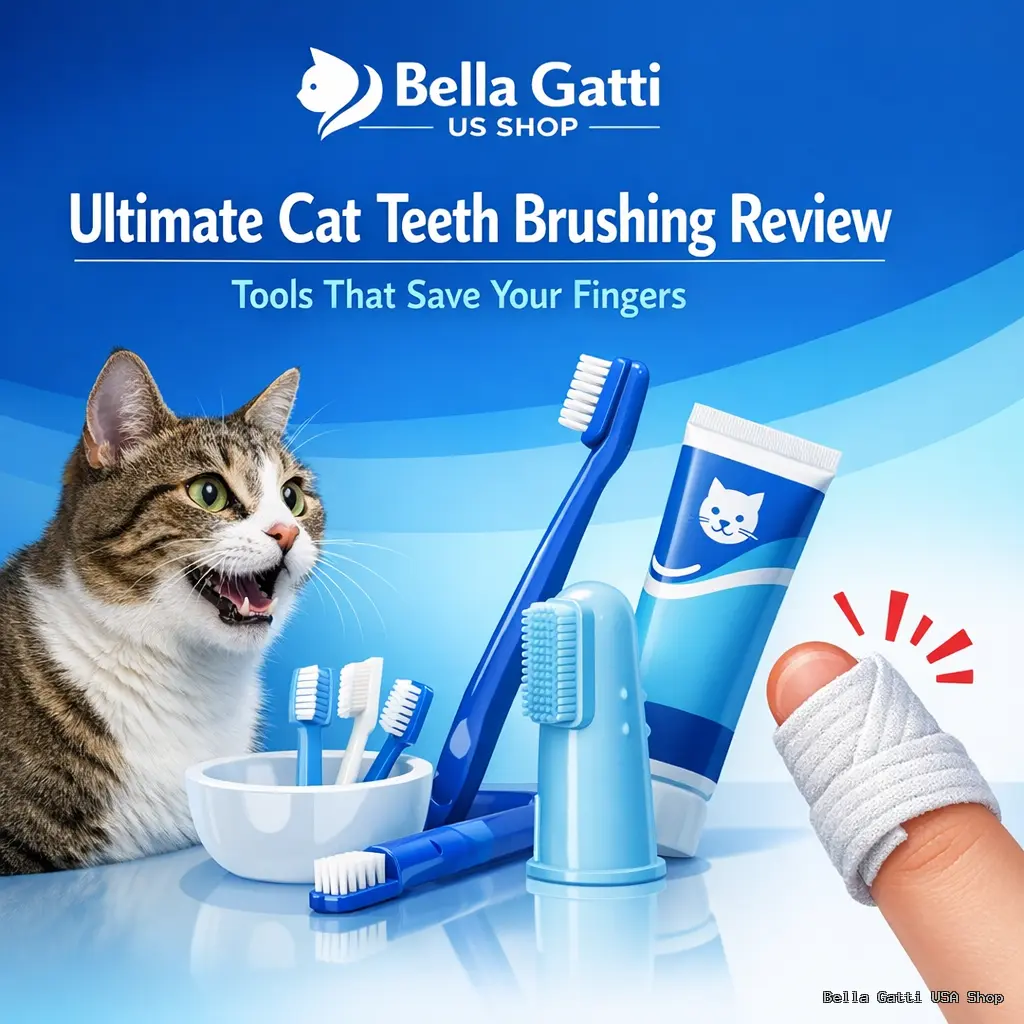
Ultimate Cat Teeth Brushing Review: Tools That Save Your Fingers
Summary
- Dental Health is Critical: Nearly 70% of cats develop dental disease (gingivitis/gum disease) by age three. Untreated plaque leads to Periodontal Disease, which is linked to severe systemic infections affecting the heart and kidneys.
- Tool Showdown: The Long-Handle Toothbrush is the most effective tool for deep cleaning (5/5 effectiveness, 5/5 human safety), but the Dental Wipe/Gauze Pad is the best starter tool for training due to superior cat compliance (5/5 tolerance).
- Safety & Technique: Use only veterinary-approved enzymatic toothpaste; human toothpaste is toxic due to Fluoride and Xylitol. Focus on gentle, circular motions on the outer surfaces of the back molars daily or at least twice weekly.
- Professional Intervention: Home care is maintenance. Severe symptoms like persistent bad breath (halitosis), swollen/bleeding gums, or difficulty eating require immediate veterinary consultation and likely a Professional Dental Prophylaxis (deep cleaning under anesthesia).
Table of Contents
Welcome, valiant warrior, to the front lines of the Feline Dental War. This is the battle waged daily in kitchens across the country, a conflict fought with soft bristles, enzymatic pastes, and the chilling realization that your beloved feline might actually be capable of biting your entire hand off.
You know the struggle. You want to provide excellent Cat dental care, but your cat views the Cat toothbrush as a personal offense worthy of immediate retaliation. We are here to help you navigate the treacherous waters of Cat teeth cleaning and find the Best cat toothbrushes that minimize bloodshed.
We are reviewing the three most common Cat dental tools available on Amazon and beyond, focusing not just on clinical performance, but also on how to choose a cat toothbrush that fits your pet’s needs. We’ll rate these products based on the true criteria that matters, including how likely they are to send you to the emergency room.
Why We Fight: The Critical Importance of Feline Dental Health
This isn’t just about fresh breath. The importance of dental hygiene for cats is paramount, as maintaining feline dental health is crucial for overall feline wellness and brings significant health benefits of cat dental care. Statistics from organizations like PetMD show that dental problems, such as cat gingivitis and severe gum disease, affect nearly 70% of cats by age three. Regular dental care can prevent these issues, contributing to healthier lives and enhanced quality of life for our furry companions.
Ignoring plaque buildup and subsequent tartar formation is dangerous. If left untreated, Periodontal Disease can lead to painful tooth resorption and, critically, dangerous Systemic Disease Linkage, impacting vital organs like the heart and kidneys.
A consistent regular dental routine for cats protects your pet’s long-term health and can help you save on veterinary bills associated with complex surgical cleanings and extractions.
Recognizing the Enemy: Signs of Dental Disease in Cats
The first step in winning the war is recognizing when your cat is suffering. Many owners ignore the early signs of poor Cat oral health.
The most common indicator of trouble is severe Bad breath in cats, or Halitosis. This foul odor is caused by bacterial waste products associated with Calculus Accumulation.
Other key signs to watch for include yellow or brown discoloration on the teeth, swollen gums, or bleeding gums when your cat chews. If your cat shows difficulty eating, drooling, or pawing at their mouth, it’s time for immediate professional dental support from a Pet Dentist or Veterinary Panel.
Preparing for Battle: Our Ultimate At-Home Dental Care Regimen Review
While annual Professional Dental Prophylaxis (deep cleaning) is vital, consistent at-home dental care regimen is what truly keeps the peace. We evaluated three popular methods used to brush cat teeth, focusing on the techniques recommended by experts for creating a calm environment and ensuring success.
We rate each tool across three categories that truly matter to the human handler, especially considering the common challenges when brushing your cat’s teeth, such as resistance to the process, anxiety, and finding the right toothpaste that appeals to your feline friend.
- Cat Compliance: How likely is your cat to tolerate this tool without immediately fleeing or retaliating?
- Human Safety: What is the risk of accidental biting or injury to the person holding the brush?
- Actual Effectiveness: How well does this tool tackle plaque buildup and promote Feline Dental Hygiene?
Let the review commence. May your sleeves be long and your bravery be rewarded!
Expert Insight
“While daily brushing is the gold standard for at-home plaque control, professional dental prophylaxis under anesthesia remains vital for deep cleaning beneath the gumline, especially since up to 90% of cats will develop dental disease by age four.”, Veterinary Dental Specialist
Why We Must Fight: The Stakes of the Feline Dental War
Okay, so why do we put ourselves through the trauma of wrestling a tiny carnivore twice a week? Because the stakes are terrifyingly high. This battle for Feline Dental Health is non-negotiable for overall Feline Wellness.
Neglecting this crucial Home Dental Routine means signing up for massive future veterinary bills, and more importantly, risking your cat’s long-term health. Think of your Cat Toothbrush as a shield against chaos.
The Silent Killer: Dental Disease in Cats
The experts on our Veterinary Panel agree, the statistics are grim, yet undeniable. Dental Disease in Cats, including Cat Gingivitis and Cat Gum Disease, affects nearly 70 percent of cats by the tender age of three. That is a staggering number, highlighting the need for a Regular Dental Routine.
This is not just about smelly kisses. Plaque Buildup rapidly progresses to hard Tartar Formation, which is far more serious than cosmetic yellowing. Untreated Periodontal Disease creates a direct highway for bacteria to enter the bloodstream.
This is the serious part, there is a proven Systemic Disease Linkage. The bacteria circulating from the mouth primarily target the Heart and Kidneys, causing severe Systemic Infections. Maintaining excellent Cat Oral Health is truly essential if you want to Save on Veterinary Bills and ensure a long life for your companion.
Warning Signs You Are Losing the Battle
How do you know if your warrior is already suffering? The first, most obvious sign is Bad Breath in Cats, or severe Cat Halitosis. If your cat’s breath could strip paint, you have a problem that requires immediate attention.
Other signs of active Gingival Inflammation or Calculus Accumulation include:
- Red, Swollen Gums or Bleeding Gums, especially near the tooth line.
- Yellow or brown discoloration on the teeth.
- Difficulty eating, dropping food, or reluctance to chew.
- Excessive drooling or pawing at the mouth.
- Signs of Tooth Resorption (though this requires a professional diagnosis).
If you see these indicators, it’s time to intensify your At-Home Dental Care Regimen or schedule a visit with a local Pet Dentist. You need to win this war, even if it requires a Professional Dental Prophylaxis.
Mastering the Brushing Technique and Routine
Whether you are using a specialized Cat Toothbrush found easily on Amazon or just a basic cotton swab, consistency is the key to effective Cat Dental Care. Daily brushing is ideal for optimal Feline Dental Hygiene, but even brushing twice weekly offers significant benefits.
When you Brush Cat Teeth, the process is simple, create a calm environment, introduce the taste of the paste first, and use circular motions. Focus primarily on the outside surfaces of the teeth, paying extra attention to the back molars where Plaque Buildup is most rapid.
We know most cats hate the standard poultry-flavored enzymatic paste. For reluctant felines, resources like PetMD often suggest using Non-Toxic Feline Toothpaste Alternatives such as a tiny amount of tuna juice or chicken broth smeared onto the brush. Crucially, NEVER use human toothpaste, the Fluoride and Xylitol Toxicity in Felines is a serious, even fatal, risk.
Now that we understand the gravity of the situation, let’s review the actual weapons available for the fight. It’s time to pit the top three Cat Dental Tools against each other in the ultimate showdown.
The Ultimate Tool Review: Cat Dental Tool Showdown to Save Your Fingers
The success of your Home Dental Routine hinges entirely on the hardware you choose. To help you win the Feline Dental War, we pitted three popular Cat dental tools against the crucial benchmarks of survival. Remember, establishing a Regular dental routine is non-negotiable for Feline wellness, but it shouldn’t cost you a digit.
We rated each tool on a scale of 1 (Worst) to 5 (Best) across three categories, Cat Compliance (how much they tolerate it), Human Safety (your risk of injury), and Actual Effectiveness (how well it fights Plaque buildup and prevents Dental disease in cats).
Contender 1: The Silicone Finger Brush (The High-Risk, High-Reward Option)
The silicone finger brush is often recommended as the gateway tool to Feline Dental Hygiene. It slips over your index finger like a tiny, bristled thimble, giving you unparalleled tactile connection.
Proponents love the superior control, allowing you to gently massage the gums and feel for early signs of Gingival Inflammation or Tartar formation. This tactile connection can make the process feel less aggressive for nervous cats.
The downside? It puts your most vulnerable digit directly into the line of fire. If your cat decides the session is over, your finger is the sacrifice. While compliance starts high, safety ends low.
- Cat Compliance: 4/5 (Feels like petting, initially)
- Human Safety: 1/5 (Zero buffer zone)
- Actual Effectiveness: 3/5 (Good for surface cleaning, less effective on back molars)
Contender 2: The Long-Handle Cat Toothbrush (The Safe Distance Warrior)
This is the classic Cat toothbrush, often featuring a small head, soft bristles, and an angled neck designed to reach the dreaded back molars. Many popular Cat dental products, like those found in the Sentry Petrodex Dental Kit, utilize this essential design.
The long handle is your best friend for Human Safety, distance. You maintain a crucial buffer zone between your hand and your cat’s teeth, minimizing the risk of a deep puncture wound and making Brush cat teeth sessions far less stressful for you.
However, the lack of direct control means that many cats find the rigid handle more intrusive and difficult to tolerate. It can be hard to maneuver effectively, particularly if you are trying to use the recommended circular motions for maximum Cat teeth cleaning efficacy.
- Cat Compliance: 2/5 (Less natural feel, higher resistance)
- Human Safety: 5/5 (Maximum protection)
- Actual Effectiveness: 5/5 (Best for deep cleaning and fighting Calculus Accumulation)
Contender 3: The Dental Wipe or Gauze Pad (The Starter Kit)
For truly reluctant felines, the dental wipe or a simple piece of clean gauze wrapped around your finger is the easiest entry point into your At-Home Dental Care Regimen. This method is praised by many experts for its simplicity and superior compliance rate.
The texture of the wipe helps physically remove surface Plaque buildup without the aggressive feel of bristles. This is a fantastic step for introducing taste, such as Non-Toxic Feline Toothpaste Alternatives (Tuna Juice, Chicken Broth), and getting your cat accustomed to having their mouth touched.
While compliance is high, the Actual Effectiveness in truly fighting Periodontal Disease is low compared to using a proper Cat toothbrush and Enzymatic Dentifrice. Think of this as essential maintenance or the perfect training tool.
- Cat Compliance: 5/5 (Feels non-threatening)
- Human Safety: 3/5 (Finger is still exposed, but less abrasive)
- Actual Effectiveness: 2/5 (Surface plaque only)
Recognizing the Enemy: Why Your Home Dental Routine Matters
Before you even pick up your Best cat toothbrushes, you need to understand the stakes. Studies consistently show that Dental disease in cats, such as Cat gingivitis and Cat gum disease, affects nearly 70% of cats by age three. Neglecting this leads to far worse issues, linking advanced Periodontal Disease to severe systemic problems affecting the heart and kidneys (Systemic Disease Linkage).
Maintaining Cat oral health through a consistent Regular dental routine is crucial for overall Feline wellness. Starting your At-Home Dental Care Regimen now can help you Save on veterinary bills later, preventing the need for costly extractions.
The Telltale Signs of Feline Dental Distress
If you see any of the following symptoms, your cat needs more than just a routine cleaning, they may need a visit to the Pet Dentist for Professional Dental Prophylaxis:
- Halitosis (Bad Breath): The most common, unmistakable sign. If their breath smells like a swamp, Plaque buildup is likely severe.
- Swollen Gums or Bleeding Gums: Indicates severe Gingival Inflammation.
- Difficulty Eating: Cats may drop food or show reluctance to chew due to pain from Tooth Resorption or advanced disease.
- Pawing at Mouth: A clear sign of discomfort demanding immediate attention.
The Proper Brushing Technique for Ultimate Cat Compliance
Regardless of which Cat dental tools you choose, technique is everything. Start by ensuring a calm environment, perhaps wrapping your cat in a cozy blanket. Introduce the taste of the Enzymatic Dentifrice or Non-Toxic Feline Toothpaste Alternatives first, letting them lick it off the brush.
When you begin to Brush cat teeth, focus only on the outside surfaces of the teeth, the side facing the cheek, as this is where most Tartar formation occurs. Use small, gentle circular motions, paying extra attention to the upper back molars. Reward immediately afterward. Daily brushing is the gold standard for fighting Bad breath in cats, but even twice weekly offers significant protection against Cat gingivitis.
Expert Insight
“Dental disease is a full-body problem, silently impacting vital organs like the heart and kidneys. The greatest challenge is that pets often mask significant oral pain, making consistent professional care and home hygiene essential for long-term wellness.”, Veterinary Health Expert
The Hardware Showdown: Ranking the Best Cat Toothbrushes and Dental Tools
The success of your Home Dental Routine hinges entirely on the hardware you choose. To help you win the Feline Dental War, we pitted three popular Cat dental tools against the crucial benchmarks of survival.
Remember, establishing a Regular dental routine is non-negotiable for Feline wellness, but it shouldn’t cost you a digit. We rate the three primary tools and alternatives based on our core criteria. Scores are 1 (Terrible) to 5 (Excellent).
| Tool/Method |
Cat Compliance (Tolerance) |
Human Safety (Bite Risk) |
Actual Effectiveness |
Overall Verdict |
| Silicone Finger Brush |
4 |
1 |
4 |
High risk, high reward. Use with caution. |
| Long-Handle Toothbrush |
2 |
5 |
5 |
Best for deep cleaning, requires patience. |
| Dental Wipe/Gauze Pad |
5 |
3 |
2 |
Ideal starter tool for training and daily maintenance. |
Why Feline Dental Health is Non-Negotiable
You might dread the process, but ignoring Cat dental hygiene is far more dangerous than the occasional bite. Studies show that dental problems such as Cat gingivitis and gum disease affect nearly 70% of cats by the age of three.
Neglecting this crucial part of Feline dental health can lead to serious systemic infections. The bacteria from severe Plaque buildup and Tartar formation don’t stay in the mouth, they can travel, leading to serious health issues impacting the heart and kidneys. Maintaining oral health is crucial for overall Feline wellness and can ultimately Save on veterinary bills down the line.
Recognizing the Enemy: Signs of Dental Disease in Cats
Before you even grab a Cat toothbrush, you need to know what you are fighting. The most common sign of trouble is bad breath in cats, often called halitosis, which can indicate various common oral health problems in cats, such as periodontal disease or tooth decay. If your cat’s breath could strip paint, you likely have a problem that requires attention.
Other key indicators of Dental disease in cats include yellow or brown tooth discoloration, Swollen gums, Bleeding gums, difficulty eating, pawing at the mouth, and drooling. Recognizing these signs helps you determine the urgency of establishing a consistent At-Home Dental Care Regimen.
The Tools of the Trade: Detailed Reviews
1. The Silicone Finger Brush
This tool offers the most intimate contact, allowing you to effectively target the back molars where Calculus Accumulation is most severe. This direct, manual control provides excellent Actual Effectiveness (4/5).
However, the Finger Brush is a high-stakes gamble. Because your finger is directly inside the cat’s mouth, the Human Safety score is a terrifying 1/5. If your cat suddenly decides the session is over, your digit is the target. This tool is best reserved for cats that are already highly compliant with the Home dental routine.
2. The Long-Handle Toothbrush
This is the gold standard for deep Cat teeth cleaning, earning a perfect 5/5 for Actual Effectiveness. The small, soft bristles, often similar to a child’s toothbrush, allow you to reach deep into the mouth while maintaining a safe distance from those razor-sharp fangs (Human Safety 5/5).
The drawback? Cat Compliance is low (2/5). The length of the brush can feel invasive, demanding immense patience and slow acclimation. To ensure you Brush cat teeth correctly, use gentle, circular motions, focusing on the outside surfaces of the teeth where Plaque buildup is most prevalent. Daily brushing is ideal, but even twice weekly offers significant benefits against Periodontal Disease.
3. The Dental Wipe or Gauze Pad
For the owner who values peace over perfection, the Dental Wipe is your introductory tool. It scores a perfect 5/5 for Cat Compliance because the wiping motion is much less threatening than a hard brush.
While the wipe’s abrasive action is minimal (Effectiveness 2/5), it is an ideal starter tool for training and introducing flavor. You can use these wipes with specialized products like Enzymatic Dentifrice, or try Non-Toxic Feline Toothpaste Alternatives, such as dampening the wipe with tuna juice or chicken broth to make the experience appealing. This method is critical for easing your cat into accepting the At-Home Dental Care Regimen.
Beyond the Brush: Professional and Home Support
While your dedication to the Home dental routine is commendable, it cannot replace Professional Dental Prophylaxis. Veterinarians and the Pet Dentist recommend annual check-ups to assess Gingival Inflammation and deal with Tartar formation below the gum line.
If you suspect severe issues like Tooth resorption or chronic Cat gum disease, veterinary intervention is necessary. Always use veterinarian-approved Cat dental products and remember that human toothpastes containing Fluoride and Xylitol are highly toxic to felines.
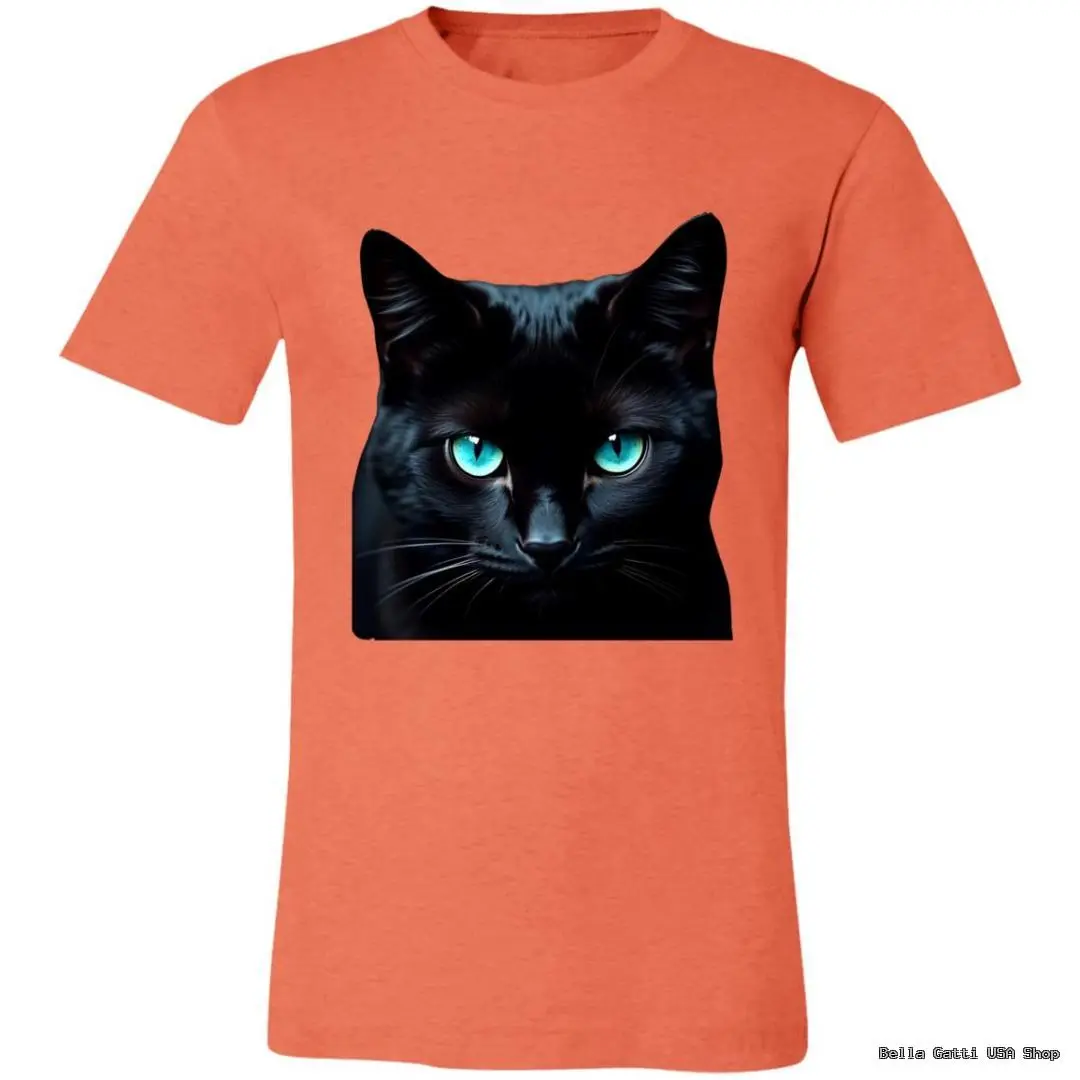
Whether you are battling a Long-Handle Toothbrush or risking your Finger Brush, the stress of the Feline Dental War is real. When the conflict is over, you deserve to relax in comfort. Head over to Bella Gatti US Shop to find a comfortable, Unisex Soft Cotton Tee that perfectly captures the chaos of Cat dental care.
Beyond the Brush: Mastering the Feline Dental Health Routine
Choosing the right Cat dental tools is only half the battle in the Feline Dental War. The success of your At-Home Dental Care Regimen hinges entirely on consistency, effective cat teeth brushing techniques, and the products you choose. Mastering the technique of gentle brushing while ensuring your cat is comfortable can make a significant difference in maintaining their dental health.
You might think brushing is overkill, but ignoring your cat’s teeth is a serious gamble. Statistics show that nearly 70% of cats develop dental problems, such as Cat gingivitis or gum disease, by the age of three.
Maintaining Cat oral health isn’t just about avoiding Bad breath in cats (Cat halitosis), neglecting Plaque buildup and Tartar formation leads to Periodontal Disease. This can cause Systemic infections, linking directly to serious issues in the heart and kidneys. This is why a consistent Home dental routine is non-negotiable for overall Feline wellness.
Is It Too Late? Recognizing Dental Disease in Cats
Before you even pick up a Cat toothbrush, you need to know what signs of trouble to look for. Recognizing Dental disease in cats early is key to ensuring successful Cat teeth cleaning and preventing Tooth resorption.
Common red flags include severe Cat halitosis, difficulty eating, drooling, or pawing at the mouth. Look closely for Swollen gums, Bleeding gums, or yellow/brown discoloration caused by Calculus Accumulation.
If you see these severe signs, skip the DIY and schedule a Professional Dental Prophylaxis immediately. Early veterinary intervention is the best way to Save on veterinary bills later.
Flavor is Key: Selecting the Right Enzymatic Paste
Critical warning, You absolutely cannot use human toothpaste on cats. This is a crucial safety alert. Most human pastes contain ingredients that lead to Fluoride and Xylitol Toxicity in Felines, which is extremely dangerous if swallowed.
Always opt for a veterinary-approved Enzymatic Dentifrice. These specialized pastes, often featuring mild poultry or malt flavors, start breaking down Plaque buildup upon contact, even if your brushing technique is minimal. This is essential Cat dental care.
If your cat rejects store-bought paste, start with Non-Toxic Feline Toothpaste Alternatives. Dip a cotton swab or gauze pad into a tiny bit of tuna juice or low-sodium chicken broth. This positive association is crucial for initial training and establishing a Regular dental routine.
The goal is to make the experience brief, positive, and routine. If you can only manage 15 seconds, focus those 15 seconds on the large back teeth, where most Tartar formation accumulates.
Technique Triumphs: The PetMD-Approved Brushing Method
Per PetMD and Veterinary Panel recommendations, following a Step-by-Step Guide to Brushing Cat Teeth ensures maximum cleaning with minimum trauma, making it essential to adhere to some key tips for brushing cat teeth. Daily brushing is the gold standard for cat teeth cleaning, but even brushing twice weekly offers significant benefits for feline dental health. Start by consulting the step-by-step guide, beginning with a soft-bristled toothbrush and special cat toothpaste, and gradually introduce your cat to the process to make it a positive experience.
Remember, the battle is won through patience, not brute force. Follow these steps for successful Cat dental hygiene:
-
Create a Calm Environment: Choose a quiet time when your cat is relaxed, perhaps when they are already sitting on your lap. Keep the mood light and casual.
-
Introduce Taste: Let them lick the Enzymatic Dentifrice (or tuna juice alternative) off the Cat toothbrush or your finger first. This builds positive association.
-
Lift the Lip: Gently lift your cat’s upper lip to expose the outer surfaces of the teeth. You only need to brush the outside surface, as their tongues naturally clean the inside.
-
Circular Motions: Use small, gentle circular motions, focusing especially on the large canine teeth and the back molars, where Plaque buildup is highest.
-
Reward Immediately: Finish with a favorite treat, play session, or cuddle. This reinforces the positive link between brushing and happiness, ensuring future cooperation in your Regular dental routine.
When the General Surrender is Necessary: Calling the Pet Dentist
Your valiant At-Home Dental Care Regimen is the first line of defense against the dreaded Plaque buildup and early Gingival Inflammation. Brushing every day is crucial for Feline dental health, but let’s be real, sometimes you need to call in the heavy artillery.
Ignoring your cat’s teeth is a serious gamble. Remember those terrifying statistics? Nearly 70% of cats develop dental problems, such as Cat gingivitis or gum disease, by the age of three. Once that soft Plaque buildup turns into rock-hard Calculus Accumulation below the gum line, your Cat toothbrush is useless.
Reading the Warning Signs of Feline Dental Disease
How do you know if you’ve officially lost the Feline Dental War? Your cat will usually give you subtle, yet pungent, clues. Keep an eye out for these red flags, which signal that a visit to the Pet Dentist is overdue:
- Severe Bad breath in cats (or chronic Halitosis) that could knock a bird off a wire.
- Swollen gums or bleeding gums when you attempt the Home dental routine.
- Difficulty eating, drooling, or pawing at their mouth.
- Yellow or brown discoloration on the teeth near the gum line, indicating heavy Tartar formation.
- Advanced issues like Tooth Resorption, which requires immediate veterinary intervention.
The Big Guns: Professional Dental Prophylaxis
When the symptoms are severe, the vet will recommend Professional Dental Prophylaxis. This is a thorough Cat teeth cleaning performed under anesthesia, allowing the Pet Dentist to scale away that deep Calculus Accumulation and assess the full extent of the damage.
This deep cleaning prevents severe Periodontal Disease. This isn’t just about sparkling whites, unchecked dental issues lead to Systemic infections. Research shows a clear Systemic Disease Linkage, the bacteria from severe gum disease can travel through the bloodstream, potentially impacting the heart and kidneys.
Prioritizing this professional Cat dental care is essential for overall Feline wellness, and incidentally, can help Save on veterinary bills down the road by preventing major illness.
Annual check-ups are key to maintaining a Regular dental routine and catching problems early. If your feline warrior has a Breed Predisposition to Dental Pathology, you need extra vigilance. Discuss specialized Cat dental products and advanced care options with your veterinarian immediately.
For most owners, the goal is preventative care. If you can master the daily routine, you delay that expensive trip to the Pet Dentist.
We know the struggle is real, so let’s get back to the practical application, which tool makes the Feline Dental Hygiene routine least likely to end in bloodshed?
Frequently Asked Questions: Surviving the Dental Skirmish
Why is Regular Cat Dental Hygiene Such a Big Deal?
You might think brushing is just about preventing Cat halitosis, but the stakes are much higher. Ignoring your cat’s teeth is a serious gamble against their overall Feline wellness.
Studies consistently show that nearly 70% of cats develop dental problems, such as Cat gingivitis and gum disease, by the time they are three years old. If left untreated, Plaque buildup hardens into Calculus Accumulation, leading to Periodontal Disease.
The real danger? Chronic Cat gum disease allows bacteria to enter the bloodstream, causing Systemic infections that can damage vital organs like the heart and kidneys. Maintaining a rigorous Cat oral health routine is the best way to Save on veterinary bills down the line.
What Are the Key Signs That My At-Home Dental Care Regimen is Failing?
Recognizing the red flags is crucial for preventing the advancement of Dental disease in cats. The most obvious sign is severe Bad breath in cats, often smelling metallic or rotten, far beyond the typical tuna-breath.
You should also look for physical signs like Swollen gums, especially if they are bright red or Bleeding gums when touched. If your cat is drooling excessively, pawing at their mouth, showing difficulty eating, or losing weight, they are likely experiencing pain from advanced issues like Tooth resorption or severe Tartar formation.
If you see these signs, your valiant efforts must pause, and you need to schedule a Professional Dental Prophylaxis immediately to address the damage below the gum line.
What is the Proper Technique for Brushing Cat Teeth and How Often Should I Do It?
The goal of your Home dental routine is consistency, not perfection. Veterinarians recommend daily brushing, but if your cat is truly resistant, aiming for at least twice weekly still offers significant benefits for Cat dental care.
Use a soft Cat toothbrush or a silicone finger brush and only use a non-foaming, non-toxic Enzymatic Dentifrice formulated specifically for felines. Never use human toothpaste due to the dangers of Fluoride and Xylitol Toxicity in Felines.
Focus your efforts on the outside surfaces of the upper teeth, particularly the back molars where Plaque buildup is most aggressive. Use gentle, circular motions for about 30 seconds per side, and always end the session with a high-value reward to reinforce positive behavior.
My Cat Hates Toothpaste. Are There Any Non-Toxic Feline Toothpaste Alternatives?
Yes, the flavor of the paste is often the biggest hurdle in the Feline Dental War. For cats resistant to commercial pastes, many owners find success using Non-Toxic Feline Toothpaste Alternatives. You can mix a bit of low-sodium Chicken Broth or Tuna Juice with water and apply it to the brush or dental wipe.
When selecting Cat dental products, remember that not all tools are equal. While the Cat toothbrush is the gold standard for Cat teeth cleaning, Dental wipes are excellent for quick daily maintenance, especially for the front teeth.
For passive support, ask your Veterinary Panel about water additives like Oratene. While these are not substitutes for brushing, they can help reduce bacteria and support the overall Feline Dental Hygiene plan.
The Feline Dental War: Practical Guide to the At-Home Dental Care Regimen
You’ve seen the statistics, that nearly 70% of cats develop issues like Cat gingivitis and Cat gum disease by age three, and you understand the serious Systemic Disease Linkage (Heart and Kidneys) that makes Cat teeth cleaning non-negotiable. Now, how do you actually survive the process and establish a consistent Cat dental hygiene routine?
How to Start the Mission: Acclimation and Non-Toxic Alternatives
The secret to a successful Home dental routine is starting small and being sneaky. You are aiming for tolerance, not enthusiasm. Forget the heavy-duty Cat toothbrush initially. Your first weapon should be gentle.
Start by introducing a non-toxic, highly palatable flavor. Competitors often recommend Non-Toxic Feline Toothpaste Alternatives like tuna juice or chicken broth. Dip a damp washcloth or a specialized Cat dental tool like a dental wipe into this liquid.
Simply rub the outer surfaces of the teeth for 10 seconds. Increase the duration slowly over several weeks. This early focus on taste and brief contact is crucial for establishing Feline Dental Hygiene without triggering a full-scale feline revolt.
Mastering the Technique: Daily Brushing is the Gold Standard
Once your cat tolerates the taste introduction, it’s time to upgrade your Cat dental tools. The gold standard for optimal Cat dental care is daily brushing, as Plaque buildup turns into hard Tartar formation within days.
However, if daily brushing is impossible, brushing two or three times per week still provides significant benefits against Dental disease in cats. Consistency in your Regular dental routine is more important than aggression.
When you introduce the Cat toothbrush (or a soft child’s toothbrush recommended by a Veterinary Panel), focus on the outer surfaces. Use small, circular motions, ensuring you reach the back molars, that’s where Calculus Accumulation loves to hide. Always use an Enzymatic Dentifrice designed specifically for cats, human toothpaste containing Fluoride and Xylitol Toxicity in Felines is strictly forbidden.
The Supplement Trap: Are Dental Treats Enough for Cat Oral Health?
This is the question every weary cat owner whispers, Can I just skip the struggle and throw a dental treat? The short answer is a resounding, “No.”
While specialized dental treats and certain kibbles can help mechanically scrape some surface Plaque buildup, they are generally insufficient to prevent serious Tartar formation and deep Cat gum disease. They are supplements, not replacements, for the physical action required to Brush cat teeth effectively at the gum line.
For true Feline dental health, physical brushing remains the most effective way to combat Periodontal Disease. Think of treats as a helpful sidekick, not the hero of your At-Home Dental Care Regimen.
Warning Signs: When to Call in the Veterinary Panel
Sometimes, the Feline Dental War requires professional intervention. Recognizing the Common Signs of Dental Disease in Cats early can literally Save on veterinary bills down the road and protect your cat’s overall Feline wellness.
If you notice persistent Halitosis (Bad Breath), the kind that clears a room, or if your cat is exhibiting difficulty eating, excessive drooling, or pawing at their mouth, seek veterinary advice immediately. Yellow or brown tooth discoloration is a clear indicator of heavy Calculus Accumulation.
Crucially, if you spot Swollen gums, persistent redness, or Bleeding gums, stop brushing that area immediately. These symptoms often indicate severe Gingival Inflammation or advanced Periodontal Disease, potentially even dangerous Tooth Resorption.
Your veterinarian will perform a full check-up. If the damage is below the gum line, Professional Dental Prophylaxis (a deep cleaning under anesthesia) is necessary to halt the progression of Dental disease in cats.
The Verdict: Crowning the Champion of Compliance
Based on our metrics, Cat Compliance, Human Safety, and Actual Effectiveness, we crown the Dental Wipe or Gauze Pad as the ‘Most Tolerable Tool’ for getting started.
While it doesn’t offer the deep cleaning power of a dedicated Cat toothbrush, the wipe provides the safest entry point for your Cat dental hygiene journey. It significantly lowers the risk of injury and is the easiest way to introduce the concept of Cat teeth cleaning into your home.
Remember, the goal is consistency in your Home dental routine. Starting with a wipe allows you to establish trust and frequency, which is paramount to long-term Feline dental health.
However, we must reiterate the stakes of this conflict. Studies show that up to 70% of cats develop Cat gingivitis or Cat gum disease by age three. Neglecting the Regular dental routine allows Plaque buildup to harden into Tartar formation, leading to serious issues.
This is not just about keeping the breath fresh, it’s about preventing the Systemic Disease Linkage (Heart and Kidneys) that results from chronic oral infection. Your dedication to brushing truly contributes to overall Feline wellness and helps you Save on veterinary bills down the line.
When to Seek Professional Reinforcement
Even the most dedicated owner must know when the battle is beyond the scope of At-Home Dental Care Regimen. If your cat is showing persistent Bad breath in cats (Halitosis), reluctance to eat, or you spot Swollen gums or Bleeding gums, it’s time to call in the professionals.
These signs can indicate advanced Periodontal Disease or even Tooth resorption. Your veterinarian or a qualified Pet Dentist can perform Professional Dental Prophylaxis to remove Calculus Accumulation below the gum line, something no Cat toothbrush can achieve.
The goal of the home routine is maintenance, using products like enzymatic pastes or even simple Non-Toxic Feline Toothpaste Alternatives (Tuna Juice, Chicken Broth) to manage daily plaque, but professional care remains essential.
Your Post-Battle Reward: Comfort is Key
We know that even a successful 10-second session of Brush cat teeth can leave you feeling drained, clawed, and desperately needing a timeout. You have earned a medal for surviving the Feline Dental War.
After wrestling a 12-pound predator into submission for the sake of its molars, slip into a super soft, comfortable Bella Gatti Unisex Soft Cotton Tee. It’s the perfect uniform for recovering warriors.
You have earned the right to relax and wear your cat obsession proudly. Browse our latest selection of witty Cat T-shirts right here on the Bella Gatti US Shop, available now on our site and via Facebook links.
Keep fighting the good fight for those pearly whites, and remember, comfort is key when you are recovering from battle.
Expert Insight
“Brushing daily or every other day has been shown to significantly reduce the buildup that leads to inflamed gums, making it the best defense against periodontal disease. While dental treats and supplements are helpful, they are not a replacement for routine brushing.”, Dr. Mallory Kanwal, Veterinary Dentistry Specialist