Taming the Tiny Tiger: Stop Kitten Biting Now
Summary
- Golden Rule: Kitten biting (the “Land Shark Phase”) is normal hunting instinct practice. Never use your hands or feet as toys, as this trains the kitten to view human skin as acceptable prey.
- Teach Inhibition: Use the Yelp and Withdrawal Technique. When your kitten bites too hard, give a sharp “Ouch!” and immediately stop all play, withdrawing attention for a short time-out.
- Master Redirection: Always keep interactive toys (like wand toys and kickers) nearby. Immediately redirect their focus onto the toy when they attempt to bite you.
- Consistency is Key: Schedule 2, 3 high-intensity, 15-minute play sessions daily to exhaust their hunting energy. Never use physical punishment (like squirt bottles); rely only on positive reinforcement.
Table of Contents
Welcome, weary traveler, to the Land Shark Phase.
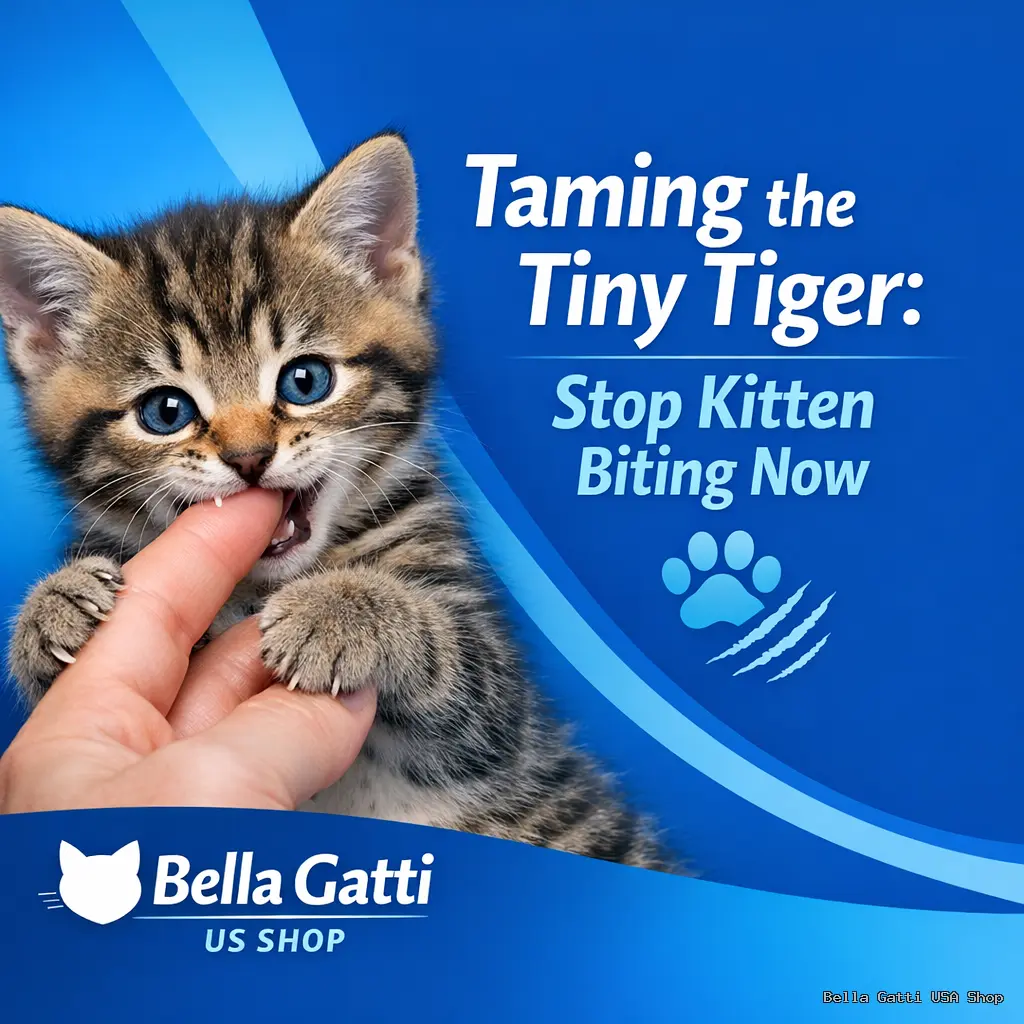
You adopted a fluffy, purring bundle of joy. Now, that bundle has transformed into a miniature feline velociraptor whose primary mission is to practice their natural hunting instincts on your extremities.
We know the pain. Those tiny, needle-like teeth, often described as razor sharp teeth, feel like a thousand tiny pins puncturing your skin during playtime. This aggressive action is known as playful biting or kitten play aggression.
But fear not, new cat parent. This common phase of kitten biting behavior is completely normal. It is a vital part of the Developmental Stage of Life for your little hunter, practicing essential Hunting Instinct Practice.
This survival guide offers the ultimate kitten training advice. We will walk you through effective strategies to curb kitten biting and reduce kitten biting overall. Our goal is to help you stop kittens biting and transition your tiny terror into a respectable, non-murdery adult cat.
Decoding the Kitten Menace: Why Kittens Bite You
If you find yourself covered in scratches and wondering, “How do I stop kittens biting,” the answer is simple, yet painful: instinct. This is entirely normal cat behavior.
Your fluffy friend is not plotting your demise; they are hardwired predators constantly practicing their natural hunting instincts.
In the eyes of a kitten, you look like a very slow, very large, and very tempting piece of moving prey. Understanding kitten biting instincts is crucial, as this behavior often stems from their playful nature and their inherent hunting instincts. By delving into these instincts, we can better appreciate the reasons behind their behavior, allowing us to navigate their whimsical world more effectively. Recognizing the biting instinct as a natural part of their exploration and play enables us to respond appropriately. The key to successfully curbing this kitten biting behavior lies in understanding the root cause of this intense developmental stage of life, knowing that their playful nibbles are not necessarily aggressive but rather an essential part of their learning process.
The Three Pillars of Kitten Biting Behavior
There are usually three main reasons why you are experiencing constant playful biting. Understanding these helps you implement effective kitten training techniques.
1. Ingrained Play Aggression and Hunting Instincts
This is the single most common culprit. Your kitten sees your wiggling fingers or moving feet as the perfect invitation to engage in high-octane Hunting Instinct Practice.
They are learning to stalk, pounce, and deliver that final, decisive grab using those infamous razor sharp teeth. This is essential, ingrained play behavior.
The problem isn’t the instinct itself, but the misdirection of this play aggression onto human skin rather than appropriate toys. We need to teach them boundaries immediately.
2. Kitten Teething Discomfort
Just like human babies, kittens go through a rigorous period of kitten teething, which plays a significant role in shaping their behavior. During this time, the effects of teething on kitten behavior often include increased chewing on various objects, heightened irritability, and a stronger tendency to seek out comforting interactions as they cope with the discomfort. Understanding the role of teething in kitten behavior can help owners better support their pets through this developmental stage.
Between three and six months old, their little mouths hurt as those tiny teeth shift. They seek relief by gnawing on anything available, which is why you might notice an increase in chewing and biting.
This is a clear sign of Kitten Teething Discomfort. If they are chewing on hard surfaces, they need redirection. Providing appropriate chew items, like a Catstages Fresh Breath Mint Stick Cat Chew Toy or a SunGrow Teething Chews Cat & Ferret Chase & Kicker Mouse Plush Toy, is crucial during this time.
3. Poor Socialization or Nursing Instincts
If a kitten was separated from its littermates or mother too early, it might not have learned bite inhibition. Littermates teach each other the difference between a gentle nibble and a painful chomp.
This is a core concept of effective Kitten Socialization Techniques. If your kitten is exhibiting soft biting or suckling, it may be related to residual Nursing Instincts (Weaning).
“Kittens who lack early socialization often struggle with understanding the appropriate pressure of a gentle nibble versus a painful bite. We are responsible for filling that socialization gap.” (Kitten Lady, animal advocate and expert.)
This is a lesson we must now teach them gently, but firmly, focusing on effective ways to reduce kitten biting, which will help ensure appropriate adult cat behavior later in life.
The Redirect Method: Actionable Steps to Stop Kitten Biting
Congratulations, you are about to enroll your tiny tiger in Kitten Training 101. When it comes to effective training techniques for kittens, particularly techniques to stop kitten biting, the most effective method is redirection, coupled with consistent boundary setting. This process not only involves understanding your kitten’s behavior but also requires patience and a commitment to Positive Reinforcement Training, ensuring that your feline friend learns appropriate play habits while minimizing their tendency to bite.
We must make the kitten understand that human hands are sacred ground and completely off-limits, but interactive toys are absolutely fair game. This method works because it taps directly into their natural hunting instincts.
Rule Number One: Avoid Using Hands as Toys
This is the golden rule, and we cannot stress it enough. Never, ever use your fingers or toes to wrestle with your kitten. Even if they are just offering a gentle nibble now, you must avoid using hands as toys.
If you encourage those tiny nips now, you are inadvertently training a painful adult cat behavior that will be difficult to manage when they weigh fifteen pounds.
You are essentially teaching them that human appendages are acceptable targets for Hunting Instinct Practice. We need to substitute those limbs with something much more appropriate.
Decoy Deployment: Use Interactive Toys Only
When engaging in guided playtime, always use a barrier between your skin and their razor sharp teeth. This is where wand toys and kicker toys become your essential tools.
They satisfy the kitten’s powerful need to chase and attack while keeping your precious hands safely distant. We recommend you provide lots of toys, especially the ones that move erratically.
A good interactive toy allows them to practice their full range of play aggression without harming you. For instance, the highly effective Frisco Bird with Feathers Teaser Wand Cat Toy with Catnip is a perfect decoy for satisfying those airborne hunting needs.
The Yelp and Withdrawal Technique
This critical technique mimics the feedback your kitten would naturally receive from a littermate or mother cat. It is core to how to stop biting effectively.
When a kitten bites its sibling too hard during play, the injured kitten will immediately let out a high-pitched yelp or squeak and withdraw. This stops the game and teaches the biter that their action caused pain, interrupting their ingrained play behavior.
How to Execute the Yelp:
1. When your kitten delivers a hard bite, let out a sharp, high-pitched “YIP!” or “OUCH!” immediately. Make it sound genuine, but not aggressive.
2. Immediately withdraw your hand or foot. Stop all interaction.
3. Stand up and walk away for 30 to 60 seconds. This is a brief time-out.
This teaches them that the fun stops the moment the bite hurts. If they only give a gentle nibble, ignore it or continue playing gently. If they apply pressure, the fun ends instantly. This is a key kitten biting tip.
According to veterinary behaviorists like Dr. Bradley Krohn, consistency is essential for this method to work. Every single time the kitten bites too hard, the interaction must cease.
Redirecting Behavior with Appropriate Toys
The moment you withdraw your hand, you must provide an acceptable alternative. This is the core of Redirecting Behavior with Appropriate Toys.
Keep a ‘decoy’ toy nearby at all times. If the kitten lunges for your ankle, immediately toss a small toy mouse or dangle a wand toy far away from your body. This shifts their focus from your feet to the appropriate ‘prey.’
Remember, every “No” (biting the hand) must be paired with a “Yes” (biting the toy). This strategy is crucial to curb kitten biting during this demanding Developmental Stage of Life.
Here is a comparison of ideal toys and engaging playtime activities to reduce biting, emphasizing the importance of choosing appropriate toys for kittens to help manage different types of Kitten Biting Behavior:
Recommended Toys for Curbing Kitten Biting
| Biting Type |
Toy Purpose |
Example Product / Brand |
Benefit |
| Teething & Chewing |
Oral Relief, Kicking |
SunGrow Teething Chews Cat & Ferret Chase & Kicker Mouse Plush Toy |
Satisfies the need to gnaw; durable material helps soothe gums during Kitten Teething Discomfort. |
| Play Aggression & Pouncing |
Interactive, Distance Play |
Frisco Bird with Feathers Teaser Wand Cat Toy with Catnip |
Keeps hands safe; activates natural hunting instincts via movement. |
| Overstimulation & Solo Play |
Mental Focus, Chewing |
Catstages Fresh Breath Mint Stick Cat Chew Toy |
Provides a safe outlet for lone chewing; mint scent can be calming. |
| Ambush Attacks (Feet/Ankles) |
Kicker Toy, Distraction |
Large, cylindrical kicker toys |
Allows the kitten to hug and bunny-kick safely, protecting your legs from playful biting. |
Consistency is Key: Mastering the Tiny Tiger’s Energy
Now that you’ve mastered redirection, it’s time to focus on prevention. To truly reduce kitten biting, consistency is non-negotiable. A tired kitten is a well-behaved kitten, period.
We need to manage their energy using expert-level Guided Playtime Strategies to ensure they are exhausting those natural hunting instincts appropriately.
The Power of Scheduled Play: Exhausting the Hunting Instinct
Kittens suffering from play aggression thrive on routine. To curb kitten biting, schedule two to three 15-minute, high-intensity play sessions daily.
Focus on exhausting their intense predatory energy, especially right before bedtime or periods when they usually get the evening zoomies.
Always use appropriate interactive toys like a wand toy, ensuring you avoid using hands or feet as targets. This teaches the kitten that humans are not playthings.
The session must end by letting the kitten “catch” the toy. This completes the natural hunting sequence and provides crucial satisfaction, preventing frustration that leads to unwanted kitten biting behavior.
As pet behavior expert Wendy Rose Gould (writing from Phoenix, Arizona) states: “If you don’t provide outlets for their ingrained play behavior, the kitten will seek to fulfill those needs on its own, usually by attacking your feet.”
Zero Tolerance for Physical Punishment
Never, under any circumstances, resort to physical punishment, tapping the nose, or yelling. This is counterproductive to all effective kitten training.
This only teaches the kitten to fear you or, worse, increases defensive play aggression. It certainly does not help them learn how to inhibit that razor sharp teeth grip.
We are aiming strictly for Positive Reinforcement Training. Reward calm behavior, reward playing with appropriate toys, and simply remove attention when they display unwanted biting.
Remember: If the kitten bites, the fun stops immediately. That is the clearest way to stop kittens biting your skin.
When Normal Playful Biting Becomes a Problem
If your kitten biting is extremely aggressive, draws blood frequently, or is accompanied by hissing and growling, you may be dealing with more than simple playful biting or kitten teething discomfort.
If intense Kitten Biting Behavior persists past six months, despite consistent kitten training and using all the kitten biting tips, consider Consulting an Animal Behaviorist.
They can assess the specific triggers in your home, whether you live in Portland, Oregon, or anywhere else.
You can find excellent instructional videos from experts like the beloved Kitten Lady on YouTube or behavior articles shared on FACEBOOK and INSTAGRAM by respected organizations like Chewy or The Vets.
Do your research, provide lots of toys, and stay consistent with redirection. This difficult Developmental Stage of Life will pass, and your tiny tiger will soon transition into a cuddle monster.
The Light at the End of the Tunnel: Adult Cat Behavior and the Cuddle Monster Promise
If you feel like you are perpetually covered in tiny scratches, take a deep breath. This intense Kitten Biting Behavior, the infamous Land Shark Phase, is a temporary Developmental Stage of Life.
Remember that the hard work you put into kitten training now is crucial. Consistency is the primary tool to stop kittens biting inappropriately.
As your kitten matures, usually reaching the adult cat behavior stage around 10 to 12 months, their energy levels stabilize significantly. The demanding need for intense Hunting Instinct Practice naturally subsides.
Crucially, the redirection methods you have been using ensure that their bite inhibition improves dramatically. They learn that hands as toys is simply not normal cat behavior.
You are actively laying the foundation now to reduce kitten biting by channeling that instinctive energy into appropriate targets like wand toys and other interactive toys.
Patience, consistency, and plenty of opportunities for Guided Playtime Strategies are your greatest allies. The moment you stop using your hands to play is the moment you begin to see results.
Keep those hands safe, keep redirecting that energy, and soon, your tiny, razor-sharp-toothed tyrant will transition seamlessly into the majestic, purring cuddle monster you always dreamed of.
Frequently Asked Questions: Surviving the Tiny Tiger
You’ve survived the initial Land Shark phase, but dealing with those razor sharp teeth on a daily basis still generates plenty of questions. Here are the most common queries we receive about how to stop biting and manage high-energy kitten behavior.
How long does the aggressive kitten biting phase last?
The good news is that this is a temporary Developmental Stage of Life. The most intense period of kitten biting due to kitten teething discomfort and play aggression usually peaks between three and six months of age.
Most kittens show significant improvement by six to nine months, provided you are consistent with redirection and kitten training techniques. Consistency is key to reduce kitten biting. Even if you live in a high-energy environment like Phoenix, Arizona, ensure your kitten gets extra structured playtime to burn off steam and practice their hunting instinct practice appropriately.
Is it normal for my kitten to bite my face or hair?
While it is a common complaint, it is not normal cat behavior you should tolerate. Biting the face or hair is usually a sign of extreme overstimulation or misdirected natural hunting instincts. Remember: avoid using hands or feet as toys, as this encourages the negative habit.
If they escalate to attacking your face, immediately stop all play, walk away, and use the time-out technique. Ensure you are providing plenty of high-quality outlets for play, such as wand toys like the Frisco Bird with Feathers Teaser Wand Cat Toy with Catnip, before they attempt to treat you like a giant plush toy.
Should I use a squirt bottle or time-out cage to curb kitten biting?
Absolutely not. We strongly advise against using squirt bottles, loud noises, or anything that acts as physical punishment. These methods can damage trust and cause your kitten to fear you. They do not teach proper bite inhibition or how to stop biting effectively.
Instead, use the withdrawal method: end the fun instantly and consistently. This is the foundation of effective Positive Reinforcement Training recommended by experts like Dr. Bradley Krohn. Consistency ensures your kitten learns that playful biting ends the game.
What if my older cat suddenly starts biting like a kitten?
If an adult cat behavior suddenly exhibits intense play aggression or biting, it is often a sign of underlying stress, boredom, or a medical issue. A sudden change in behavior warrants a check-up with The Vets to rule out pain or illness.
If medical causes are excluded, consult an animal behaviorist for specialized Guided Playtime Strategies tailored to adult felines. This is essential, especially if the ingrained play behavior wasn’t properly managed during the Land Shark Phase.
Where can I find reliable kitten training tips?
Reliable resources are crucial for effective kitten socialization techniques. We recommend checking established, trusted sources that focus on humane, science-backed methods to curb kitten biting.
Look for instructional content from experts like the Kitten Lady on YouTube and INSTAGRAM, or behavioral articles on sites like Chewy. These resources provide excellent guidance on managing kitten play aggression and reinforcing good habits.