Your Cat’s Secrets: Spotting Hidden Illness
Summary
- Cats instinctively conceal illness; therefore, owners must prioritize observing subtle behavioral changes (increased hiding, decreased play, poor grooming) as these are often the earliest signs of discomfort.
- Key indicators of internal illness include unexplained weight loss (even if eating more), excessive thirst, and critical alterations in litter box habits (frequency, consistency, or urinating outside the box).
- Urgent Veterinary Signs requiring immediate attention include straining to urinate (potential blockage), difficulty breathing, persistent vomiting, severe lethargy, or collapse.
- Routine Veterinary Wellness Examinations and diagnostic testing (blood work and urine analysis) are essential for Early Detection of Feline Illness, ensuring prompt care before conditions become advanced.
Table of Contents
You adore your feline companion, but let’s be honest: cats are tiny, adorable secret agents. When they don’t feel great, they often become masters of disguise, making the job of the dedicated cat owner challenging.
This evolutionary trait, known as the Concealment of Health Issues by Cats, means recognizing signs of trouble requires serious detective work. Ignoring these subtle changes can lead to delayed treatment and worse outcomes for your sick cat.
Early Detection of Feline Illness is absolutely critical, especially when it comes to recognizing the early warning signs of illness in cats. Whether you are seeking prompt care from veterinary services in Grand Prairie, Texas, or anywhere else, the goal remains the same: spotting those cat illness symptoms before they escalate.
Why Your Feline Companion Becomes a Secret Agent When Sick
Cats evolved as both predators and prey. In the wild, showing weakness or displaying physical symptoms makes them vulnerable to larger threats. This ingrained survival mechanism means your cat will actively work to conceal any evidence of illness or pain, including subtle signs of cat pain that may not be immediately obvious. Recognizing these subtle indicators, along with observable shifts in behavior, appetite, or grooming habits, can be critical in identifying that something is amiss. By being attuned to these nuances, you can help ensure your feline friend remains healthy and safe.
This natural instinct puts the burden squarely on the cat owner. We need to become feline detectives, recognizing signs that go beyond the obvious physical symptoms.
While Veterinary Wellness Examinations and Comprehensive Physical Examinations are necessary for routine cat health, you must first identify the Subtle Behavioral Changes (Feline Illness Indicators) that warrant an urgent trip to the veterinary hospital.
If you live near Gully Animal Hospital of Grand Prairie, for instance, knowing when to call is the first step toward preventive medicine and comprehensive care.
Recognizing Subtle Behavioral Changes: The First Clues
The earliest signs of feline illness are almost always behavioral, not physical. Your cat might not seem obviously sick, but they will be acting ‘off.’ In particular, monitoring changes in appetite and thirst in cats can be crucial, as subtle shifts in these areas may indicate underlying health issues before more serious symptoms arise.
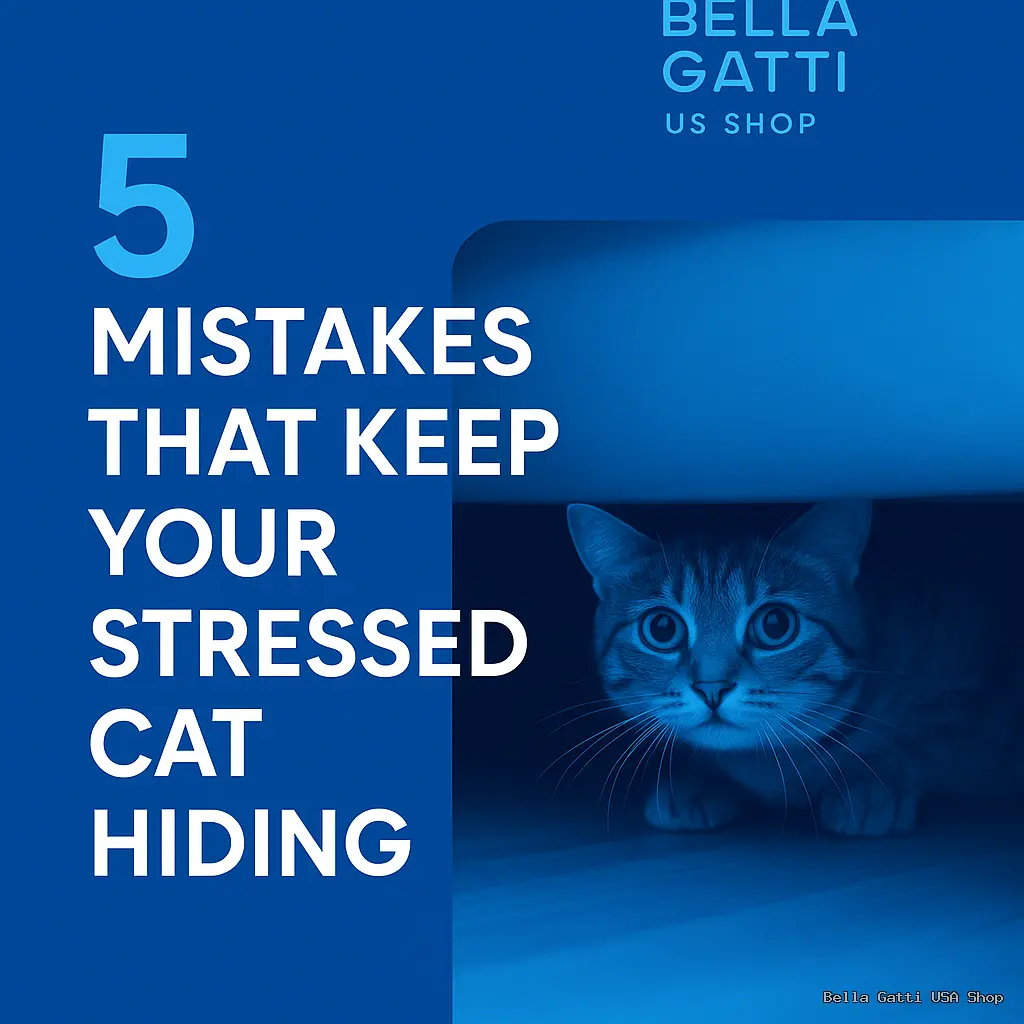
Look for decreased interest in play, or a sudden preference for hiding more often than usual. If your cat starts sleeping in new, unusual places, or avoiding their favorite spots, pay attention, they might be trying to isolate themselves.
Other Subtle Behavioral Changes include grooming less, resulting in a messy or greasy coat, mats, or dandruff. Conversely, excessive grooming in one area can signal pain or skin issues. These are all early signs that require investigation.
Changes in Appetite and Thirst: Monitoring Metabolic Health
Monitoring your cat’s relationship with food and water provides vital clues about their internal cat health.
Any decrease in appetite or unexplained weight loss should be treated seriously. However, some metabolic diseases present the opposite problem.
Cats dealing with hyperthyroidism or diabetes often eat more and drink more water, while those with liver or kidney issues may also show significant changes in drinking. Keep a close eye on their food and water bowls; consistency is key to early detection.
Alterations in Litter Box Habits: Critical Indicators
The litter box is a goldmine of information about your cat’s health, yet many cat owners overlook changes in litter box habits.
Critical signs include diarrhea, constipation (often presenting as small, hard stools), increased urination, or straining to urinate.
Urinating outside box locations is never just spite; it is usually a distress signal related to pain or illness, pointing potentially toward kidney or bladder problems that require urgent veterinary evaluation.
Monitoring stool consistency and frequency of urination gives your veterinary services team crucial data for Feline Diagnostic Testing.
Why Cats Are Masters of Deception
Your feline companion is a creature of mystery, grace, and unfortunately, absolute professionalism when it comes to concealing pain. If you suspect your cat is hiding illness, you are probably right.
The reason your cat acts like a secret agent when unwell is deeply rooted in history. For a sick cat in the wild, showing weakness meant becoming a target.
This survival mechanism is formally recognized as the Concealment of Health Issues by Cats. It is a powerful evolutionary trait that keeps those primal instincts strong, even when your kitty is safely napping on your sofa.
The Instinct: Why They Mask Discomfort
Even though your cat’s biggest daily concern is usually securing the prime sunbeam, they maintain the instinct to appear strong and avoid vulnerability. This is true even within the safety of your home.
This innate behavior makes the Early Detection of Feline Illness incredibly challenging for the devoted cat owner. They mask discomfort brilliantly, leading to delayed treatment for potential cat illness.
Veterinarians specializing in cat health stress that understanding this instinct is the first step toward becoming a proactive cat owner. By the time a sick cat shows obvious physical symptoms, the underlying condition is often advanced and requires more intensive veterinary services.
For this reason, recognizing signs requires looking for subtle changes, the slightest shift in behavior or routine, rather than waiting for dramatic collapses. This vigilance is crucial for ensuring prompt care.
We need to stop looking for dramatic signals and start monitoring the tiny, subtle behavioral changes that indicate something is wrong with your feline companion. This proactive approach helps ensure you catch early signs of trouble before they become critical.
Subtle Behavioral Changes: The First Clues
Because cats are the undisputed masters of the Concealment of Health Issues by Cats, recognizing signs of a sick cat often requires the dedication of a seasoned cat owner. The most reliable indicators are subtle changes in your cat’s daily routine.
Trust your gut. If your feline companion suddenly seems “off,” you are likely observing early signs of cat illness symptoms.
The Activity Report: Decreased Engagement
If your normally playful pet has decided that all toys are beneath them, or if they are avoiding their favorite window perch, pay attention. A sudden decrease in activity or a reluctance to jump onto furniture may signal pain, often due to conditions like arthritis or systemic cat illness.
Subtle Behavioral Changes are key indicators. Cats feeling unwell often conserve energy, meaning less chasing the laser pointer and more time conserving strength.
The Art of Retreat: Hiding and Sociability
One of the most common early signs is increased hiding. While all cats enjoy quiet time, a cat that suddenly spends all day under the bed is actively trying to retreat from discomfort or perceived danger.
They might seek out new, unusual sleeping spots that are dark, isolated, or even cold, a clear signal they are trying to manage their discomfort.
You may also notice changes in interaction. A previously affectionate cat might become withdrawn or even slightly aggressive if you touch a painful area, while a very independent cat might suddenly become clingy. Both extremes warrant attention and are critical indicators for Early Detection of Feline Illness.
When Subtle Signs Demand Prompt Care
Recognizing these signs is the first step toward effective Preventive Veterinary Care. If you notice these subtle changes persist for more than 24 to 48 hours, it is time to schedule a Veterinary Wellness Examination.
For cat owners in Grand Prairie, Texas, consulting your local veterinary hospital, such as Gully Animal Hospital of Grand Prairie, ensures your pet receives prompt care and necessary Feline Diagnostic Testing to address potential cat illness.
The Kitchen Audit: Appetite, Thirst, and Unexplained Weight Loss
Your feline companion might be a master of the Concealment of Health Issues by Cats, but they can’t hide what they eat (or don’t eat). Monitoring what goes in and what comes out is crucial for optimal cat health.
Changes in diet and hydration are often primary cat illness symptoms and early signs that demand attention from every dedicated cat owner.
When the Food Dish Becomes Boring
A sudden decrease in appetite is a major red flag. If your sick cat turns up their nose at a favorite snack, this could signal issues ranging from painful dental problems to serious systemic concerns.
Conversely, be equally wary of the cat who suddenly gets greedy. Metabolic diseases, such as hyperthyroidism or diabetes, often cause a significant increase in appetite.
The critical distinction here is unexplained weight loss: a cat eating more but still dropping pounds suggests the body isn’t processing nutrients correctly. This requires Feline Diagnostic Testing and prompt care.
The Suddenly Bottomless Water Bowl
If you find yourself constantly refilling the water bowl, take serious note. Changes in drinking, specifically excessive thirst, are severe physical symptoms and key indicators of underlying cat illness.
Cats with advanced kidney issues or metabolic diseases often drink significantly more water to try and flush toxins. This signals a need for immediate veterinary services.
For effective early detection, if your feline companion shows these subtle changes, seeking a consultation at a local veterinary hospital, such as Gully Animal Hospital of Grand Prairie in Grand Prairie, Texas, is highly recommended.
The Scoop on the Litter Box: Critical Symptom Monitoring
After auditing what your feline companion consumes, the next crucial step is auditing what they leave behind. Changes in Litter Box Habits, which serve as important health indicators, are often flashing lights indicating something is wrong. Equally telling is their Grooming Behavior; excessive grooming or neglecting to groom can suggest underlying health issues. By closely monitoring these habits, you can gain valuable insights into your cat’s overall well-being.
Never assume urinating outside box is purely a behavioral issue; it is frequently one of the early signs of serious physical symptoms, requiring swift veterinary services.
Urgent Veterinary Signs Regarding Output
You need to pay close attention to both frequency and volume. Increased urination (polyuria) can signal metabolic cat illness symptoms such as diabetes or kidney problems, which demand immediate follow-up.
A drastic decrease in urination, or observable straining, is a critical Urgent Veterinary Sign (Immediate Attention). If you see your cat straining in the box but producing little or no urine, this is a life-threatening medical emergency.
This scenario requires immediate prompt care and transport to a veterinary hospital. Recognizing subtle changes, such as dry gums or decreased skin elasticity, can be crucial signs of dehydration in cats and is the core of preventive medicine, especially in locations like Grand Prairie, Texas, where comprehensive care is readily available.
Assessing Stool Consistency
Look closely at the stool consistency as well. Diarrhea or severe constipation, characterized by small, hard stools, are major cat illness symptoms that require follow-up.
Abnormal stool consistency or frequency can point toward underlying digestive issues or dehydration. If these changes persist for more than 24 hours, schedule a Veterinary Wellness Examination immediately.
Monitoring litter box habits is a non-negotiable part of being a dedicated cat owner, providing vital clues about your cat health that they are instinctively trying to conceal.
The Catwalk Audit: Grooming and Physical Appearance Indicators
After monitoring the critical Changes in Litter Box Habits (Symptom Monitoring), it’s time to examine your feline companion’s exterior. A cat’s coat is usually immaculate, they practically invented self-care.
A deviation from their high grooming standards is a major indicator of how they feel internally. Remember, cats excel at the Concealment of Health Issues by Cats, so you must look for subtle changes.
Coat Condition: When the Shine Fades
A sick cat often lacks the energy or flexibility required for thorough grooming. This is one of the most visible early signs of discomfort.
If you notice your cat’s coat looks messy, greasy, matted, or riddled with dandruff, they are likely feeling unwell. They simply cannot reach all areas, or the pain prevents them from twisting properly.
Conversely, excessive grooming can also signal a problem. If your cat obsessively licks or chews a specific spot, it might be due to localized pain, skin issues, or underlying discomfort in the joints.
Monitoring coat condition is vital for the Early Detection of Feline Illness.
Postural Changes: The Silent Language of Pain
Physical symptoms are often overlooked precisely because they are so subtle. Look closely at how your cat stands, sits, and moves.
A hunched posture, difficulty standing up after lying down, or a stiff, altered gait can be clear signs of chronic pain, often arthritis. These Subtle Behavioral Changes (Feline Illness Indicators) require attention.
They might also carry their tail differently or show a slight head tilt. If you observe these changes, immediate veterinary services are needed.
For residents of Grand Prairie, Texas, seeking a Comprehensive Physical Examination at facilities like Gully Animal Hospital of Grand Prairie can identify these painful cat illness symptoms early.
Unexplained Weight Loss and Dehydration
Monitoring for slow, unexplained weight loss is equally important. Even a gradual decline in weight, especially in previously overweight cats, can be a major sign of underlying cat illness.
Weight loss often accompanies a decrease in appetite, indicating that metabolic diseases or other serious health issues are present.
Check for signs of dehydration by gently lifting the skin near the shoulders. If the skin tents or returns slowly, your cat is dehydrated and needs prompt care.
These physical symptoms, combined with poor grooming, demand a scheduled Veterinary Wellness Examination to ensure your cat health is maintained.
Comparing Subtle vs. Urgent Symptoms: The Feline Emergency Guide
As a dedicated cat owner, you know your feline companion excels at the art of the dramatic exit, especially when they feel unwell. Cats hiding illness is an evolutionary survival tactic, making Early Detection of Feline Illness a true challenge.
This is why prompt care relies on recognizing the difference between a subtle change that warrants a scheduled chat with your vet and an Urgent Veterinary Signs (Immediate Attention) situation requiring a rush to the veterinary hospital.
To help you monitor your sick cat, this table outlines key indicators. Remember, when in doubt regarding severe cat illness symptoms, always consult veterinary services, particularly if you are near Gully Animal Hospital of Grand Prairie in Grand Prairie, Texas.
| Symptom Category |
Subtle Sign (Monitor/Schedule Visit) |
Urgent Sign (Immediate Veterinary Care) |
| Activity/Behavior |
Sleeping in new, secluded spots; decreased interest in play. |
Severe lethargy, collapse, uncontrolled tremors. |
| Appetite/Thirst |
Slight decrease in food intake for one day; moderate increase in water consumption. |
Complete refusal of food and water for 24+ hours; persistent vomiting or diarrhea. |
| Litter Box |
Slightly softer stool consistency; minor urinating outside box incident. |
Straining to urinate with no output; blood in urine or stool. |
| Physical Appearance |
Slightly greasy coat; slow, unexplained weight loss over weeks. |
Difficulty breathing, rapid breathing, pale gums, sudden lameness. |
Subtle Behavioral Changes (Feline Illness Indicators)
The most common early signs of cat illness symptoms are often found in shifts in routine. Recognizing subtle behavioral changes is critical for the cat owner. For instance, your feline companion might start sleeping in new, secluded spots, showing a decrease in interest in play, or actively avoiding favorite perches.
Concealment of Health Issues by Cats is a serious concern, so if your cat suddenly grooms less or stops seeking interaction, these subtle changes should trigger immediate observation and a call to veterinary services. This careful monitoring is the first step toward Early Detection of Feline Illness.
Changes in Appetite and Thirst (Metabolic Indicators)
Monitoring appetite and changes in drinking habits provides crucial insight into metabolic function and cat health. A slight decrease in appetite for one day might be harmless, but prolonged decrease in appetite is a significant warning sign.
Note that some cat illness symptoms, particularly metabolic diseases like hyperthyroidism or diabetes, cause the cat to eat more and show major changes in drinking habits. Conversely, unexplained weight loss paired with decreased food intake points toward serious underlying issues.
Persistent refusal of food and water for 24+ hours, especially combined with continuous vomiting, requires comprehensive care and immediate attention at a veterinary hospital, such as Gully Animal Hospital of Grand Prairie.
Alterations in Litter Box Habits (Urgent Urological Signs)
Changes in Litter Box Habits (Symptom Monitoring) are the ultimate barometer of internal cat health and must be noted by every cat owner. While slightly softer stool consistency or a minor urinating outside box incident might occur due to stress, straining to urinate with little or no output is a life-threatening, critical physical symptom.
This symptom indicates a potential urinary blockage, requiring Urgent Veterinary Signs (Immediate Attention). Abnormal urination patterns, blood in urine or stool, or very small, hard stools (constipation or severe changes in stool consistency) are severe early signs that require prompt care and Feline Diagnostic Testing.
Monitoring Coat and Grooming Behavior (Physical Symptoms)
A cat’s coat is often the first visual cue of internal distress. Cats feeling unwell tend to groom poorly, resulting in a messy, greasy coat, mats, or excessive dandruff. This poor grooming is a classic sign of Concealment of Health Issues by Cats, as grooming requires energy and flexibility.
Conversely, excessive grooming, especially focused on a specific area, can signal localized pain and discomfort. During pet examinations, veterinarians conducting a Comprehensive Physical Examination often look for these physical symptoms as reliable indicators of underlying cat illness.
Physical Appearance Indicators (Dehydration and Pain)
Beyond the coat, look for more specific physical symptoms of your sick cat. A cat might adopt a hunched posture, hold their head tilted, or carry their tail differently, indicating signs of pain and discomfort. Dehydration is a common and serious sign; you can check for it using the skin tenting method.
Slow, unexplained weight loss over weeks, especially noticeable in previously overweight cats, is a strong indicator of chronic cat illness symptoms. This is a key focus during a Veterinary Wellness Examination aimed at early detection in places like Grand Prairie, Texas.
Behavioral Triggers for Urgent Care (Life-Threatening Symptoms)
Certain cat illness symptoms bypass the monitoring stage entirely and necessitate immediate transport to the veterinary hospital. These Urgent Veterinary Signs (Immediate Attention) include severe lethargy, collapse, uncontrolled tremors, difficulty breathing, or rapid, shallow breathing.
As a responsible cat owner, if you observe persistent vomiting or diarrhea, pale gums, or sudden lameness, these are not subtle changes. Understanding these behavioral triggers for urgent care ensures your feline companion receives the prompt care necessary to stabilize their condition. Regular Preventive Veterinary Care, including Comprehensive Physical Examinations and Blood work and Urine Analysis Screening, are the best ways to avoid reaching this crisis stage.
When to Seek Prompt Care
You’ve mastered recognizing the subtle signs, but now comes the tricky part: deciding when those vague indicators mean it’s time to call the vet. As a dedicated cat owner, prompt care is essential for ensuring the longevity of your feline companion.
If you notice any combination of these subtle changes, like a decrease in appetite, lethargy, or unexplained weight loss, lasting more than 24 to 48 hours, it is time to schedule a veterinary visit.
Urgent Veterinary Signs: The Code Red
While subtle changes warrant a scheduled appointment, never delay treatment if you observe urgent veterinary signs. Cats hiding illness can mask life-threatening emergencies.
Difficulty breathing, persistent vomiting, severe lethargy, or the inability to urinate are critical indicators requiring immediate veterinary services. These are life-threatening situations where seeking prompt care can save your cat’s life.
The Silent Signals: Recognizing Subtle Behavioral Changes
Cats evolved to conceal illness, making the recognition of subtle behavioral changes the first line of defense against serious cat illness symptoms. If your feline companion suddenly seems uninterested in play or spends more time hiding, pay close attention.
Early signs often include a decreased interest in play, sleeping in unusual new places, or avoiding previously favorite spots. These subtle shifts are often the first physical symptoms of internal pain or discomfort that the cat is trying to manage discreetly.
The Scoop on the Box: Alterations in Litter Box Habits
Monitoring changes in litter box habits is perhaps the most crucial form of home surveillance. Abnormal urination patterns, such as increased frequency or urinating outside the box, are critical signals pointing toward kidney or bladder issues.
Stool consistency is also key. Diarrhea, constipation, or producing small, hard stools all require urgent veterinary evaluation. Documenting these changes in litter box habits helps the veterinary hospital make an accurate diagnosis quickly.
Appetite and Thirst: Monitoring the Metabolic Rate
Any change in food consumption or drinking habits can indicate a serious cat illness. A sudden decrease in appetite is a common, non-specific symptom, but consistent changes in drinking are often early signs of systemic issues.
Cats with metabolic diseases like hyperthyroidism or diabetes often eat more and exhibit changes in drinking, leading to excessive water consumption. Tracking these trends is vital for early detection of feline illness.
Physical Appearance and Grooming Clues
A sick cat often neglects its appearance. Poor grooming results in a messy, greasy coat, mats, or excessive dandruff, clearly indicating a decline in cat health.
Conversely, excessive grooming can signal localized pain or skin issues. Furthermore, pay attention to posture: a cat appearing hunched or showing unexplained weight loss may be experiencing discomfort, demanding prompt care.
Preventive Veterinary Care: The Cornerstone of Feline Health
Because of the inherent Concealment of Health Issues by Cats, routine Veterinary Wellness Examinations are the absolute cornerstone of Early Detection of Feline Illness. You might miss a slight change in posture or coat condition, but a trained veterinarian will not.
For our neighbors in Grand Prairie, Texas, facilities like Gully Animal Hospital of Grand Prairie emphasize comprehensive care and preventive medicine. These routine pet examinations are essential, even when your feline companion seems perfectly healthy.
Comprehensive Physical Examinations and Feline Diagnostic Testing
A comprehensive physical examination often includes Feline Diagnostic Testing, such as blood work and urine analysis screening. This proactive approach is key to recognizing signs before they become severe.
This critical screening can catch conditions like kidney disease, diabetes, or hyperthyroidism long before your cat shows obvious physical symptoms. Preventive veterinary care ensures that a minor health issue doesn’t escalate into a crisis.
The Power of the Cat Owner: Home Monitoring and Journaling
You are your cat’s best advocate. Keep a detailed journal of your cat’s routine, meticulously monitoring subtle behavioral changes, food consumption, and sociability.
Documenting these subtle changes helps your veterinarian piece together the puzzle during your consultation. Remember, early detection leads to better outcomes. Do not wait for a sick cat to become a very sick cat before seeking professional veterinary services.
Frequently Asked Questions: Decoding Your Feline Companion’s Secrets
You’ve mastered recognizing the subtle changes and are now equipped to be a proactive cat owner. But if you’re still wondering whether that new sleeping spot is just a quirk or a critical indicator, these frequently asked questions address the most common mysteries of the sick cat, ensuring you provide prompt care when it matters most.
Why Do Cats Conceal Their Health Issues?
As expert hunters, cats evolved with a powerful survival instinct: the concealment of health issues. In the wild, showing weakness makes a cat vulnerable to predators or rivals. This ancient programming means that by the time physical symptoms are obvious, the underlying cat illness may be advanced. Recognizing signs of illness requires vigilance and understanding this innate behavior in your feline companion.
Recognizing Subtle Behavioral Changes (Feline Illness Indicators)
What are the earliest signs a cat is hiding illness?
The earliest signs are almost always subtle behavioral changes. If your feline companion suddenly stops greeting you at the door, avoids physical interaction, or starts hiding more frequently, these are crucial early signs of discomfort or stress. Look for a decrease in activity level or sleeping in unusual places, as these subtle changes are often the first clue before any physical symptoms appear.
A sudden lack of interest in their favorite toys or a refusal to engage in play are also key indicators. Remember, a happy cat is usually an active cat. Any deviation from their established routine warrants close monitoring and documentation for your veterinary services provider.
Urgent Veterinary Signs (Immediate Attention)
Why is a change in litter box habits considered an urgent symptom?
Changes in litter box habits are one of the most critical indicators requiring prompt care. Straining to urinate or frequent, unproductive attempts (no output) can signal a urinary blockage, a life-threatening emergency, especially common in male cats. This requires immediate attention at the veterinary hospital.
If you notice your cat urinating outside the box, it often signals pain or discomfort, not spite. Furthermore, alterations in litter box habits, such as persistent diarrhea, severe constipation (small, hard stools), or abnormal urination patterns, can point directly to kidney or bladder problems, demanding urgent veterinary evaluation. Monitoring stool consistency and frequency is essential for preventive medicine.
The Metabolism Mystery: Appetite, Thirst, and Weight
If my cat is eating more but losing weight, what does that suggest?
That is the classic paradox of the sick cat! Unexplained weight loss despite an increase in appetite and changes in drinking is a hallmark sign of metabolic disorders, such as hyperthyroidism or diabetes. This requires prompt diagnostic testing, including bloodwork and urine analysis screening, to confirm the underlying cat illness.
Conversely, a sustained decrease in appetite can signal dental pain, liver problems, or kidney issues. Monitoring both food and water intake is vital. While some cats may eat less, they will often show a marked increase in drinking. Keeping a journal of these subtle changes is extremely helpful for your veterinary services team.
Grooming and Physical Appearance Indicators
Can excessive grooming indicate pain instead of cleanliness?
Yes, absolutely. Grooming habits offer a wealth of information about cat health. While poor grooming signals lethargy, stiffness, or results in a messy, greasy coat (often accompanied by mats or dandruff), excessive grooming (or over-licking one specific area) can be a sign of localized pain, such as joint discomfort, or anxiety. It is a subtle but important cue.
Beyond grooming, monitor physical appearance indicators. Does your cat appear hunched? Do they have a head tilt, or does their tail carriage look different? These physical symptoms, along with slow, steady unexplained weight loss, should never be ignored by a dedicated cat owner. Urgent veterinary signs also include difficulty breathing, persistent vomiting, or severe lethargy.
Preventive Veterinary Care and Comprehensive Care
How often should I take my healthy cat for a Veterinary Wellness Examination?
For adult cats, most veterinarians specializing in comprehensive care recommend at least one to two comprehensive physical examinations annually. This routine preventive medicine is essential for early detection.
Experts, including those at Gully Animal Hospital of Grand Prairie, TX, emphasize that frequent pet examinations are crucial for senior cats or those with chronic conditions. Routine bloodwork and urine analysis screening during these Veterinary Wellness Examinations allow for the Early Detection of Feline Illness, giving your beloved feline companion the best chance at longevity through prompt care in Grand Prairie, Texas.