- The Upright Tail (flagpole) and Question Mark Tail signal confidence, trust, and a positive emotional state (The Happy Tail).
- A Low/Tucked Tail indicates nervousness or fear, while the Full Fluff (Bottle Brush) signals maximum alarm and a defensive posture.
- Rapid Tail Flicking or Lashing is a critical Overstimulation Warning Signal indicating irritation; stop interaction immediately to prevent feline aggression.
- The Tail Wrap (Feline Hug) confirms deep social bonding and security, signifying a high level of trust and comfort.
Table of Contents
- Stop Guessing: Mastering the Cat Tail Language Decoder
- The Upright Antenna: Confidence and Comfort (The Happy Tail)
- The Question Mark Tail: Friendly Curiosity
- The Low Slung: Caution Ahead: The Defensive Tail
- The Full Fluff: Maximum Alarm
- Decoding Feline Body Language: The Emotional State Barometer
- The Tail Wrap: The Feline Hug
- Broadcast Your Own Devotion: The Cat Servant Uniform
- The Cat Tail Language Decoder Ring: Mastering the Emotional State Barometer
- How to Respond to Your Cat’s Broadcast: Mastering the Emotional State Barometer
- Red Alert: Decoding Feline Aggression Prevention and Warning Signals
- The Emotional State Barometer: Decoding Subtle Tail Movements
- Frequently Asked Questions
- Frequently Asked Questions: Decoding Advanced Feline Body Language
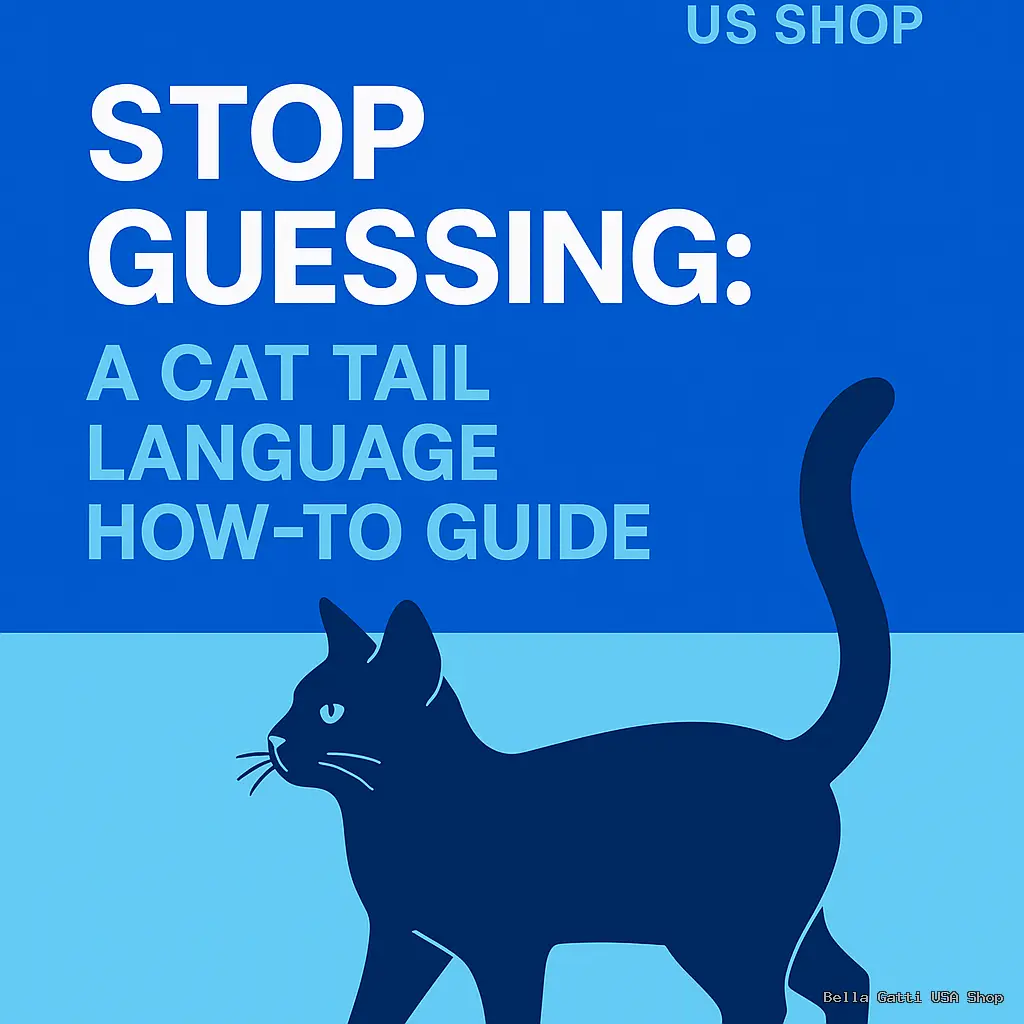
Stop Guessing: Mastering the Cat Tail Language Decoder
You are not merely a pet owner. You are a dedicated Cat Servant, tasked with anticipating the needs and decoding the increasingly complex demands of your tiny, fluffy overlord.
But how does your master truly communicate? Forget the pathetic little meows. Your cat uses the highly sophisticated instrument of the tail.
The tail is the cat’s primary emotional broadcast system. It is a real-time, unfiltered Emotional State Barometer, measuring everything from absolute confidence to sheer panic.
If you want to understand your cat, you must master the art of reading the Cat Tail Language.
Ignoring these crucial warning signals is the fastest way to earn a quick scratch or a dramatic feline exit. We are here to ensure you avoid such catastrophes.
This comprehensive guide will arm you with the knowledge to finally understand what your feline friend is telling you, drawing on insights verified by experts and resources like the Cornell Feline Health Center.
By decoding Feline Body Language, you will learn to differentiate the meaning behind every subtle tail position and tail movement, recognizing signs of comfort, cat stress, cat fear, and cat emotions.
Stop guessing if that wagging tail means happiness or irritation. We will teach you the difference between a happy tail, a safe tail, and a defensive tail so you can respond appropriately to your cat behavior.
Expert Insight
“While the tail is a powerful communication tool, no single tail signal can be correctly interpreted without considering the full context of the animal’s posture, facial expression, and immediate circumstances,” notes the Feline Behavior Specialist.
The Upright Antenna: Confidence and Comfort (The Happy Tail)
This is the gold standard of cat tail language signals. When your feline master holds the tail straight up, perpendicular to the floor, often with a slight quiver at the tip, you are doing something right.
This specific tail position is the clearest indicator in cat communication that the environment is safe and the company (that’s you, servant) is welcome.
Visual Description: A flagpole waving victory, or an antenna broadcasting pure, unadulterated contentment.
Witty Interpretation: “I am safe. I own this area. You may approach and offer tribute (treats).”
This posture indicates immense confidence and positive cat emotions. When your cat greets you with an upright tail, they are expressing clear signs of comfort and high social bonding. This is their equivalent of a warm, open handshake, signifying deep signs of trust.
Understanding this basic tail position is the first, crucial step in decoding the complex system of feline body language. When you see this happy tail, you know they are relaxed and content with their surroundings. Congratulations, you have successfully learned how to read cat tail signals.
Expert Insight
“The upright tail is the clearest indicator of comfort and high social bonding, acting as a cat’s equivalent of a warm, open handshake that signifies deep trust,” explains Pam Johnson-Bennett, Cat Behavior Expert.
The Question Mark Tail: Friendly Curiosity
If the Upright Antenna signals absolute, unwavering comfort, The Question Mark Tail is your cat’s polite, slightly quizzical follow-up. This specific cat tail position is one of the most reassuring signals in feline body language, often referred to by experts as the Universal Greeting.
Visual Description: The tail is held mostly upright, perpendicular to the floor, but the very tip curls over gently, perfectly resembling the punctuation mark.
Witty Interpretation: “Hello, friend! I am pleased to see you and mildly curious about what you are doing. Is that food, or just a new graphic tee?”
Behaviorists confirm that The Question Mark Tail (Universal Greeting) is a clear indicator of a positive emotional state. It shows the cat is relaxed, playful, and approachable, but perhaps has a slight, momentary reservation or quizzical interest in the environment or you.
This tail movement is one of the best signs of trust you can receive. This cat tail meaning indicates the cat feels safe enough to explore and interact. You have been approved for temporary petting privileges.
Learning to read cat tail signals like this is essential for understanding your master’s true intentions and developing strong cat communication. This is a great time for gentle interaction, as your cat is broadcasting comfort and low-level curiosity.
Expert Insight
“The ‘question mark tail’ is a pro-social behavior. It’s like walking up to another person with a huge smile on your face and wanting to interact,” states Dr. M. Leanne Lilly, DVM, DACVB.
The Low Slung: Caution Ahead: The Defensive Tail
If the Upright Antenna signals confidence, the Low Slung position means your feline overlord is assessing the world through suspicious eyes. When the tail drops low, hovering near the ground, your master is broadcasting critical warning signals.
This low stance, often called the defensive tail, is a key indicator in feline body language that something is not right in their immediate environment.
Visual Description: The tail is held low, nearly touching the ground, sometimes slightly tucked between the legs.
Witty Interpretation: “I am suspicious of that shadow, noise, or new rug. Proceed with caution. My stress levels are rising, and I am currently operating as an Emotional State Barometer registering red.”
A low tail position signifies nervousness, uncertainty, or mild cat fear. Veterinary behaviorists confirm that if the tail is actively tucked between the legs, it is a primary indicator of submission or high cat stress.
The cat is trying to make itself appear smaller, which is a classic defensive mechanism used when assessing a perceived threat. Understanding this specific tail position is essential if you want to effectively read cat tail signals.
The Humane Society of the United States emphasizes that accurately decoding cat tail language is the foundation of a safe and happy relationship. A lowered tail means the cat is actively scanning for danger, and ignoring these crucial warning signals is a major oversight for any dedicated Cat Servant.
The Full Fluff: Maximum Alarm
If the Low Slung position was a cautious warning signal, The Full Fluff is the five-alarm fire. This is the most dramatic broadcast of panic in the entire feline body language repertoire.
Welcome to the ultimate defensive display, universally known as the Cat Puffed Tail, or the highly descriptive, ‘The Bottle Brush Effect.’
Decoding the Maximum Alarm Signal
Visual Description: Every single hair on the tail, and often the fur running down the spine, stands completely erect. This instantaneous tail position makes your master look two or even three times their actual size.
Witty Interpretation: “I am terrified, or I am trying to convince you I am a much larger, more terrifying creature than I actually am. Do not engage, Cat Servant.”
This posture, scientifically known as piloerection, is a clear sign of extreme cat stress or cat fear. It is a desperate, physical attempt at feline aggression prevention, the cat is trying to bluff its way out of danger by appearing massive and intimidating.
Veterinary experts at the Cornell Feline Health Center emphasize that recognizing these intense warning signals is vital. Ignoring the puffed tail increases the risk of defensive lashing out or biting.
When you see the Cat Puffed Tail, your job is immediate de-escalation. This is not the moment for cuddles. You must calmly remove the stressor (the strange sound, the vacuum, the unexpected visitor) to ensure your master feels safe. Understanding this profound cat communication is essential for maintaining peace in the kingdom.
Decoding Feline Body Language: The Emotional State Barometer
Tail position tells you the general mood, but the actual motion, the speed and intensity, is your cat’s moment-to-moment Emotional State Barometer. This cat tail movement provides crucial insight into their immediate feelings and is vital for understanding comprehensive feline body language.
The Gentle Swish: Relaxed Focus or Conflict Initiation
When your master’s tail moves slowly and fluidly from side to side, you are witnessing the Tail Swishing phase. This typically means relaxed curiosity, or perhaps intense focus on a rogue dust bunny or a bird outside the window. This is generally a safe tail.
However, if the swishing accelerates and becomes sharper, you must pay attention. Faster, snappier movements signal that the cat is deciding whether to engage in conflict or is becoming deeply irritated. This transition is critical for understanding full cat tail meaning.
Rapid Action: Tail Flicking and Lashing Warning Signals
Rapid, forceful tail movements are almost always bad news for the dedicated Cat Servant. If you observe the tail twitching or tail flicking quickly, it signals irritation or, most commonly, Overstimulation Warning Signals.
If you are currently petting your master and you see that tail start to twitch, stop immediately. Your cat is broadcasting, loud and clear, that the interaction has become too much.
When the tail begins lashing or thumping hard against the floor, this suggests major discomfort, fear, or escalating feline aggression. Recognizing these rapid tail movements helps prevent bites or scratches.
Studies from the Cornell Feline Health Center emphasize that ignoring these clear warning signals significantly increases the risk of aggression. You must respect the boundary.
Remember this simple rule for reading cat behavior: Slow movement is often curiosity, fast movement signals cat stress or distress.
Now that you can identify both the position and the motion, you are fully armed to read cat tail signals like a true expert.
The Tail Wrap: The Feline Hug
If you are lucky enough to witness the Tail Wrap, pause your service immediately. You have just been granted the highest honor in cat tail language. This profound gesture is one of the clearest signs of trust and comfort your feline master can bestow.
This position is the ultimate indicator of a positive emotional state. It signifies high social bonding, affection, and safety, confirming you are a core part of their secure world.
Visual Description of the Tail Wrap
Your cat approaches you, a favored feline companion, or perhaps even a respected dog (a true rarity), and gently hooks their tail around your ankle, arm, or shoulder. It’s the ultimate expression of the happy tail, securing you within their personal orbit.
Witty Interpretation
“You are my chosen person. We are bonded, and I feel completely safe. Consider this my official commitment device, ensuring you never leave the kitchen.”
When your cat performs the Tail Wrap (Feline Hug), they are communicating profound security. Behaviorists note that tail wrapping around legs or another cat signifies high social bonding and safety. If you want to truly understand cat communication, recognize this gesture as a green light, you are loved, essential, and have achieved peak servant status.
Broadcast Your Own Devotion: The Cat Servant Uniform
Now that you are fluent in every subtle shift of your master’s Cat Tail Language, shouldn’t your wardrobe reflect your devotion and newfound expertise?
Your cat expresses its complex *emotional state barometer* through its tail, you express your dedication and personality through your apparel.
We at Bella Gatti US Shop believe that every dedicated Cat Servant deserves a uniform that is as comfortable as it is expressive.
If your cat is broadcasting confidence with an upright tail, why not broadcast your exhaustion or dedication with one of our witty, high-quality Unisex Soft Cotton Tees?
Understanding the nuances of feline body language, from the friendly *The Question Mark Tail (Universal Greeting)* to the defensive *Cat Puffed Tail (The Bottle Brush Effect)*, is crucial for Feline Aggression Prevention.
We know the struggle is real. Experts at the Cornell Feline Health Center emphasize that recognizing rapid tail flicking or tail lashing are vital warning signals of potential cat stress or overstimulation.
From designs that celebrate the hard-won *signs of trust* like *The Tail Wrap (Feline Hug)*, to those that simply state, ‘I was late because the cat was sitting on me,’ Bella Gatti has the perfect garment to match your daily cat behavior struggles.
Upgrade your human apparel today and show the world your commitment to feline body language mastery. Show your master you truly understand cat communication.
The Cat Tail Language Decoder Ring: Mastering the Emotional State Barometer
Congratulations, dedicated Cat Servant. You have officially graduated from novice observer to expert decoder. Now, let’s dive into the core curriculum of advanced Cat Tail Language. This guide will help you instantly read cat tail signals, ensuring you never miss a critical instruction from your fluffy master again.
Remember, the tail is the cat’s primary emotional broadcast system. Understanding feline body language, specifically the specific tail position and tail movement, is essential for interpreting true cat emotions and preventing misunderstandings. This breakdown will help you master your cat’s internal Emotional State Barometer.
1. The Straight Up Salute: Signs of Trust and Confidence
When you see the tail pointing straight toward the ceiling, often with a slight quivering or “happy dance” at the tip, you are witnessing pure contentment. This is the definitive happy tail signal and a clear indicator of signs of trust. Your cat is confident, comfortable, and greeting you warmly.
Veterinary sources, including those often cited by The Humane Society of the United States, confirm that an upright tail position indicates confidence and is the universal greeting among well-adjusted felines. Approach gently and offer praise, your master is pleased with your service.
2. The Question Mark: Friendly Curiosity (The Universal Greeting)
This position, where the tail is held high but curves slightly at the tip, resembling a hook, is perhaps the most charming signal. This is officially known in Feline Body Language studies as The Question Mark Tail (Universal Greeting). It signifies relaxed curiosity and a willingness to interact.
This tail position confirms a positive cat tail meaning: “I’m friendly, and I’m open to interaction.” Behaviorists note these gestures are key indicators of positive emotional states. If you see this tail swishing gently, engage in gentle play or petting.
3. The Low Slung & Tucked Tail: Caution and Cat Fear
When the tail is held low, close to the ground, or even slightly tucked, it signals caution, uncertainty, or mild cat stress. If the tail is completely pulled inward and held tight between the legs, this is a clear sign of intense cat fear and submission.
As behaviorists emphasize, this posture is a primary defensive mechanism designed to make the cat appear smaller. According to literature from the Cornell Feline Health Center, ignoring these low tail position warnings can increase chronic stress. If you observe the tail tucked, gently remove the perceived stressor and allow your cat space to feel safe.
4. The Full Puff: Maximum Alarm and Defensive Tail
If the tail suddenly doubles in volume, bristling out like a massive pipe cleaner or bottle brush, you are witnessing the classic defensive posture: Cat Puffed Tail (The Bottle Brush Effect). This tail position, often accompanied by an arched back, is a primary indicator of extreme cat aggression or fear. This is a definitive defensive tail signal.
Veterinarians note that this signal serves to make the cat appear larger, serving as a powerful warning. When confronted with this extreme display of fear, experts advise immediate de-escalation. Step back, provide an escape route, and do not force interaction. Addressing Feline Aggression Prevention starts with recognizing this specific cat tail meaning instantly.
5. The Tail Wrap: Feline Hugs and Safe Tail Signals
While not a rapid movement, the Tail Wrap (Feline Hug) is a critical indicator of bonding and comfort. When your cat wraps its tail around your leg, arm, or another feline, it is displaying high social bonding and signifying a safe tail environment. Studies show that this gesture confirms positive cat emotions and signifies high signs of comfort and security.
6. Rapid Lashing and Tail Flicking: Overstimulation Warning Signals
This is perhaps the most misunderstood tail movement. When the tail begins rapid, forceful side-to-side motion, often called tail lashing or aggressive tail swishing, it is not excitement, it is irritation or overstimulation. This is one of the clearest warning signals your master can broadcast.
Decoding tail movements like tail flicking is crucial. Veterinary sources from the Cornell Feline Health Center emphasize that this rapid movement is an immediate indicator of discomfort. If you are petting your cat and the wagging tail turns into forceful lashing, stop interaction immediately and give them space. Recognizing these Overstimulation Warning Signals is key to maintaining a peaceful relationship and is a fundamental component of advanced Cat Tail Language mastery.
How to Respond to Your Cat’s Broadcast: Mastering the Emotional State Barometer
Mastering Cat Tail Language is only half the battle. As a dedicated Cat Servant, your ultimate duty is to adjust your behavior instantly and appropriately based on your fluffy master’s broadcast signals.
Proper response is key to de-escalating potential Cat Stress and building lasting Signs of Trust.
Decoding Comfort and Confidence: The Green Light
When you see the high, relaxed tail, or the universally recognized Question Mark Tail (Universal Greeting), you are dealing with a “Safe Tail” situation. This position signals high confidence and comfort.
This happy tail is a clear sign of trust. Approach with gentle confidence and affection to reinforce this positive emotional state. This Feline Body Language indicates your cat is ready for interaction.
Similarly, observing the Tail Wrap (Feline Hug) around your legs or another cat signifies high social bonding and safety. Behaviorists note these gestures are top indicators of positive cat emotions.
Recognizing Irritation: The Yellow Light Warning
When you observe rapid Tail Swishing or sudden, sharp Tail Flicking while you are petting, you are witnessing early signs of discomfort and potential Overstimulation Warning Signals.
Experts at the Cornell Feline Health Center emphasize that these rapid tail movements are critical warnings. Ignoring them increases the risk of Feline Aggression Prevention failure.
Respect the flick, Cat Servant. It is your master’s final call for you to step back immediately before the claws come out. You must understand cat limits.
Responding to Fear and Aggression: The Red Light
When the tail is tucked tightly between the legs, your cat is signaling Cat Fear. They are attempting to appear smaller, acting purely on defensive tail mechanisms.
If the tail suddenly transforms into the terrifying Cat Puffed Tail (The Bottle Brush Effect), your master is broadcasting maximum alarm. This is a primary fear response, often accompanied by an arched back and dilated pupils.
Veterinary literature emphasizes that when observing a puffed tail, along with other signs of Cat Fear, you must calmly remove the stressor. Do not attempt to force interaction or affection, wait until the Emotional State Barometer shows signs of comfort again.
In short: if the tail is low, tucked, or puffed, your role is to provide space and safety, not cuddles.
Red Alert: Decoding Feline Aggression Prevention and Warning Signals
Mastering Cat Tail Language is crucial for effective Feline Aggression Prevention. Aggression rarely appears without a dramatic prelude, it is the final act in a series of escalating warnings broadcast via Feline Body Language.
As a dedicated Cat Servant, you must learn to identify the subtle transition from minor irritation to potential conflict. Ignore these shifts at your own peril.
Fear Indicators: The Tucked Tail and The Bottle Brush Effect
When your feline master feels vulnerable, the tail drops low or tucks completely between the legs. This is a clear indicator of intense cat fear or insecurity. Veterinarians note that this defensive tail posture is designed to make the cat appear smaller, hoping the threat will disappear.
The most dramatic fear indicator is the full, rigid expansion known as the Cat Puffed Tail (The Bottle Brush Effect). When the tail spikes outward, along with an arched back and dilated pupils, your cat is trying to look maximally terrifying. This intense, defensive tail signal requires you to immediately remove the stressor and step back.
Overstimulation Warning Signals: Tail Movement Decoded
Pay close attention to rapid tail movement. Subtle twitching or rapid Tail Flicking often signals minor annoyance or growing overstimulation. You are pushing your luck, Cat Servant.
However, full, rapid Tail Swishing or lashing is a serious warning signal preceding an attack. Studies from the Cornell Feline Health Center emphasize that ignoring these rapid movements, which indicate high levels of cat stress, significantly increases the risk of cat aggression.
If you observe the ears flattening, the tail low and lashing, and the cat making rapid, short movements, you have received the maximum Overstimulation Warning Signals. This is the moment to freeze and retreat.
Responding to Conflict
Never corner a cat exhibiting signs of stress or fear, such as a tucked tail or a lashing tail. Providing a clear escape route is often the best and safest way to resolve the conflict without injury and is a core principle of effective Feline Aggression Prevention.
Remember, the tail is your master’s personal Emotional State Barometer. Paying attention to these changes in cat emotions ensures a harmonious home and confirms your status as a worthy Cat Servant.
The Emotional State Barometer: Decoding Subtle Tail Movements
As a dedicated Cat Servant, you know that your master’s communication is rarely simple. While the static tail positions (high, low, puffed) give you the basic emotional state, true mastery of Cat Tail Language requires watching the motion.
The tail operates as a highly sensitive Emotional State Barometer, constantly adjusting to environmental stimuli. The impact of environment and context on tail signals is profound, turning a twitch into a warning sign or a sign of intense focus.
Tail Flicking vs. Tail Swishing: The Irritation Scale
Understanding subtle tail movement is key to Feline Aggression Prevention. If your cat’s tail is moving, you must instantly differentiate between relaxed curiosity and mounting irritation.
Tail Swishing generally indicates relaxed curiosity or mild interest. This slow, fluid movement shows the cat is processing the scene but feels safe. This is a happy tail, signaling comfort.
In contrast, Tail Flicking, a small, rapid side-to-side movement of just the tip, is a clear sign of irritation or overstimulation warning signals. If you are petting your cat and you see this movement, consider it a polite, “Stop immediately.”
When the movement escalates to full Tail Lashing (a broad, powerful sweep), the cat is experiencing discomfort, fear, or serious distress. Recognized veterinary sources note that rapid tail movements are explicit warning signals needing immediate owner attention.
Context is King: Reading the Full Feline Body Language
You cannot read a cat tail in isolation. If the tail is twitching while your cat is staring intently at a feather toy, it signals hunting focus. If it twitches while you are vigorously rubbing its belly, it signals irritation and potential stress.
You must always look at the full Feline Body Language: ears pinned back, whiskers flattened, and pupils dilated. Cat communication is holistic, and combining these observations allows you to truly understand cat emotions.
Ignoring these subtle shifts increases the risk of aggression. Studies from the Cornell Feline Health Center emphasize that ignoring these early overstimulation warning signals drastically increases the risk of conflict, turning a simple petting session into a defensive tail event.
Therefore, your appropriate response is dictated entirely by the tail movement. If you see tail lashing or aggressive tail flicking, step back immediately. If the tail is upright and relaxed, approach gently. That is how a good Cat Servant reads the cat tail and ensures a safe tail interaction.
Frequently Asked Questions
You have now mastered the basics of the Emotional State Barometer. But even the most dedicated Cat Servant sometimes needs quick clarification on the more dramatic signals their feline masters broadcast.
Here are the most frequently asked questions about advanced Cat Tail Language, ensuring you never miss a critical warning signal or a sign of deep, abiding trust.
What is The Question Mark Tail (Universal Greeting)?
This is perhaps the happiest signal in the entire Feline Body Language dictionary. When your cat approaches you with their tail held high and the very tip curved over like a shepherd’s crook or a question mark, they are providing The Question Mark Tail (Universal Greeting).
Behaviorists note these gestures are indicators of positive emotional states, signaling friendliness, curiosity, and trust. It’s essentially your cat saying, “Hello, friend! I am happy and safe, and I trust you completely.”
Are Tail Flicking and Tail Swishing Warning Signals?
Yes, pay attention to the speed and intensity. While slow, gentle tail swishing often indicates relaxed curiosity or mild concentration (perhaps while watching a bird outside), rapid Tail Flicking or aggressive lashing is a major warning signal.
Veterinary sources emphasize that rapid tail movements are warning signs needing owner attention. If you see the tail lashing back and forth quickly, your cat is likely irritated, overstimulated, or moving toward aggression. This is the Emotional State Barometer flashing red.
When Does a Puffed Tail Indicate Cat Fear or Aggression?
When the fur on the tail stands straight out, creating a massive, fluffy pipe cleaner, you are observing the Cat Puffed Tail (The Bottle Brush Effect). This is a primary fear response designed to make the cat appear much larger and more intimidating to a perceived threat.
Puffed tails, along with an arched back and flattened ears, are classic signs of deep cat fear. The cat is attempting a defensive tail posture. Experts from The Humane Society of the United States confirm that this signals extreme stress, requiring the removal of the stressor immediately and calmly.
How Should I Respond to Overstimulation Warning Signals?
Recognizing Overstimulation Warning Signals, like ears flattening, pupils dilating, or rapid Tail Flicking, is crucial for Feline Aggression Prevention. If you are petting your cat and the tail starts lashing, you must stop immediately.
Studies from Cornell Feline Health Center emphasize that ignoring these warnings increases the risk of aggression, resulting in bites or scratches. Experts advise owners to step back and allow the cat to calm down on its own. Proper response can de-escalate cat stress and maintain signs of comfort.
What is The Tail Wrap (Feline Hug)?
The Tail Wrap (Feline Hug) is one of the clearest signs of trust and social bonding. When a cat wraps its tail around your arm, leg, or around another cat, they are demonstrating high social bonding and safety.
This is considered a highly affectionate gesture, equivalent to a gentle human embrace. It confirms that the cat feels secure and views you as part of its protected inner circle, further confirming positive cat emotions.
How Do I Read Cat Tail Language When the Tail is Tucked Low?
A tail that is held low, often tucked between the legs or clamped tightly against the body, is a clear indicator of low confidence, insecurity, or cat fear. Scientific studies show that this tail posture indicates stress or apprehension.
This is the opposite of the high, confident, happy tail. If you see this defensive tail position, check the environment for potential stressors. Understanding this cat tail meaning helps you understand cat behavior and remove the source of discomfort.
Does Overall Feline Body Language Matter More Than the Tail?
While the tail is a highly sophisticated broadcast system, you must always look at the full picture of Feline Body Language. The tail posture is only one component of cat communication.
For example, a cat might have a moderately high tail (good sign), but if its ears are flattened and whiskers pulled back (bad signs), the overall message is still caution. Always correlate the tail position with the eyes, ears, and posture to fully understand cat emotions and prevent potential aggression.
Frequently Asked Questions: Decoding Advanced Feline Body Language
You have now mastered the basics of the Emotional State Barometer. But even the most dedicated Cat Servant sometimes needs quick clarification on the more dramatic signals their feline masters broadcast. Here are the most frequently asked questions about advanced Cat Tail Language, ensuring you never miss a critical warning signal or a sign of deep, abiding trust.
What does it mean if my cat is aggressively wagging its tail?
Unlike our canine counterparts, a rapidly wagging tail in a cat is not a happy tail. It is a critical warning signal indicating intense agitation, conflict, or overstimulation. This rapid movement is a form of tail flicking or lashing and signals that your cat is unhappy, irritated, or preparing for defensive action.
Ignoring this tail movement is a serious mistake. Experts in Feline Aggression Prevention, including studies referenced by the Cornell Feline Health Center, emphasize that rapid tail lashing is one of the earliest Overstimulation Warning Signals. You should immediately stop whatever interaction is occurring and give your feline master space to de-escalate their cat stress.
Is The Question Mark Tail always a positive signal?
Yes, The Question Mark Tail (Universal Greeting) is almost universally recognized as a friendly greeting, signaling curiosity and a willingness to interact. This specific tail position indicates high signs of comfort and trust your cat holds for you.
According to experts at felinacarehub.com, this posture is a clear indicator that the cat feels safe and is in a positive emotional state. When you see this curved tail, it is a clear invitation to approach gently, confirming that you have successfully learned how to read cat tail signals.
How can I tell the difference between a playful swish and an irritated flick?
The distinction lies in speed and force. A playful swish, or tail swishing, is usually slow, fluid, and involves the entire tail. This indicates relaxed focus, often seen when stalking a toy or observing a bug, and is not a warning sign of cat stress.
Conversely, an irritated flick or lash is rapid, jerky, and often involves only the tip of the tail. These fast, forceful movements are true warning signals that the cat is uncomfortable or that their irritation is escalating. Learning to decode these fine tail movements is essential for understanding advanced cat behavior.
Why does my cat puff up its tail when seeing another cat through the window?
The cat puffed tail, officially known as piloerection, is a classic defensive reaction known as The Bottle Brush Effect. This is a primal response rooted in intense cat fear, even if the perceived threat (the other cat) is safely outside.
Your cat is attempting to make itself look bigger and more intimidating to scare off the perceived intruder. This defensive tail posture, combined with an arched back and dilated pupils, is a clear display of distress in feline body language. The Humane Society of the United States advises that when you see this, you should calmly remove the stressor or distract your cat to help them feel safe again.
What are the signs of trust and bonding in cat tail language?
The primary signs of trust and social bonding are postures that convey confidence and security. These include the upright, confident tail position (the “flagpole”), the slight quiver at the tip during greeting (a sign of excitement and happiness), and The Tail Wrap (Feline Hug) around your legs.
These postures indicate the cat feels completely safe and socially bonded with you, confirming a positive emotional state. A truly happy tail means your cat views you as a trusted member of their social unit, demonstrating profound cat communication.
Now go forth, Cat Servant, armed with your new decoder ring for Cat Tail Language. You have mastered the subtleties of feline body language, ensuring you can finally understand cat communication and cater to your master’s every unspoken command. Keep observing that tail, for it holds the key to the feline heart.