Summary
- Implement the Play-Eat-Sleep Cycle: Schedule at least two daily, high-intensity 15-minute play sessions, with the final session immediately preceding the kitten’s last substantial meal before your bedtime. This manages their natural Nocturnal Hunting Cycles.
- Practice Absolute Ignoring: Never reward 3 AM wake-up calls with attention, even negative responses. Ensure the kitten has access to environmental enrichment (climbing posts, quiet toys) outside your bedroom and use automatic feeders for early morning snacks.
- Avoid Negative Punishment: Use positive reinforcement and redirection for training. Methods like the spray bottle or shouting increase cat stress and erode trust; ignore bad behavior and reward good behavior instantly.
- Consider Companion Pairing: If a single kitten exhibits relentless energy and attention-seeking behavior, introducing a second kitten of similar age (Companion Animal Pairing) is highly effective for Kitten Socialization and mutual exhaustion.
Table of Contents
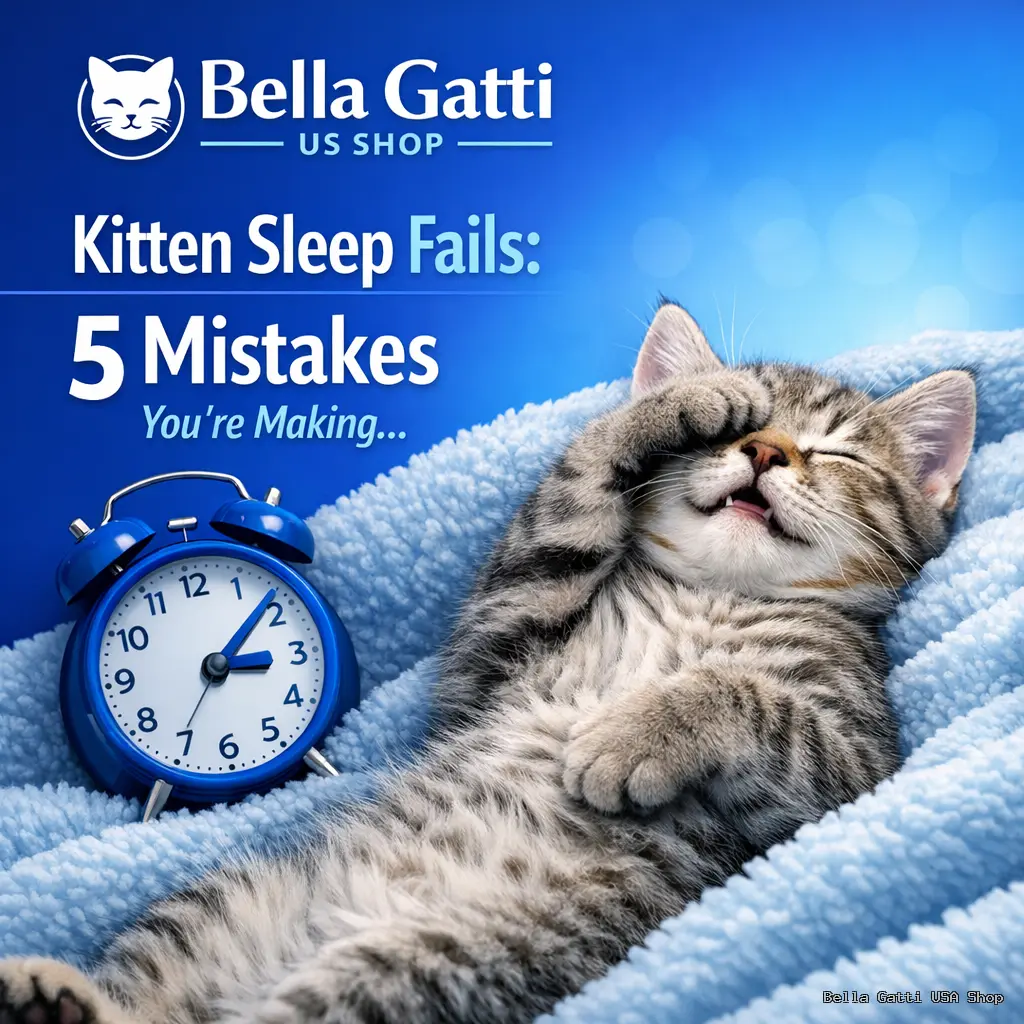
You know the sound. It is precisely 3:00 AM. That serene time when the world is quiet, your dreams are finally making sense, and then, *BAM*.
Your tiny, adorable, recently adopted kitten transforms into a furry, noise-making missile. Welcome to the infamous ‘kitten zoomies’ phenomenon.
It sounds less like a cat and more like a tiny herd of elephants galloping across your ceiling. They are attacking your toes. They are staging a theatrical performance of their impending starvation right outside your closed bedroom door.
If this struggle is your reality, you are absolutely not alone. Many new cat owner mistakes stem from misunderstanding basic cat behavior.
The truth is, kittens are naturally crepuscular (meaning they are most active at dawn and dusk). This is their biological prime time for hunting and chaos.
However, we can absolutely establish proper cat care routines and humane training techniques to help them respect your sleep at night.
We are here to help you reclaim your precious eight hours of kitten sleep. We have identified the five most common, yet completely fixable, errors that turn your sweet companion into a nocturnal mischief machine.
Let’s dive into the five biggest sabotages to your routine, and how to fix them with dedicated play times and environmental enrichment.
The 5 Mistakes That Ruin Your Sleep Routine
You brought home a tiny, purring menace, and now you’re suffering from chronic sleep deprivation. Adopting a kitten is incredibly rewarding, but it demands establishing a solid routine immediately. We need to focus on proper cat care and fix these common cat owner mistakes.
If you skip these crucial steps, you inadvertently reward the exact behavior you want to stop. The goal is simple: We need the kitten to actively play during day so they will sleep at night. Consistency is the key to achieving this peaceful coexistence and effective kitten training.
Mistake 1: The 3 AM Diner Mistake
This is perhaps the most common error in Feline Nutrition Management. You leave a full food bowl out all day and all night, turning your kitten into a constant grazer.
This seems generous, but it ignores the cat’s natural predatory cycle: Hunt, Eat, Groom, Sleep. If they can graze whenever they feel like it, they lack the incentive to settle down after a large, satisfying meal.
They wake up at 3 AM because they are bored, not truly starving. They are just checking if the buffet is open.
This habit is also a direct path to cat obesity, as noted by experts at Meow Kingdom, who emphasize that proper nutrition management is vital for cat health issues prevention.
The Fix: Scheduled Feeding and The Play-Eat-Sleep Cycle
Implement structured meal times. The most critical meal of the day, for maximum kitten sleep success, is the one right before your bedtime.
About an hour before you plan to sleep, initiate a serious, high-energy play session (see Mistake 3). Immediately after the play session, feed the kitten their final, substantial meal of the day.
This mimics the natural predatory cycle perfectly. They have ‘hunted’ and ‘killed’ the toy, eaten the reward, and are now ready for a long, well-earned rest.
If you are worried about early morning hunger, utilize an automatic feeder. Set the feeder to dispense a small portion of food around 5:30 AM. This teaches the kitten that the machine, not you, provides the first meal of the day, preventing them from waking you up.
Mistake 2: The Cuddle Trap
When your kitten starts batting at your face, scratching the door, or loudly complaining at 4:00 AM, what is your reaction? Do you immediately get up, soothe them, or give them a tiny snack?
If you answered yes, congratulations, you have successfully trained your kitten to be an early-morning alarm clock. This is one of the biggest cat owner mistakes.
This is a classic example of rewarding bad cat behavior. Even shouting “No!” or pushing them away is still attention, and attention is exactly what they crave. This falls under the principles of Behavioral Deterrence (Humane Training Methods).
The only way to stop the behavior is to remove the reward entirely.
Ignoring the noise is the hardest part of kitten training, but it is the most crucial. If you respond, even negatively, you reinforce their belief that waking you up works. You must be stone cold.
Omidteimoori, Reddit r/CatAdvice Contributor (2025)
The Fix: Absolute Ignoring and Environmental Management
You must commit to ignoring. This means no eye contact, no speaking, and absolutely no reaction to their antics. If the noise is unbearable, close your bedroom door.
Ensure the kitten has access to water, a litter box, and safe toys in the area outside your room. This is where Environmental Enrichment Strategies come into play.
Leave out puzzle feeders, climbing posts, or a window perch so they have something quiet to interact with when they wake up in the middle of the night. This teaches them that nocturnal noise results in zero human interaction, making the behavior pointless over time.
This strategic ignoring is the foundation of humane training that encourages them to sleep at night.
Mistake 3: The Energy Hoard
Kittens, especially a rescued kitten or street kitten, have an enormous amount of energy dedicated to hunting and exploration. If they do not burn this energy during the day, they will use it to practice their Management of Nocturnal Hunting Cycles on your carpet at 2:00 AM.
Many cat owner mistakes involve assuming short bursts of play are enough. They are not. You need to schedule dedicated play times that genuinely exhaust the kitten.
Competitors emphasize the necessity of 15-minute, high-intensity play sessions to tire the kitten out. This is essential for proper kitten training.
The Fix: The Power of the 15-Minute Play Session
You need at least two major play sessions per day, with the most important one happening 30 to 60 minutes before bedtime.
This means active, predatory play where you use a wand toy or fetch game to make the kitten run, jump, and stalk. This is not passive play; you must participate fully to ensure they burn through their energy reserves and are ready to sleep at night.
Avoid the Laser Pointer as the sole source of play. While fun, it does not allow the kitten to complete the hunt by catching anything, which can lead to frustration and potential aggressive cat tendencies or increased cat stress. Always end the session with a tangible toy they can ‘catch’ and chew.
This routine effectively tires them out, preparing them for the crucial sleep period.
Mistake 4: The Lone Wolf Syndrome
If you have a single kitten, particularly a young one (under six months), you may be dealing with extreme separation anxiety and relentless attention-seeking behavior. They see you as their primary, and often only, playmate.
Kittens that grow up alone often struggle more with sleeping through the night because they lack a companion to burn off energy with.
This lack of peer interaction is a key component of proper Kitten Socialization and Aggression Prevention.
The Fix: Companion Animal Pairing
This is sometimes the nuclear option, but experts widely agree it works: get a second kitten. This is known as Companion Animal Pairing.
Two kittens of similar age will engage in rough-and-tumble play, wrestling, and chasing each other for hours. This drastically reduces their need to seek attention from you at night and helps them play during day.
Kittens that grow up together tend to sleep longer and more peacefully, often curled up together. This allows them to fulfill their social and predatory needs without involving human intervention during your sleep cycle.
If a second kitten is not feasible, ensure you are providing excessive environmental enrichment, like tall climbing posts, automatic toys, and complex puzzle feeders to keep them occupied.
Mistake 5: The Human Impulse
We often react to unwanted behaviors, like scratching furniture or kitten bites during playtime, with immediate, negative responses.
Common (and ineffective) methods include shouting, clapping loudly, or using a Spray Bottle. While these might stop the immediate behavior, they are classified as non-humane training methods.
These methods only teach the kitten to fear you or perform the unwanted behavior when you are not present. They erode trust and increase cat stress, which can lead to more aggressive cat behaviors later on, or result in scratched furniture when you aren’t looking.
The Fix: Positive Reinforcement and Body Language Mastery
Focus entirely on positive reinforcement. When your kitten uses the appropriate scratching post, reward them instantly with praise or a high-value treat. Ignore the bad behavior (unless destructive) and redirect the energy.
If they bite your hand during play, immediately yelp (like a kitten would) and stop playing for 30 seconds. This is a clear signal that the play ended because of the biting, teaching them bite inhibition.
Furthermore, learn Interpretation of Feline Body Language. Subtle changes in behavior, like flattened ears or a twitching tail, are warning signs of stress or impending aggression. Respect their personal space when they show these signs, helping to prevent aggression.
If you notice sudden lethargy or major changes in bathroom habits, this is a clear sign that a trip to the vet is necessary for Veterinary Health Monitoring to rule out underlying cat health issues.
Establishing the Ultimate Routine: Daytime Management
To finally conquer the 3 AM wake-up call, you must master the art of the daytime kitten hustle. The key to managing Nocturnal Hunting Cycles is simple: exhaust the tiny tyrant while the sun is up so they crash when you do.
This isn’t just about random play; it requires strategic cat care. Top feline behaviorists emphasize a structured schedule that uses Environmental Enrichment Strategies to maximize exhaustion and minimize those dreadful middle-of-the-night zoomies. If you are serious about kitten training, consistency is non-negotiable.
This detailed routine outlines how to structure their day to maximize kitten sleep at night.
| Time Slot |
Kitten Activity Goal |
Owner Action / Strategy |
| Sunrise (6:00 AM) |
Wake and Hunt |
Automatic feeder dispenses small meal. Owner ignores kitten (crucial for behavioral training) until 7:00 AM. |
| Morning (8:00 AM) |
Energy Release |
Interactive play (10 minutes) using a wand toy. Focus on running and jumping to encourage play during day. |
| Mid-Day (12:00 PM) |
Environmental Enrichment |
Provide puzzle toys or hide treats. Ensure access to climbing posts and window perches for mental stimulation. |
| Evening (6:00 PM) |
Structured Dinner |
Second main meal. Ensure Feline Nutrition Management is followed for proper nutrition. |
| Pre-Bedtime (10:30 PM) |
The Crash Cycle |
Dedicated play times (15 minutes, high intensity). Follow immediately with the final, substantial wet food meal. |
| Night (11:00 PM – 6:00 AM) |
Sleep Management |
Owner ignores all sounds and attempts to wake them. Ensure quiet toys (like mice) are available. |
The Pre-Bedtime Blitz: Mastering The Crash Cycle
The most common cat owner mistake is letting the kitten get sleepy on their own. You have to manufacture the sleep, especially during the ‘T-rex phase’ of rapid kitten growth and restlessness. This is where dedicated play times are essential for successful kitten training.
Experts agree: 15 minutes of high-intensity play right before bed is non-negotiable. Use a wand toy or fetch game that allows the kitten to successfully “catch” the prey. Avoid using only a Laser Pointer, which can lead to frustration and potentially contribute to kitten bites or aggressive cat behaviors if they never achieve the satisfying conclusion of the hunt.
This intensive play session must mimic a successful hunt. Follow it immediately with their final, substantial meal. This aligns their natural Management of Nocturnal Hunting Cycles with your schedule, ensuring they sleep at night after a successful hunt-and-kill (the meal).
The Solo Kitten Struggle: Considering Companion Animal Pairing
Are you struggling with a single, overly demanding rescued kitten that uses your feet as a chew toy at 3:00 AM? You are not alone. Many resources, including those on Reddit (r/CatAdvice), strongly advocate for Companion Animal Pairing.
Kittens that grow up together often exhibit better socialization and Kitten Socialization and Aggression Prevention, and crucially, they sleep at night more soundly. A second kitten provides a built-in playmate for wrestling and burning energy, significantly reducing attention-seeking behaviors directed at you.
When you have two, they will naturally play during day with each other, leading to longer, more peaceful sleep periods for everyone involved. This is one of the most effective Environmental Enrichment Strategies for reducing nocturnal mischief.
The Silent Treatment: Enforcing Behavioral Deterrence
Once the routine is set, the hardest part is enforcing it. If your kitten tries to wake you after 11:00 PM, you must practice Behavioral Deterrence (Humane Training Methods): total, silent ignore. Any interaction, even yelling or shooing them away, rewards the behavior and teaches them that making noise gets results. This is crucial for successful kitten training.
Ensure their environment is optimized for the night. Use an automatic feeder for a small ‘sunrise’ snack (around 6:00 AM) to break the association between your waking up and food delivery. Make sure they have safe, acceptable outlets for climbing and scratching, like sturdy cat trees, to prevent them from attacking your scratched furniture and causing cat stress.
If you notice severe behavioral changes, excessive vocalization, or strange habits that don’t respond to routine adjustments, always look for warning signs and rule out cat health issues with a quick trip to the vet. Otherwise, trust the routine and ignore the tiny, adorable cries until morning.
Consistency is non-negotiable. It may take several weeks for your kitten to fully adjust and stop those cat owner mistakes, but maintaining this schedule will yield the sweet, sweet relief of a full night’s sleep.
The T-Rex Phase: Why Patience is Your New Best Friend
You’ve established your daytime routine, you’re using dedicated play times, and you’ve mastered the art of the pre-bed sprint. Yet, your kitten is still running laps at 3 AM. If you’ve been scrolling through platforms like Reddit (r/CatAdvice), you’ve probably heard this period of relentless restlessness called the “T-rex phase.”
This is completely normal cat behavior. Kittens are rapidly developing, testing boundaries, and mastering their physical capabilities. Immense patience is required during this stage of kitten training, especially if you adopted a rescued kitten or street kitten whose instincts are strongly geared toward the Management of Nocturnal Hunting Cycles.
Kitten Socialization and Aggression Prevention Through Pairing
If your kitten is relentlessly demanding attention and sleep at night seems impossible, consider the Companion Animal Pairing strategy. Top feline behaviorists note that introducing a second kitten of similar age often resolves extreme nocturnal activity.
When kittens grow up together, they play-fight and exhaust each other, resulting in both kittens sleeping longer and more peacefully at night. This naturally redirects their playful aggression (Kitten Socialization and Aggression Prevention) away from your toes and toward their sibling.
Remember the cardinal rule: Do not reward the 3 AM wake-up call. If you stick rigorously to the feeding, dedicated play times, and ignoring routine, your kitten will eventually adapt to your lifestyle.
They are smart creatures, they just need clear rules and Environmental Enrichment Strategies (like puzzle feeders or a sturdy climbing post) to manage their excess energy when you are asleep.
Do not give up. Consistent, humane training will eventually pay off, allowing everyone in the house to sleep at night.
Frequently Asked Questions About Kitten Sleep
The “T-Rex Phase” can feel endless, leading many cat owner mistakes rooted in exhaustion. But fear not, most sleep sabotage is fixable with proper cat care and a dedication to routine.
How do I establish a proper kitten sleep schedule?
The secret weapon against nocturnal zoomies is consistency. Kitten training requires you to manage the Management of Nocturnal Hunting Cycles by tiring your feline out right before bed.
Experts in feline nutrition, like those featured by Omidteimoori on YouTube, stress that the final meal of the day should immediately follow a dedicated play times session. This simulates the natural hunt, eat, groom, sleep cycle.
Your goal is to provide at least 15 minutes of high-intensity play, think wand toys, fetch, or even gentle tossing of Nerf Bullets, to ensure the kitten is genuinely tired. Avoid relying solely on the Laser Pointer, as this can be frustrating if they never “catch” the prey.
After the sprint, feed a small portion of their proper nutrition. A full food bowl left out all day might contribute to cat obesity and makes scheduled feeding less effective for kitten sleep.
Should I get a second kitten to help mine sleep at night?
If you have a very high-energy kitten, especially a rescued kitten or street kitten, Companion Animal Pairing is frequently cited on Reddit (r/CatAdvice) as one of the best Environmental Enrichment Strategies.
A second kitten provides a built-in playmate. They will engage in Kitten Socialization and Aggression Prevention with each other, reducing the aggressive cat behavior and kitten bites directed toward you.
While this is not a guaranteed fix, kittens that grow up together often play vigorously during the day and settle down to sleep at night simultaneously, leading to significantly longer, more peaceful rest for everyone involved.
What if ignoring the night activity doesn’t work?
Ignoring the chaos is the first step in humane training, but if your kitten is still running laps at 3 AM, you need stronger Behavioral Deterrence methods that don’t rely on punishment.
If the kitten is disrupting your sleep, consider using a Doggy Gate to keep them confined to a kitten-proofed area outside your bedroom door. Ensure this area has quiet toys and a comfortable perch.
You can also use timed automatic feeders to dispense a small snack during the typical 3 AM wake-up window. This manages the nocturnal cycle without requiring your direct intervention.
Crucially, pay attention to the Interpretation of Feline Body Language. If your kitten training efforts result in excessive cat stress, or if you see warning signs of persistent cat health issues, a trip to the vet for Veterinary Health Monitoring is mandatory. Avoid outdated methods like the Spray Bottle, positive reinforcement works best for proper cat care.
As the experts at Meow Kingdom often advise, patience and consistency are the keys to ensuring your kitten transitions from a tiny nocturnal terror to a beloved, sleepy companion.
Frequently Asked Questions: Troubleshooting Your Tiny Terrorist
We know that managing a demanding kitten means you’re bound to make a few cat owner mistakes rooted in sheer exhaustion. Let’s tackle the most common questions about establishing proper cat care and routine.
How long does the 3 AM problem last?
If you commit immediately to consistent kitten training, especially regarding feeding and play schedules, you should notice significant progress within two to three weeks.
However, the most intense “T-rex phase,” where the kitten is fully wired and actively managing their Management of Nocturnal Hunting Cycles, usually lasts until they are about six to nine months old.
Consistency is paramount. Any lapse in humane training or rewarding bad cat behavior with attention will set your progress back considerably.
Is using a Spray Bottle or Nerf Bullets okay for Behavioral Deterrence?
Absolutely not. We strongly advocate for positive, humane training methods. Using devices like a Spray Bottle or Nerf Bullets as punishment creates fear and mistrust.
This type of negative conditioning is detrimental to your bond and is often a precursor to serious prevent aggression issues later on. It significantly increases cat stress.
Focus instead on positive reinforcement, redirection, and learning the nuances of Interpretation of Feline Body Language to address the underlying cause of the activity.
Should I get a second kitten to help with sleep issues?
If you have the resources and desire, yes, this is a highly effective strategy. Introducing a second kitten of similar age is fantastic for Kitten Socialization and Aggression Prevention.
They will engage in intense play with each other, reducing their dependence on you for nighttime entertainment. This Companion Animal Pairing helps both kittens sleep at night and play during day.
How much dedicated play time is really necessary?
You need a minimum of two 15-minute high-intensity dedicated play times per day. The goal is physical exhaustion, getting the kitten running and jumping high.
The pre-bedtime session is the most crucial, as it ensures they fully manage their Management of Nocturnal Hunting Cycles. Use high-value toys like wand toys or safe, contained Laser Pointer sessions that end with a real catch (like a treat).
What are the major warning signs of a serious cat health issue?
While most kitten sleep issues are behavioral, always monitor for critical warning signs that require an immediate trip to the vet.
Persistent lethargy (sleeping far more than normal), sudden lack of appetite, repeated vomiting, or diarrhea are not normal cat behavior. These symptoms may indicate serious underlying cat health issues or infection, requiring prompt Veterinary Health Monitoring.
Advanced Kitten Training: Securing Your Sleep Schedule
You’ve mastered the basics, no more 3 AM feeding and you’ve ditched the reliance on tools like the Spray Bottle for *humane training* methods. But what happens when your tiny, adorable *rescued kitten* still insists on practicing the *Management of Nocturnal Hunting Cycles* right on your toes?
The truth is, even minor *cat owner mistakes* can sabotage weeks of effort. To truly guarantee a full night of *kitten sleep*, you need consistency and a deep understanding of *cat behavior*.
Mastering the Management of Nocturnal Hunting Cycles
The core of successful *kitten training* is realizing that cats are naturally crepuscular, most active at dawn and dusk. Your job, as the Expert Editor and Fact-Checker, is to shift their internal clock by exhausting them during the *play during day* hours and ensuring a large meal right before bedtime. This strategic use of *feline nutrition* is crucial for prolonged *kitten sleep*.
We stress the need for intense *dedicated play times*. Before you settle in for the night, commit to at least two intense 15-minute sessions of active play. Use wand toys, feather teasers, or even a supervised *Laser Pointer* session (always ending with a physical toy to prevent frustration). This is essential for preventing nuisance behavior and ensuring they *sleep at night*.
Remember that infamous ‘T-rex phase’? That period of boundless energy and demanding behavior often lasts until the *kitten* is about six to nine months old. Consistency in this routine, even during the most challenging phases, is the only way to minimize *cat owner mistakes* and achieve true *proper cat care*.
Environmental Enrichment and Behavioral Deterrence (Humane Training Methods)
When you are trying to *sleep at night*, your kitten needs to be able to entertain itself without you. This is where *Environmental Enrichment Strategies* come into play. Provide tall climbing posts, scratching trees, and puzzle feeders. If your kitten is engaging in destructive behavior like scratching furniture, it’s a failure of enrichment, not malice.
We strongly recommend learning *Interpretation of Feline Body Language*. If they are engaging in destructive behavior or waking you up, the *proper cat care* response is neutral. Do not reward attention-seeking behavior, ignore the crying. If necessary, use a *Doggy Gate* to contain them safely outside the bedroom, teaching them that human sleep time is not *dedicated play times*.
Crucially, effective *Behavioral Deterrence (Humane Training Methods)* means you must never use negative punishment. Forget the *Spray Bottle* or *Nerf Bullets*. These tools only lead to massive *cat stress* and a breakdown of trust, often resulting in an *aggressive cat* in the long run. Focus entirely on positive reinforcement and redirection to prevent aggression.
While most behavioral issues can be solved with routine adjustments, always monitor for serious *cat health issues*. Persistent lethargy (sleeping far more than normal) or sudden changes in appetite require immediate *Veterinary Health Monitoring* and a *trip to the vet*. But for typical ‘zoomies,’ routine management is your sleep savior.
Kitten Socialization and Aggression Prevention: The Companion Animal Pairing Solution
If you have exhausted all *kitten training* methods and your *street kitten* still has boundless energy, consider the power of *Companion Animal Pairing*. Many top experts, including those often cited on *Reddit (r/CatAdvice)*, agree that introducing a second kitten of similar age is one of the most effective *Environmental Enrichment Strategies* available.
A companion provides built-in *dedicated play times* and allows them to practice *Kitten Socialization and Aggression Prevention* on each other, rather than on your ankles. Kittens that grow up together tend to *sleep longer* and more peacefully, significantly reducing the likelihood of *cat owner mistakes* stemming from exhaustion and helping both kittens *sleep at night*.
Conclusion: Rest Easy, Cat Parent
Surviving the kitten phase and mastering these advanced *cat care* techniques is a badge of honor for any dedicated *cat owner*. By addressing these five common *kitten sleep fails*, you are establishing a robust foundation of trust and *proper cat care*.
Once those 3 AM wake-up calls cease, you will finally be able to appreciate the quiet mornings and leisurely weekends. Your reward for excellent *kitten training*? Pure, uninterrupted comfort.
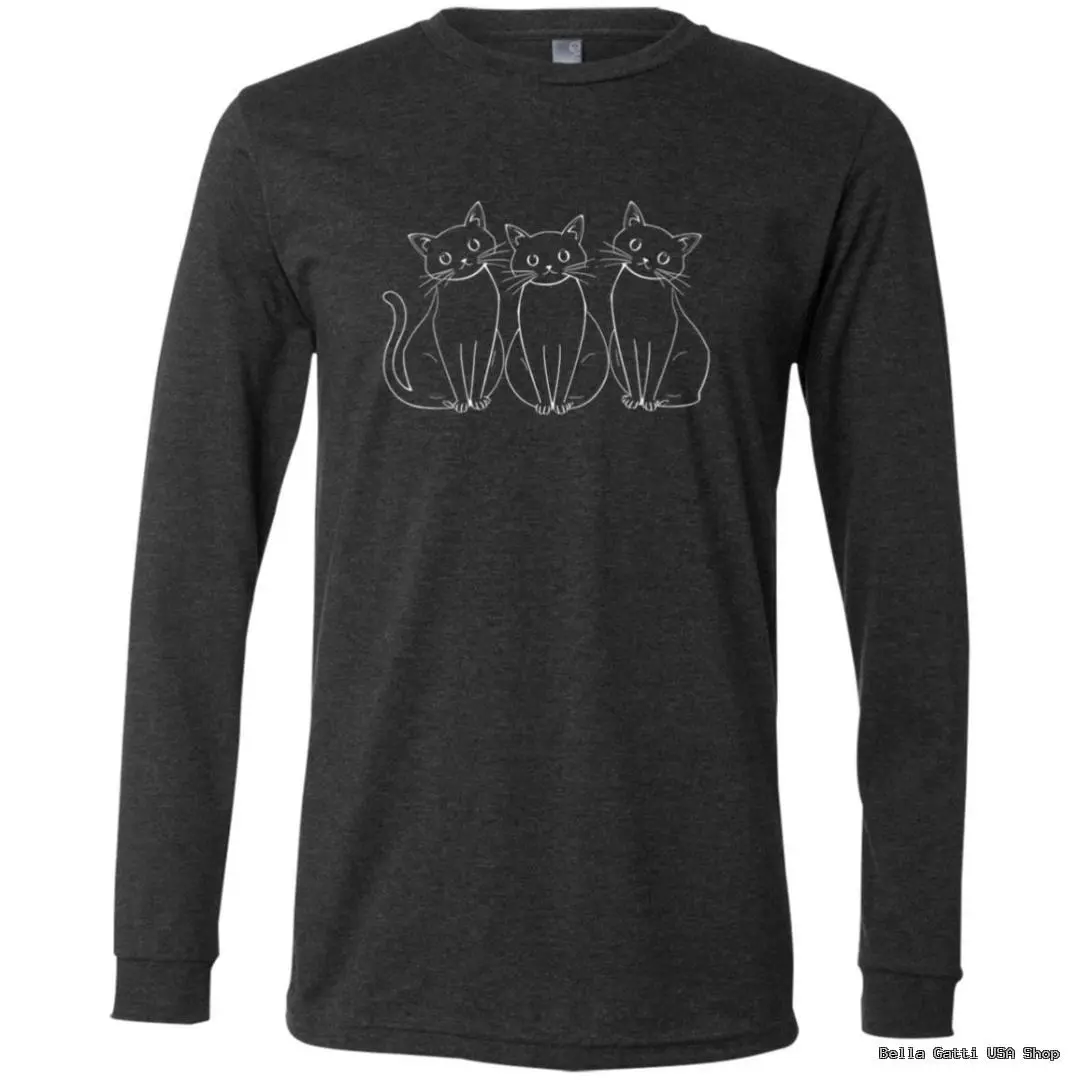
That is where Bella Gatti comes in. Imagine sinking into your couch, fully rested, sipping coffee, and enjoying the sheer comfort of our super soft cotton tees. Our apparel is designed for maximum relaxation, perfect for those moments when your *kitten* is finally, blissfully, snoozing on your lap instead of attacking your feet.
We believe that great *proper cat care* leads to great human comfort. Check out our collection of witty, descriptive graphic T-shirts, designed for the *cat-obsessed* who finally got a full night’s sleep.