
Kitten Adolescence: Your Cat’s Wildest Teenage Phase
- The Teenage Phase: Cat adolescence spans 6 to 18 months, characterized by extreme energy (“zoomies”), hormonal surges, and intense boundary testing (e.g., climbing counters, scratching furniture).
- Behavior Management: Control destructive behavior by scheduling 10-15 minute structured play sessions twice daily (ending with a “kill” and treat/meal). Invest in tall, sturdy scratching posts and ample environmental enrichment.
- Health & Diet: Spaying or neutering is crucial for managing hormonal behaviors (like spraying and vocalizing). Transition the cat from high-calorie kitten food to an adult maintenance diet around 10-12 months to prevent excessive weight gain.
- Parenting Strategy: Maintain strict, consistent routines for feeding and play to reduce anxiety. Use positive reinforcement and redirection exclusively; never use punishment, as it destroys trust.
Table of Contents
You survived the tiny kitten phase. Congratulations. You navigated the endless supply of purrs and the occasional adorable stumble.
Now, you face the real test: kitten adolescence. This is the period when your sweet little fluff ball transforms into a tiny, opinionated teenager.
We are talking about the 6 to 18 month sprint of pure, unadulterated chaos, otherwise known as the ‘Teenage Cat’ phase.
This guide prepares you for the midnight zoomies, the relentless boundary testing, and the sudden realization that your cat is now stronger than your curtains.
Get ready for the wildest ride. We will show you exactly how to survive this developmental stage, and maybe even enjoy it.
What Even Is Cat Adolescence?
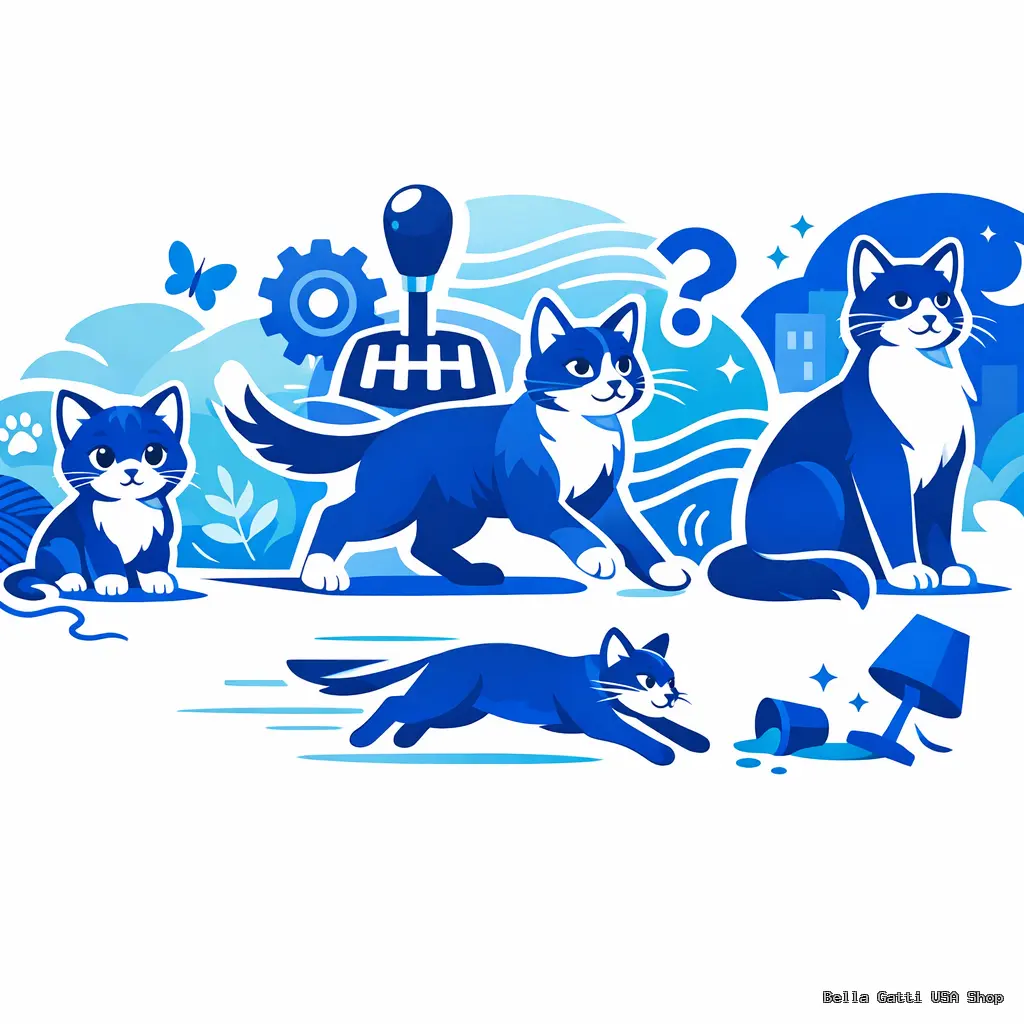
So, what exactly is this wild 12-month window? Cat adolescence is the essential developmental bridge between adorable kittenhood and full, majestic maturity.
This phase typically spans from six months up to eighteen months of age, and it is quite a ride.
Think of it as the feline equivalent of learning to drive a stick shift while simultaneously trying to understand existential philosophy.
It is confusing, loud, and often involves rapid bursts of speed across your living room floor.
Physically, your cat is nearing its adult size, they look like a grown-up. Behaviorally, however, they are still trying to figure out how the world works.
This usually involves testing every single boundary you have ever set, from kitchen counters to your patience.
This stage is absolutely critical. The behaviors you observe now, whether they are positive triumphs or destructive failures, heavily influence their adult personality.
“Adolescence is when cats truly discover their independence, which often translates to believing they are invincible and that scratching the sofa is performance art.”
Developmental Milestones: The Monthly Rollercoaster

Forget linear growth. Cat adolescence is a series of distinct, high-impact stages. Think of it less like a steady climb and more like a series of unexpected, energetic explosions.
Each phase brings its own unique challenges and, occasionally, rare moments of quiet contemplation before the next storm hits.
Months 6 to 8: The Energy Surge (The Hormonal Blitz)
Welcome to the initial explosion. Hormones are surging, growth plates are closing, and your cat suddenly develops the physical dexterity of a tiny ninja.
You will notice an immediate spike in activity. The famous “evening zoomies” transform from cute kitten bursts into a predictable, almost violent, ritual of chaos.
This timeframe also marks the arrival of sexual maturity.
If your cat is not yet spayed or neutered, prepare for the first signs of mating behaviors, spraying, territorial marking, or intense, operatic vocalizations.
Action Item: Schedule that spay/neuter surgery immediately. This is crucial for their long-term health and the preservation of your sanity.
Play becomes less careful and much more intense. They are practicing advanced hunting skills, and your hands or ankles may become the unfortunate targets of their training regime.
Redirection is absolutely key here. You must provide ample, appropriate outlets for those powerful, predatory urges.
Months 9 to 12: Behavioral Shifts and Boundary Wars
Physical growth tapers slightly, but the behavioral growth accelerates rapidly. This is where the personality truly starts to solidify.
Your cat is actively establishing their social hierarchy, both with you and potentially with any other resident pets.
Expect strong preferences. They might become wary of strangers or suddenly decide that only one specific household member is worthy of their affection.
Boundary testing is paramount. They know the rules about the kitchen counter, but they are checking today just in case you forgot to enforce it.
This phase demands consistent, firm, but gentle reinforcement. Do not surrender to the tiny tyrant’s demands.
They are also refining their communication skills. Start paying attention to the complex meows, chirps, and subtle body language signals.
In short: They are trying to talk to you. Listen closely, because they are likely complaining about the boring current toy selection.
Months 13 to 18: Approaching Adulthood (The Home Stretch)
Congratulations! By the time your cat hits their first birthday, they are technically considered an adult. But the adolescent behavior often lingers.
The good news? Energy levels start to stabilize. The frantic, wall-climbing zoomies transition into more focused, intentional play sessions.
Territorial behaviors, if not resolved earlier, may solidify now. Consistent routines are absolutely vital to provide security and minimize lingering anxiety.
You will see the refinement of their true personality. Are they a demanding lap cat? A stealthy hunter? A professional sunbather? This is where the adult identity forms for good.
Patience remains your superpower. Keep providing enrichment, maintain those routines, and celebrate the small, glorious victories, like when they scratch the post instead of the antique chair.
Dealing with Adolescent Cat Chaos (Behavior Management)
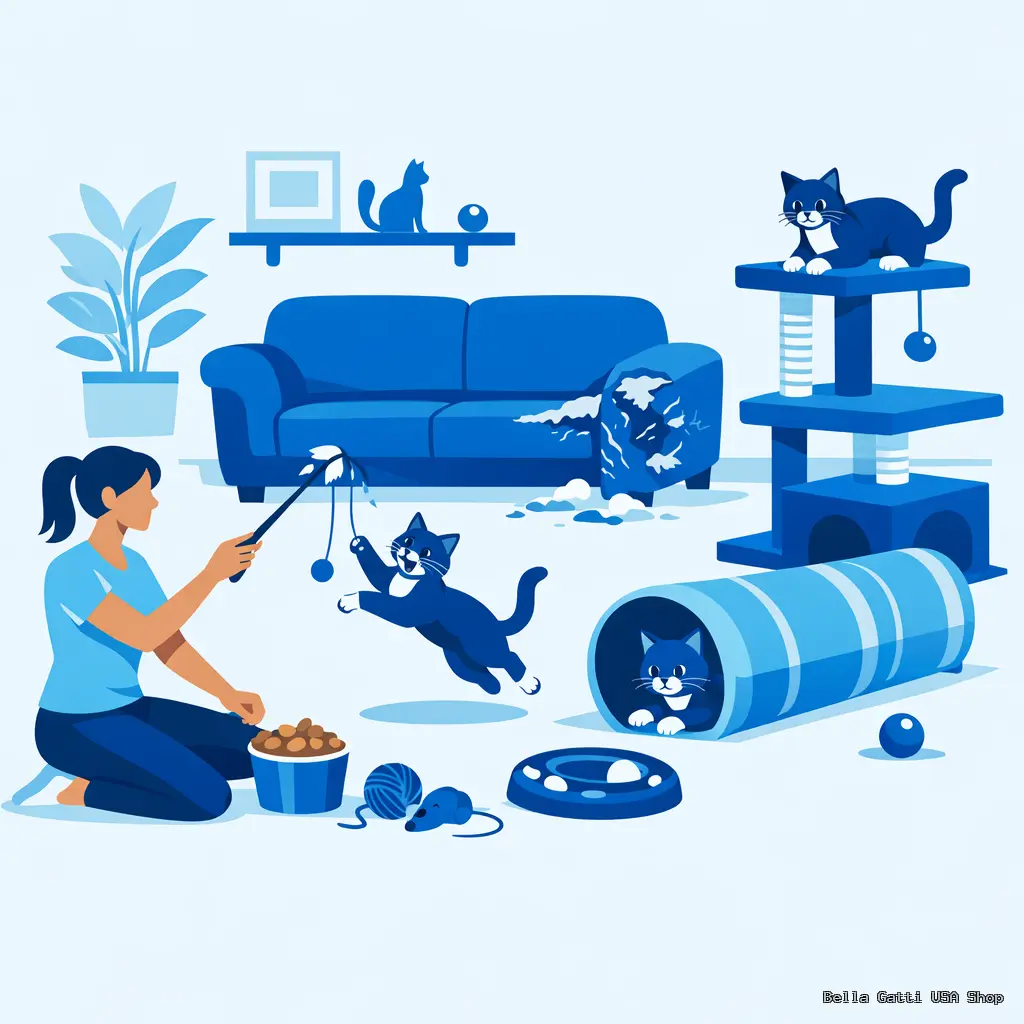
Managing an adolescent cat requires strategy, dedication, and yes, a shockingly large supply of high-quality treats.
The Zoomies and Destructive Play
Your adolescent cat is an athlete in training, whether you signed them up for it or not. They need intense, focused physical activity every single day.
When your couch starts looking shredded, remember this: the primary cause of destructive behavior is usually boredom and pent-up, teenage energy.
You must schedule structured play sessions. Aim for two sessions daily, lasting 10 to 15 minutes each. Use interactive toys like feather wands or laser pointers to simulate hunting.
Crucially, the session must end with a “catch” so the cat feels the satisfaction of the kill. Follow this epic hunt immediately with a meal or high-value treat to complete the natural predatory cycle.
Environmental enrichment is non-negotiable if you want to save your sanity (and your security deposit).
-
- Provide tall, sturdy cat trees for climbing and observation.
-
- Use puzzle feeders to engage their brain during mealtime.
-
- Ensure multiple scratching surfaces: vertical (posts) and horizontal (pads) are readily available.
In short: Make their environment far more interesting than your expensive leather sofa or that new rug.
Navigating Hormones: Spaying and Neutering
If you haven’t already taken the plunge, spaying (females) or neutering (males) is the single most effective way to manage the intense hormonal behaviors of adolescence.
These procedures significantly reduce or eliminate spraying, roaming, and inter-cat aggression linked to mating rivalry.
Bonus: For male cats, neutering drastically reduces the pungent, unpleasant odor associated with intact male urine.
Important caveat: While the procedure removes the hormones, it doesn’t instantly erase learned behaviors. If your cat has already been spraying for months, they may continue the habit purely out of routine.
Early intervention is always the best defense against these intense, territorial urges.
Nutrition and Health During the Growth Spurt

Your adolescent cat looks like a fully grown adult, but don’t be fooled, they are still building serious muscle and bone density. All that chaos requires quality fuel.
However, their nutritional needs are rapidly transitioning. They don’t require the same intense caloric intake they did at four months old.
Generally, between 10 to 12 months, your veterinarian will recommend waving goodbye to the ultra-high-calorie kitten formula and switching to a quality adult maintenance diet.
If you keep them on the kitten diet past this stage, you risk turning your sleek athlete into a fluffy potato. Adolescent cats are prone to unnecessary weight gain once the peak growth phase ends.
You need to monitor their body condition like a hawk. You should easily feel their ribs without pressing hard, and they must maintain a visible waistline (the feline equivalent of a six-pack).
Need a quick reference? Here is how the high-demand kitten phase compares to the unique challenges of the adolescent stage:
| Feature | Kitten (0–6 Months) | Adolescent (6–18 Months) |
|---|---|---|
| Energy Level | High, short bursts, frequent naps | Extreme, sustained energy required |
| Training Focus | Basic socialization, litter training | Boundary setting, redirection of aggression |
| Sleep Pattern | Frequent napping, 16+ hours total | Deep sleep, pronounced nocturnal activity |
| Nutritional Need | High calorie, growth focused | Moderate calorie, maintenance, weight control |
| Veterinary Checkups | Monthly until 6 months (vaccines) | Annual checkup, spay/neuter timing |
Since your cat is probably running marathons across your living room, hydration is absolutely crucial.
If they aren’t enthusiastic about the water bowl, incorporate wet food into their diet to ensure they get enough moisture.
Maintaining Your Sanity: Tips for the Cat Parent

Parenting an adolescent cat is not for the faint of heart. It requires the patience of a saint, the consistency of a drill sergeant, and a truly excellent sense of humor.
You survived the tiny phase, now let’s survive the terrifying phase.
The Power of Routine
Cats are creatures of habit. They thrive on predictability, especially when their hormones are running wild.
Establish fixed times for feeding, playing, and grooming. This structure is their anchor in the chaotic sea of adolescence.
A predictable schedule significantly reduces anxiety. Less anxiety means fewer stress-related behaviors, like excessive grooming or using your favorite rug as a litter box.
In short: Structure equals peace. Your cat needs a schedule more than you need coffee (and you need a lot of coffee right now).
Positive Reinforcement Only
When your cat is doing something truly outlandish, it’s tempting to yell. Don’t.
Cats do not associate yelling or physical punishment with the action they just performed. They only associate it with the person delivering the punishment, you.
This approach destroys trust and guarantees a fearful or aggressive adult cat later on.
Instead, embrace positive reinforcement. When they scratch the post or sit nicely, reward them instantly with high-value treats, praise, or affection.
If you catch them mid-crime, ignore the bad behavior (if safe) and redirect them immediately to an acceptable activity, like batting their favorite toy.
Understanding Aggression
Adolescent aggression is extremely common. It usually falls into two types: play aggression (hunting practice on your ankle) or territorial aggression.
If your cat attacks your hands or feet, you are likely the culprit. You probably taught them that hands are fun toys during their early kitten days.
Stop using your body parts for play immediately. Use only appropriate wands, lasers, or plush mice. Your hands are for petting, not pouncing.
If aggression is sudden or severe, especially if two formerly friendly cats suddenly become enemies, consult your veterinarian immediately to rule out pain or illness.
That said, sometimes, they are just teenagers being moody. Give them space, lots of enrichment, and remember that this phase is temporary.
Keep that sense of humor handy. You’ll need it until they hit 18 months.
Frequently Asked Questions
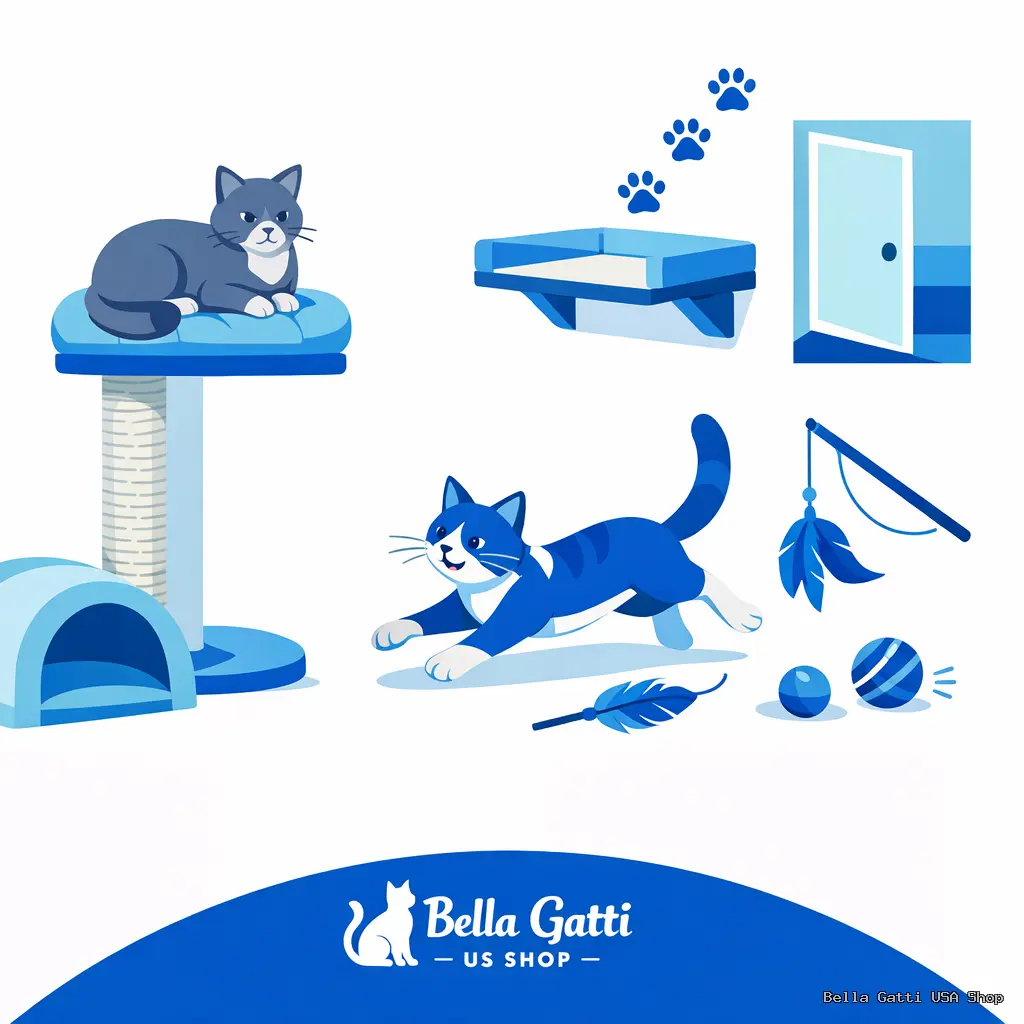
Adolescence is a chaotic time, and we know you have questions. Here are the answers to the most common queries we hear from parents surviving the 6-to-18-month sprint.
How do I stop my adolescent cat from attacking the older cat?
Your adolescent often views older, slower residents as either rivals or extremely boring playthings.
First, ensure the older cat has guaranteed escape routes and high, safe zones where they cannot be ambushed by the tiny menace. Increase structured play with the younger cat to deplete their boundless energy reserves.
No energy means no attack plan. If the aggression is serious, a temporary separation and slow, positive reintroduction using scent swapping techniques may be necessary.
Is it normal for my 10-month-old cat to suddenly ignore the litter box?
No. This is rarely a behavioral quirk and is almost always a sign that something is seriously wrong.
The most common causes are medical (such as a painful UTI or other illness) or severe stress leading to litter box aversion.
You must rule out medical issues with an immediate vet visit. If the health report is clear, assess the box environment: Is it clean enough? Did you change the type of litter? Is the box big enough for their new adult size?
When will my cat stop having the intense evening zoomies?
While the intensity usually mellows as they approach 18 months, remember that cats are naturally crepuscular. They are wired to be most active at dawn and dusk.
You can manage the evening rush by strategically scheduling your main, intense play session just before their usual zoomie time.
Follow that play session immediately with their largest meal. This mimics the natural hunt, catch, and feast cycle, which is the biological signal for resting and sleeping.
Do I need to change my cat’s scratching post now that they are bigger?
Absolutely. This is a critical investment if you value your furniture.
Adolescent cats need tall, sturdy scratching posts that allow them to stretch their full body length vertically.
If the post is wobbly or too short, they will quickly abandon it for the superior stability of your sofa cushions. Invest in quality, sisal-covered posts that can handle their adult weight and power.
The Final Word on Your Teenage Cat
So, you’ve survived the intense evening zoomies, the boundary-testing, and the sudden realization that your cat now requires a scratching post the size of a redwood.
This phase feels eternal, but we promise: the adolescent sprint is temporary. You are raising a creature that is simultaneously testing every known limit while seeking total reassurance.
Be consistent, stock up on high-value play toys, and breathe.
Take a deep breath and focus on the humor of the situation. After all, if you appreciate cats who express their personality loudly, we have a whole collection of funny slogan t-shirts that perfectly capture this opinionated spirit.
You got this. Soon, you will have a dignified, if wonderfully quirky, adult cat ready to settle into their role as household monarch.