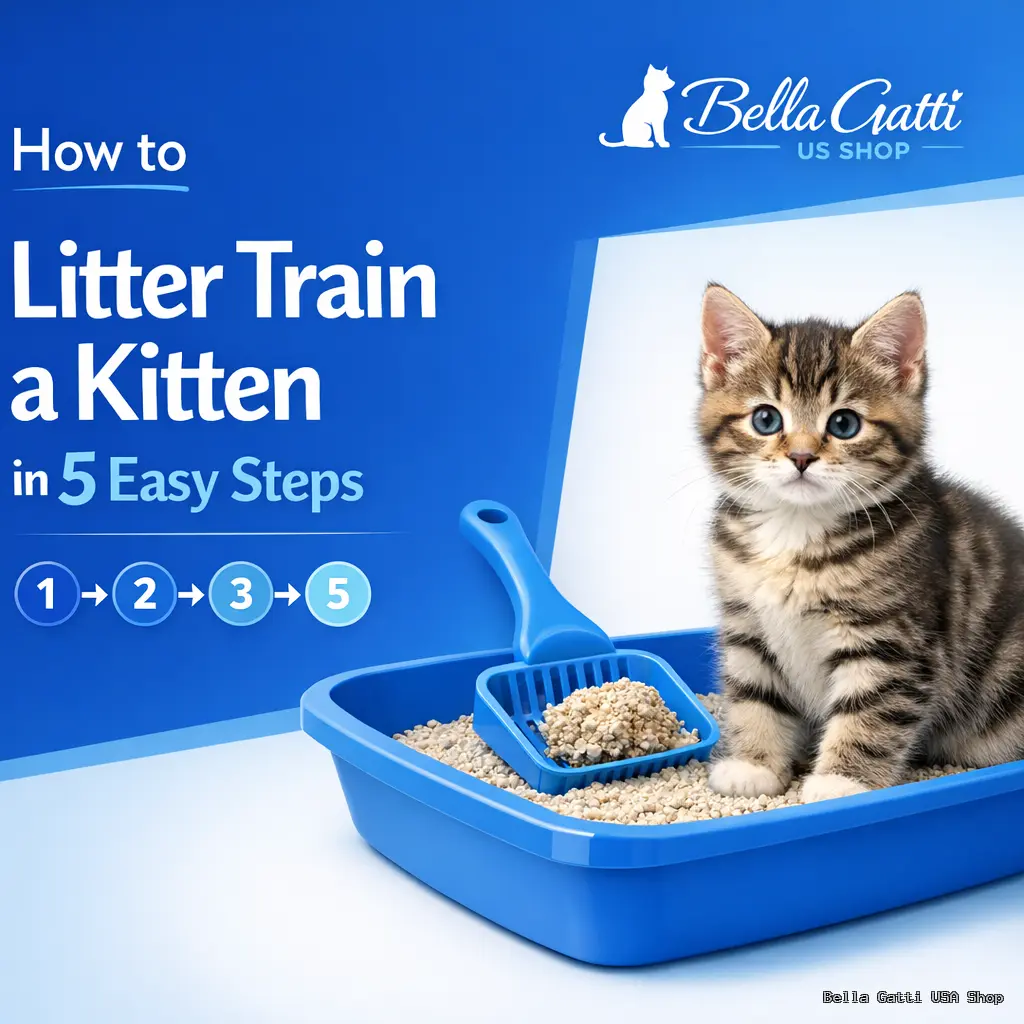
Mastering Kitten Litter Training in 5 Easy Steps
- Perfect the Setup: Use low-sided, accessible shallow trays and strictly non-clumping litter for kittens under 12 weeks old to ensure safety and easy entry.
- Time it Right: Start training immediately in a small confinement area (“base camp”). Utilize the Post-meal Placement Technique by placing the kitten in the box 5–10 minutes after eating or waking up.
- Positive Reinforcement Only: Gently encourage their natural Feline Instinct by guiding their front paws to scratch the litter. Never punish accidents; instead, clean thoroughly with an enzymatic cleaner and use praise for success.
- Troubleshoot Issues: Maintain a spotless box (scoop twice daily). If avoidance persists, rule out medical issues (like UTIs) first, and ensure you follow the ‘N+1’ rule (one box per cat, plus one extra).
Table of Contents
- Step 1: Prepping for Success with the Ultimate Litter Box Setup
- Step 2: Timing is Everything, When to Start Litter Training Kittens
- The Five Golden Rules: Mastering Kitten Litter Training Success
- When Feline Instinct Fails: Troubleshooting Litter Box Training Issues
- Troubleshooting 101: Solving Common Kitten Litter Training Issues
- Frequently Asked Questions
Bringing home a new kitten is pure chaos, the adorable kind. You’re ready for the cuddles, the midnight zoomies, and, of course, the obligatory photo shoot for Instagram.
That said, one essential task looms large in your initial kitten care checklist: mastering kitten litter training.
The good news is that litter training kittens is far easier than training a puppy. This is thanks to their natural Feline Instinct, which compels them to use their digging paws and bury their waste.
Whether you have a tiny baby kitten or a 10-week-old rescue kitten, we are here to help you nail this skill right from day one of kitten adoption.
Follow these five simple steps to flawless litter box training and ensure your little fluffball becomes a tidy roommate.
Step 1: Prepping for Success with the Ultimate Litter Box Setup

Before you even think about teaching your new kitten the ropes, you need the right gear. Trying to train a kitten without the proper setup is a one-way ticket to frustration and inevitable kitten accidents.
Our focus here is creating an inviting and accessible environment, a place where their natural Feline Instinct kicks in immediately. Think tiny palace, not giant dumpster.
A successful start to litter box training depends entirely on this initial setup. Let’s make sure your litter pan is perfect for those tiny paws and that the kitten care routine starts flawlessly.
Choosing the Right Litter Pan: Think Tiny Paws
If you’re attempting to litter train kittens, toss out the massive, high-sided boxes you use for your adult cats. Baby kittens are short, and they need a low barrier to entry.
Accessibility is non-negotiable, especially for a rescue kitten or one under 10 weeks old. You want ultra shallow trays, perhaps a repurposed baking sheet or a dedicated, low-rimmed Litter pan designed specifically for ease of access.
If you are dealing with a very young new kitten, remember that ease of entry encourages the crucial kitten instinct to use their digging paws and cover their waste.
Selecting the Perfect Training Litter
Next up: the substrate. The type of Training litter you choose is critical for safety. For baby kittens under 12 weeks old, clumping clay is a definite no-go.
Why? If they clean their paws and ingest the clumping material, it can cause dangerous internal blockages. This is a critical safety step in early kitten care.
Many experienced foster parents, often discussing best practices on sites like r/CatAdvice or recommended by experts like the Kitten Lady, strongly suggest fine-grained, non-clumping options initially.
Look for trusted brands. Dr. Elsey’s offers excellent kitten-specific formulas, and ARM & HAMMER provides reliable, low-dust options that manage odor effectively without harsh perfumes. This is essential for successful kitten litter training.
Litter Type Comparison for Initial Litter Training
Here is a quick comparison of popular litter types to help you decide on the best choice during your initial kitten adoption phase:
| Litter Type | Best For | Pros | Cons for Baby Kittens |
|---|---|---|---|
| Clay (Non-Clumping) | Very young kittens (under 8 weeks) | Safe if ingested, mimics natural soil | Needs frequent changing, heavy |
| Clumping Clay | Kittens 12 weeks old and older | Excellent odor control, easy scooping | Dangerous if ingested by baby kittens |
| Paper Pellets | Sensitive kittens, post-surgery | Dust-free, highly absorbent | Texture may deter Feline Instinct |
| Wood/Pine | Eco-conscious owners | Natural scent, sustainable | May be too large/hard for tiny digging paws |
Step 2: Timing is Everything, When to Start Litter Training Kittens

When should you officially begin to teach your little furball how to litter train? The exact moment your new kitten crosses your threshold. No waiting, no exceptions.
Ideally, baby kittens start engaging in litter box training around four weeks old. This is often thanks to fantastic mama cat training, where they learn by watching their mother.
Their innate Feline Instinct to bury waste usually kicks in early, making the process smoother if you have the right setup (as discussed in Step 1).
Kitten Age and Ethical Adoption
If you are dealing with a rescue kitten or a kitten foster, they might need a bit more dedicated guidance than those raised by a full-time mama cat.
Reputable organizations often adhere to Minimum Adoption Age Requirements. This means your kitten should be at least 10 weeks old, if not closer to 12 weeks old, ensuring they have adequate time for kitten socialization and basic life skills.
By this kitten age, they are generally ready for intense litter box training, though consistency is key.
The Acclimation Phase
The first 48 hours are crucial for your new kitten. We call this the Acclimation to New Environment phase, and it’s critical for successful Litter Training.
Keep the kitten in a small, safe, designated space, a “base camp” like a bathroom or a large crate. This minimizes stress and provides security.
This strategy keeps the litter pan easily accessible, dramatically reducing the chance of early kitten accidents. If the litter box is right there, they have no excuse not to use it!
The Five Golden Rules: Mastering Kitten Litter Training Success

This is where the real fun, and the essential work, begins. Remember, successful Litter Training relies heavily on positive reinforcement and respecting your kitten’s powerful Feline Instinct to keep their area clean.
If you follow these five steps consistently, you’ll be celebrating a successful transition quicker than you can finish your morning coffee.
Step 1: Confine and Perfect the Litter Pan Setup
Upon the arrival of your new kitten, immediately place them into a small, designated confinement room. This is crucial for their Acclimation to New Environment.
This cozy space must contain their bed, Kitten food, water, and, most importantly, the litter pan.
Use a small, easily accessible container, like shallow trays, so even the smallest baby kittens can climb in and out effortlessly.
Show them the litter box first. Gently place them inside and let them sniff around. This establishes the location right away and makes it impossible for them to fail.
Step 2: Utilize the Post-meal Placement Technique
This is arguably the most effective tool in your kitten care arsenal. Young kittens are highly predictable: they often need to eliminate shortly after kitten eats or immediately after they wake up.
You must use this natural timing to your advantage when you train a kitten.
About five to ten minutes after kitten eats, pick them up and place them directly in the litter pan. This is known as the effective Post-meal Placement Technique.
If they start crouching, circling, or sniffing around outside the box, gently redirect them immediately back to the proper location.
Step 3: Encourage Digging with the Front Paws Method
We need to activate that inherent Feline Instinct to bury waste. Once the kitten is safely in the litter box, gently take one of their front paws.
Use their tiny digging paws to scratch the litter surface a few times. This simple motion is called the Digging with Front Paws Method.
It shows them exactly what the litter is for: digging and covering their tracks.
As expert animal advocate Adam Myatt, known widely as Kitten Lady, often emphasizes on his YouTube and Instagram channels, this gentle digging motion helps trigger the kitten’s natural impulse to use the litter pan for elimination. It’s a subtle, non-punitive cue.
Step 4: Consistency, Cleanliness, and Scent Trail Utilization
Consistency is non-negotiable for successful litter box training. Always use the same type of low-dust Training litter and keep the box location fixed initially.
Crucially, the litter box must be spotless. Kittens, like all cats, hate using a dirty bathroom. Scoop at least twice daily.
If your kitten has a minor kitten accident outside the box, never scold or punish them. Simply clean the area thoroughly with an enzymatic cleaner to eliminate odor traces.
If you find soiled material, you can use the Scent Trail Utilization technique. Place a tiny amount of the soiled litter or waste into the clean litter pan.
This subtle scent helps them associate the proper scent with the proper location. For an extra boost, consider using specialized products like Dr. Elsey’s Cat Attractant Products in your Training litter.
Step 5: Expanding Territory and Kitten Socialization
Once your kitten is consistently using the box for about a week, ideally around 10 weeks old or 12 weeks old, you can start expanding their space.
This transition is a key part of the broader Kitten Socialization period.
Introduce more rooms gradually, but ensure they always have a clear, easy path back to the established litter box.
When you expand to a larger area, introduce a second litter box. The golden rule of thumb for litter box training is usually one box per cat plus one extra. Keep the extra box as a backup during this critical training phase.
When Feline Instinct Fails: Troubleshooting Litter Box Training Issues
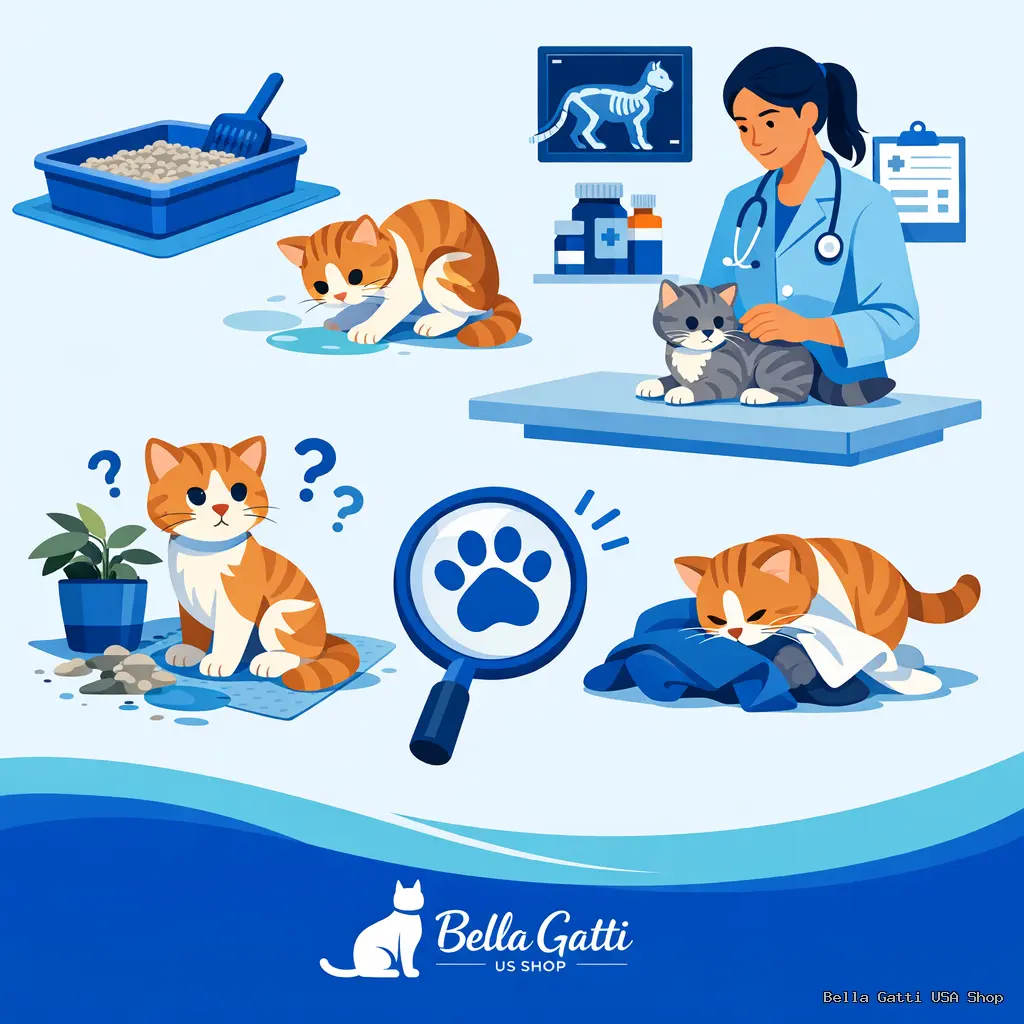
You followed the steps, you used the shallow trays, and you set up the litter box perfectly. But sometimes, even the best plans for kitten litter training hit a snag.
If your new kitten starts having kitten accidents outside the litter pan, don’t panic. This is usually solvable, but we need to investigate the cause quickly.
Rule Out Medical Issues First
If you have checked the setup and the avoidance persists, stop what you are doing and call the vet. Never assume the issue is purely behavioral.
A urinary tract infection (UTI), bladder stones, or other medical problems can cause sudden litter box avoidance, making the act painful. If your vet gives you a clean bill of health, then we look back at behavior.
Why the Sudden Avoidance? Checking the Litter Box Setup
Avoidance is almost always a sign that the kitten is unhappy with the setup. Remember, a kitten instinctually wants to use the litter box.
-
- Is the box clean? If it’s too dirty, they will seek a cleaner spot (like your favorite laundry pile).
- Is the litter type acceptable? Rough litter can be painful on small digging paws.
- Are you using the right amount of litter? Young baby kittens prefer a thinner layer in shallow trays.
- Is the location quiet? If the litter pan is next to a washing machine, the noise can scare your kitten away from using it consistently.
- Are you using the right training litter? Sometimes a specific formula, like Dr. Elsey’s Cat Attractant or specific scents from ARM & HAMMER, can help reinforce the Feline Instinct to eliminate there.
The Impact of Early Separation: Mama Cat Training
A common issue, especially with a rescue kitten or a kitten adoption that occurred too early, is a lack of mama cat training.
A kitten learns how to litter train by observing its mother. If they were separated before 10 weeks old (ideally closer to 12 weeks old), they might not have fully internalized the burying skill.
If this is the case, you may need to manually reinforce the action longer. Gently guide the kitten’s front paws to scratch the litter after they go (the Digging with Front Paws Method).
This early separation impacts Kitten Socialization and crucial life skills like using the litter pan correctly.
Learning from the Experts (Kitten Care Resources)
If the vet gives you a clean bill of health, and you’ve adjusted the setup, then it’s time to consult the professionals in kitten care.
The renowned Kitten Lady, Hannah Shaw, for example, offers fantastic tips on her YouTube channel and Instagram, especially concerning kitten foster situations and complex behavioral cases.
You can even find specialized gear and resources linked on her bigcartel shop.
Leveraging the Collective Cat Wisdom
Solving persistent litter box training problems sometimes requires tapping into the collective wisdom of dedicated feline owners.
Excellent advice often circulates on community forums, such as dedicated Facebook groups or threads on r/CatAdvice. The shared experience is huge for solving unique kitten accidents and behavioral mysteries when you train a kitten.
Remember that mastering litter box training takes patience, but consistency and positive reinforcement will ensure you successfully litter train kittens.
Troubleshooting 101: Solving Common Kitten Litter Training Issues
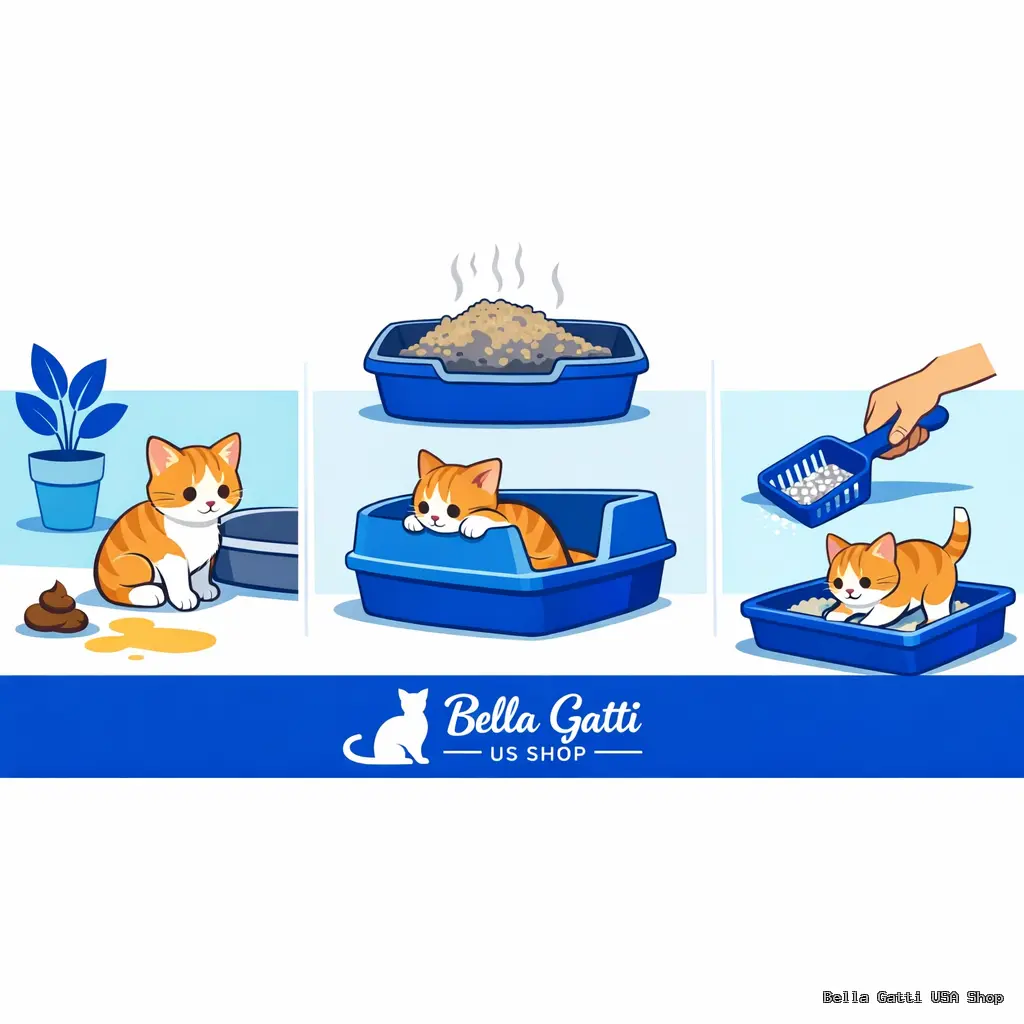
Okay, so you’ve done the initial check and know your new kitten is healthy. If those pesky kitten accidents are still happening outside the designated area, it’s time to fine-tune your approach.
Sometimes, even the strongest Feline Instinct needs a little nudge. Here is a quick look at how to tackle the most frequent snags during successful litter box training.
| Problem | Potential Cause | Quick Fix |
|---|---|---|
| Going right outside the box | Box is too dirty or too high for a small new kitten. | Scoop immediately; switch to Shallow Plastic Trays. Try a specialized Training litter like Dr. Elsey’s. |
| Not digging/covering waste | Lack of Feline Instinct reinforcement or unfamiliar substrate. | Actively reinforce the Digging with Front Paws Method right after kitten eats. |
| Eliminating in corners | Stress, too much space too soon, or dislike of the current litter pan location. | Return to the confinement area; use Cat Attractant Products in the designated litter pan to redirect. |
| Hiding after elimination | Fear or potential pain (medical issue). | Vet check immediately. Ensure a quiet, safe litter box location, critical for sensitive baby kittens. |
When you train a kitten, patience isn’t just a virtue, it’s the secret ingredient. You are providing essential kitten care during a major life transition.
They are learning a brand new world! Celebrate the successes, even the tiny ones, and remember that consistent Litter Training leads to a happy, well-adjusted cat.
Frequently Asked Questions
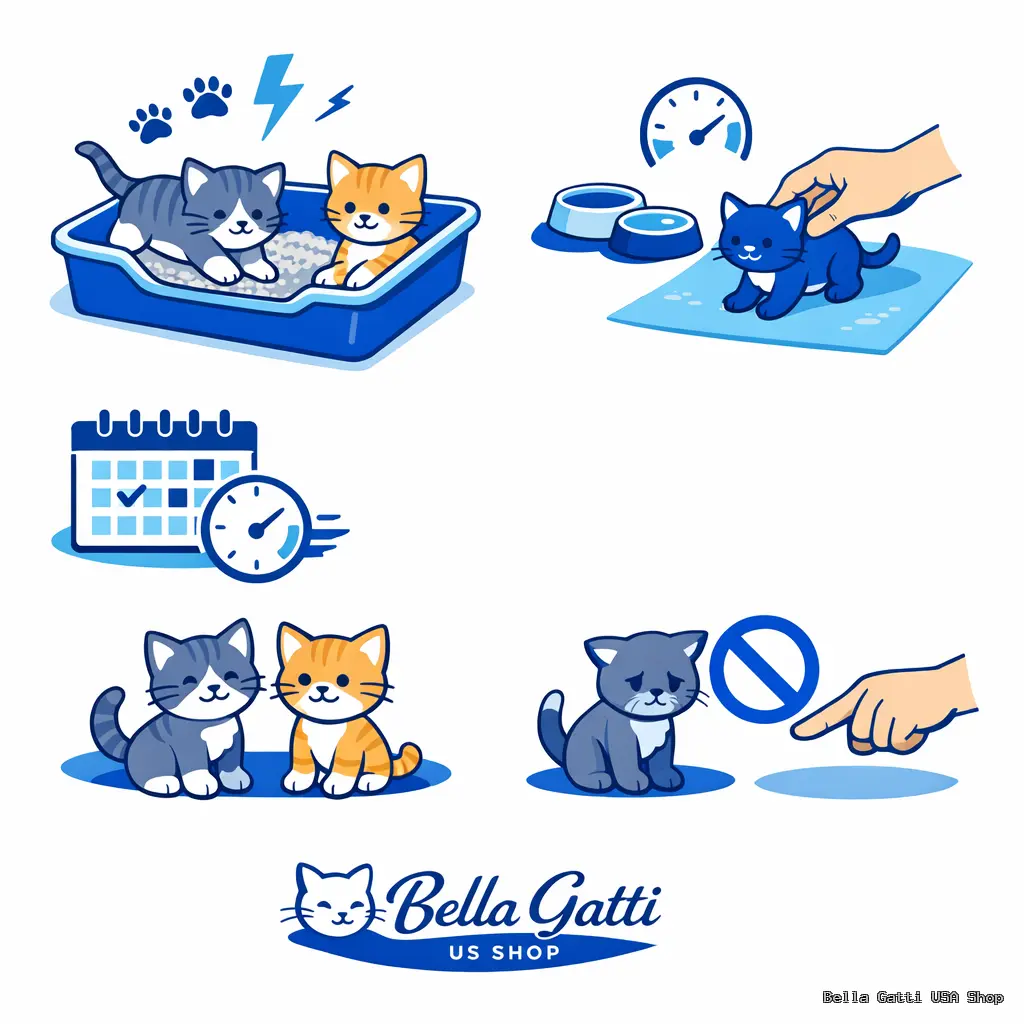
How quickly can I litter train kittens?
The good news is that litter training kittens is usually a lightning-fast process! Thanks to their powerful Feline Instinct, most baby kittens, especially those older than 8 weeks, are naturals.
Many pick up litter box training within a day or two of proper instruction. To really speed things up, consistently use the Post-meal Placement Technique. This technique capitilizes on the natural timing of their bathroom breaks!
Should I punish my kitten if they have kitten accidents?
Hard stop! Absolutely not. Punishment, especially outdated methods like rubbing their nose in the mess, is counterproductive and harmful. You’re teaching your new kitten to fear you, not the mistake.
If a kitten accident occurs, clean it immediately and thoroughly with an enzyme cleaner to eliminate the scent. Then, gently place the kitten in the litter box to remind them of the correct location.
Remember: Positive reinforcement is key when you train a kitten. Use praise and small treats when they successfully use the litter pan.
What is the best training litter for a rescue kitten?
When dealing with a sensitive rescue kitten, especially if they are under 12 weeks old or their history is unknown, simplicity is best.
Start with a simple, unscented, non-clumping clay or paper pellet training litter. Recommended brands often include Dr. Elsey’s or the unscented options from ARM & HAMMER.
Avoid strong perfumes or heavy scents. These can be overwhelming and deter your sensitive new kitten from using the designated litter pan.
How many litter boxes should I set up for my new kitten?
The standard rule for excellent kitten care is the ‘N+1’ rule: one litter box per cat, plus one extra. For your solo new kitten, this means you need at least two.
Start by using small, shallow trays in their initial confinement area. As you expand their territory, ensure a second litter box is placed in the new main living space.
Easy access is crucial! Having multiple spots prevents confusion and significantly reduces the chance of frustrating kitten accidents.
Where can I find expert resources on kitten foster care and kitten adoption?
If you are exploring kitten foster care or preparing for kitten adoption, you are in luck, the internet is full of fantastic resources!
Start with the legendary Kitten Lady. Her website, detailed YouTube channel, and active Instagram feed offer unparalleled guidance on everything from tube feeding to critical Kitten Socialization protocols.
For real-time support, check out online communities. Groups on Facebook and the sub-reddit r/CatAdvice are excellent places to ask questions and get support from experienced rescuers.