Table of Contents
You stand in the pet food aisle. It is a terrifying place.
A dizzying array of bags and cans promise everything from “holistic wellness” to “ethically sourced ingredients.” Your feline overlord demands the absolute best, but reading those pet food labels feels like deciphering ancient regulatory compliance texts.
We understand the panic. As dedicated cat parents, we strive for optimal health for our furry roommates without falling for every shiny pet food marketing trick pet food companies deploy.
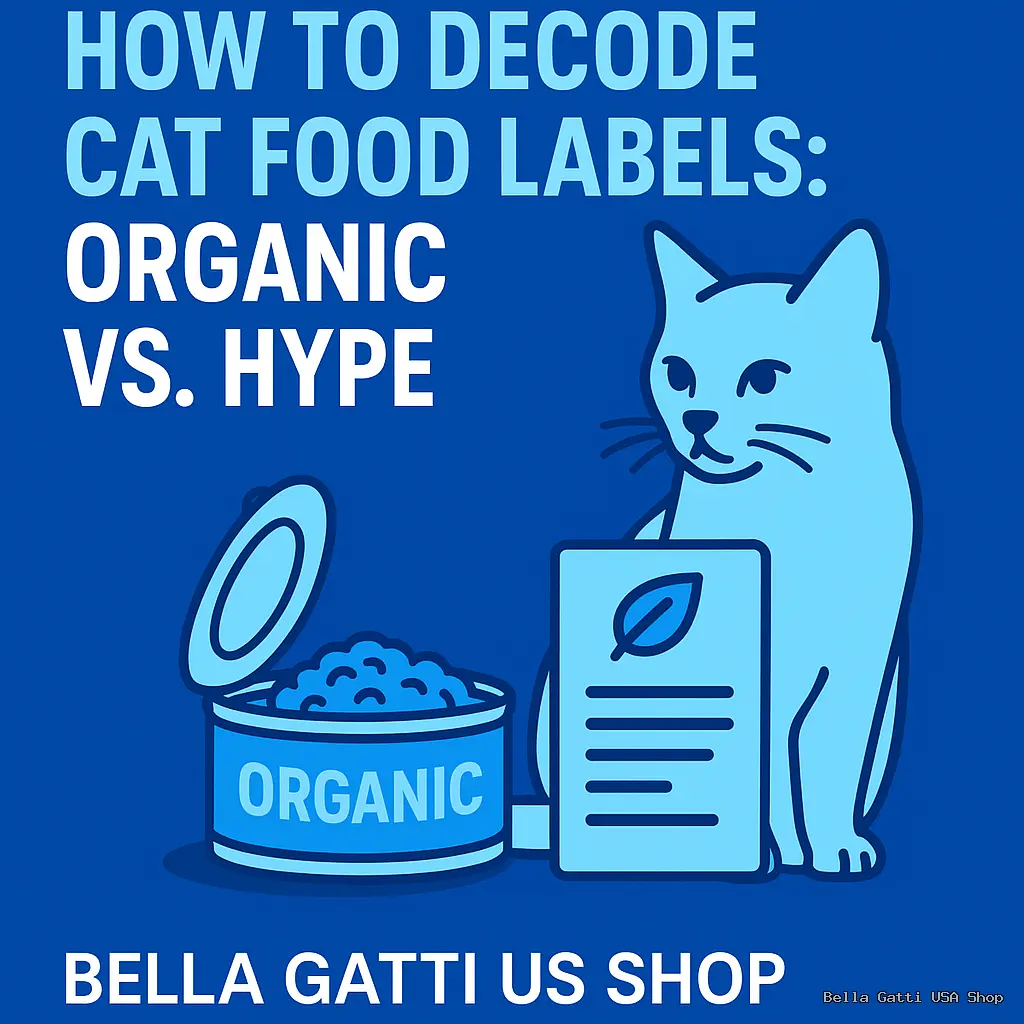
Terms like “organic,” “natural pet food,” and “human grade” are thrown around constantly. How do you sort the true quality from the expensive hype?
This is your essential, practical manual for learning how to read pet food labels like an expert.
We will define the buzzwords, teach you the Five-Ingredient Rule, and show you how to find the critical AAFCO statement (the true sign of quality, regardless of the flashy packaging).
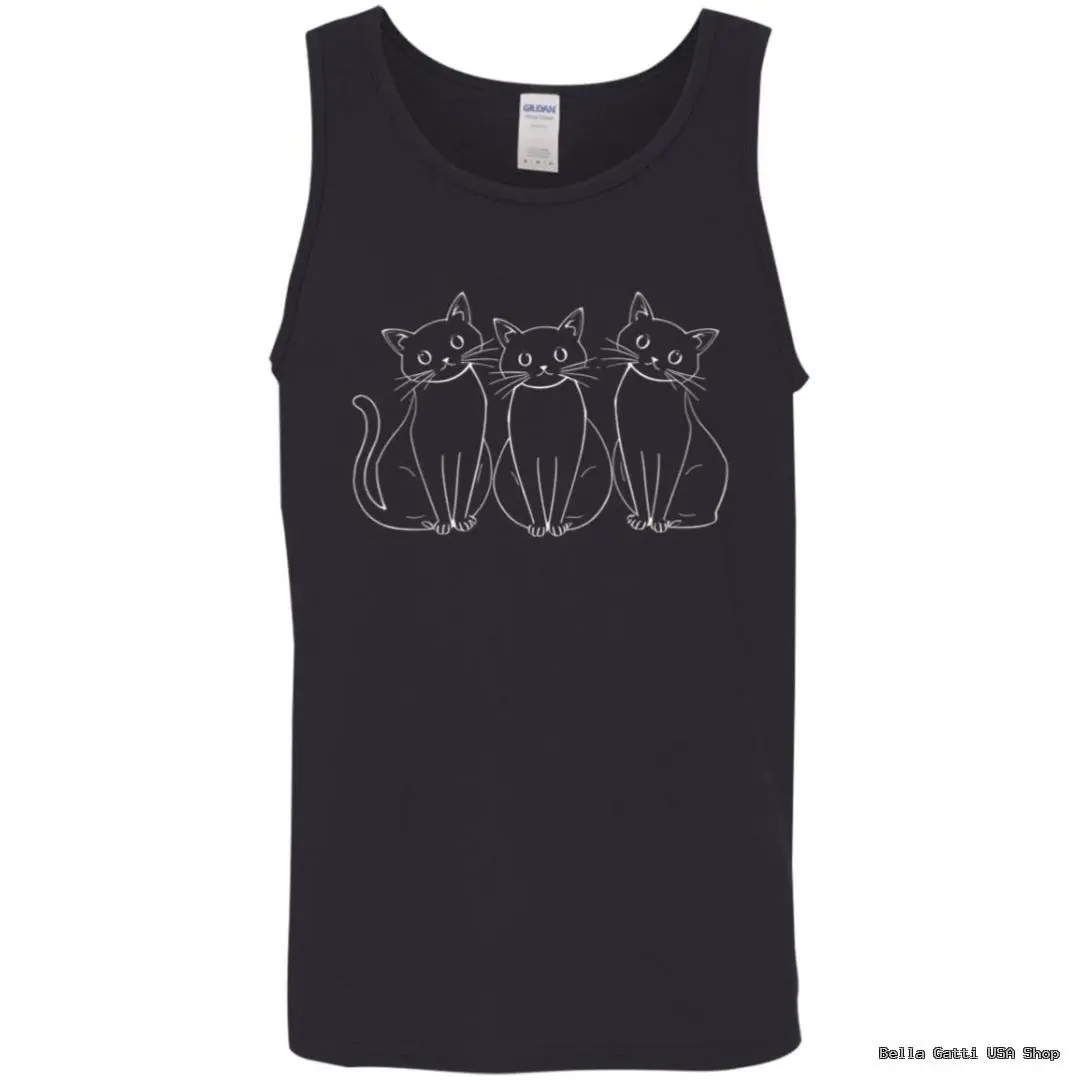
Put on your favorite soft cotton tee from Bella Gatti, grab a strong cup of coffee, and let us expose the secrets hidden in the fine print.
Expert Insight
“While they must meet regulatory guidelines, pet food labels generally fail miserably at providing the information that every pet owner and veterinarian is actually looking for.”, says Tufts Petfoodology
Section 1: Decoding the Hype and Misleading Marketing Terms
The front of the bag is where pet food companies unleash their most potent marketing magic. Terms like “Natural,” “Organic,” and the coveted “Human Grade” are designed to soothe the anxieties of dedicated cat parents.
These glamorous pet food labels appeal directly to your desire for your feline overlord’s optimal health. But do they actually guarantee quality?
In short: Often, less than you think.
The Art of Misleading Marketing Terms
Many common pet food labels use language that has surprisingly little legal weight. You need to look past the beautiful packaging (as experts like Ingrid King of The Conscious Cat often remind us) and focus on the cold, hard facts of regulatory compliance.
The visual appeal of these labels is designed entirely for the human buyer, not the cat.
Let us break down the most popular misleading marketing terms used in pet food marketing.
| Term |
Factual Context/Legal Meaning |
Key Takeaway for Cat Parents |
| Natural Pet Food |
Must contain no artificial colors, flavors, or preservatives. |
This term refers only to the absence of artificial additives. It says nothing about the overall quality of the ingredients list or nutritional value. |
| Organic |
Must contain at least 95% certified organic ingredients (excluding water and salt) and carry the USDA organic seal. |
This is a reliable, legally defined term for sourcing. However, remember that “organic corn” is still corn, and your obligate carnivore needs meat. |
| Made With Organic Ingredients |
Must contain a minimum of 70% organic ingredients. |
A lower threshold. It indicates commitment to sourcing, but check the ingredients list to ensure the remaining 30% is high-quality protein. |
| Human Grade |
This term has no official regulatory definition unless the food is produced in a facility that also produces human food, ensuring regulatory compliance. |
This implies a high standard of quality and handling. If a brand, like Darwin’s Natural Pet Products, claims this, verify their production facility source. |
Beware Marketing Hype: Organic vs. Natural
While “Organic” requires specific USDA certification and regulatory compliance, the term “Natural pet food” is far more vague. It is a classic misleading marketing term used by pet food companies to make you feel better about your purchase.
The distinction is vital: If you are looking for higher quality sourcing, “Organic” is regulated (95% organic ingredients), but “Natural” only confirms the absence of artificial additives.
The true mark of quality is not found in these buzzwords on the front of the bag, but in the actual ingredients list and the AAFCO statement on the back. That is where we separate the marketing hype from the quality required for your cat’s optimal health.
Expert Insight
“The distinction between marketing hype and nutritional reality is found not in vague front-label terms, but in the regulated AAFCO statement and the ingredient list, which legally mandates ingredients be displayed from most to least by weight.”, states an Industry Analyst
Section 2: The Five-Ingredient Rule: Unmasking the Truth on Cat Food Labels
The front of the bag is designed by pet food companies to soothe your anxiety. The back? That’s where the facts live, far away from the pet food marketing hype.
The true test of quality lives in two places: the ingredients list and the guaranteed analysis. As dedicated cat parents, you must learn to read pet food labels like a detective.
Ingredient Listing: The Descending Weight Order Secret
Focus intensely on the first five ingredients. These are the heavy hitters, constituting the majority of the food by volume and weight. By regulatory compliance, the ingredients list is structured in descending weight order.
For your feline overlord, who is a strict obligate carnivore, the first few ingredients absolutely must be meat based proteins. Look for named sources like “chicken,” “salmon,” or “lamb meal.”
A Note on Moisture Content: The Weight Game
This is a common trick pet food companies use. Fresh meat (e.g., “chicken”) is high in moisture content, around 80% water. This water weight can artificially push it to the top of the list.
Meat meals (e.g., “chicken meal”) have had most of the moisture removed. If “chicken meal” is listed first, it often provides a denser concentration of crude protein.
Identifying Fillers and the By-Product Debate (Jackson Galaxy Check)
To ensure optimal health, you want to minimize common fillers like corn, soy, wheat, or rice, especially when they appear high up in the first five ingredients.
These cheap sources of calories contribute to a high carb diet, which is unnatural for the feline diet.
What about the Meat By-products Definition? Experts like Jackson Galaxy note that by-products are not inherently evil. They can include nutritious organ meats and bone, which are highly digestible.
However, if the label lists vague terms like “meat by-products” without specifying the source, the quality is questionable. Always prioritize specific animal proteins over vague terms.
The Guaranteed Analysis: True Nutritional Value
Forget the glamorous promises; the guaranteed analysis is where you find the true nutritional value. This required breakdown lists minimums for protein and fat, and maximums for fiber and moisture content, helping you understand pet food labels.
The label must list:
- Minimum crude protein percentage.
- Minimum crude fat percentage.
- Maximum crude fiber percentage.
- Maximum moisture content.
Calculating Carbohydrates and the Dry Matter Basis
This is the advanced level of decoding cat food labels, crucial for comparing wet food and dry food accurately. Canned foods typically have high moisture content (75% to 78%), while dry kibble is low (10% to 12%).
To accurately compare the crude protein percentage between the two, you must convert the percentages to a dry matter basis. This involves dividing the nutrient percentage by the percentage of dry matter (100% minus the moisture content).
Pet food labels are not required to list carbohydrate content, but you can estimate it. The total of all listed components plus the ash content (often estimated around 6% to 8% for dry food) must equal 100%.
Use this simple formula for rough calculating carbohydrates:
100% – (Crude Protein % + Crude Fat % + Crude Fiber % + Moisture % + Estimated Ash %) = Estimated Carbohydrate %
Dr. Jean Hofve emphasizes that a high percentage of carbohydrates in the feline diet can be detrimental, potentially contributing to degenerative feline diseases like diabetes and kidney issues.
As obligate carnivores, your cat thrives on meat-based diets low in carbs. Aim for a carbohydrate percentage under 10% for wet food, if possible, to ensure optimal health.
Expert Insight
“A high percentage of carbohydrates in the feline diet can be detrimental, potentially contributing to degenerative feline diseases like diabetes and kidney issues. As obligate carnivores, cats thrive on meat-based diets low in carbs.”, explains Dr. Jean Hofve, DVM
Section 3: The AAFCO Check: The True Mark of Nutritional Adequacy
You’ve mastered the ingredients list and calculated the carbohydrate content from the Guaranteed Analysis. Now for the final boss of decoding cat food labels: the AAFCO statement.
Forget the fancy pictures, the promises of “Natural Pet Food,” and the flowery descriptions. The single most important piece of regulatory compliance on the entire label is the one concerning the AAFCO statement.
AAFCO stands for the American Association of Feed Control Officials. While they don’t regulate or approve foods directly, this organization sets the gold standard for nutritional profiles and safety guidelines in the US. They are the rulebook pet food companies must follow.
The Two Tiers of AAFCO Compliance
When you read pet food labels, you are looking for a statement confirming the food is nutritionally adequate for your feline overlord’s optimal health.
The AAFCO statement indicates the food’s intended life stage and nutritional profile. However, not all compliance statements are created equal. As experts in feline diet, such as Dr. Jean Hofve and Jackson Galaxy, often stress, the difference between these two statements is crucial:
- Tier 1: “Formulated to meet the nutritional levels established by the AAFCO Nutrient Profiles.” This means the manufacturer used a recipe that matches AAFCO’s nutrient minimums (a desk calculation based on the ingredients list). This is common and acceptable, but it is not the gold standard.
- Tier 2 (The Gold Standard): “Animal feeding tests using AAFCO procedures substantiate that [Product Name] provides complete and balanced nutrition.” This is what you want to see. It means the food was actually fed to a group of animals under controlled conditions (known as feeding trials) proving its nutritional efficacy via real-world results. This confirms true nutritional adequacy.
If you see a statement like “For Intermittent or Supplemental Feeding Only,” put the bag down immediately. That food is not complete and balanced, and feeding it exclusively will sabotage your cat’s optimal health.
Life Stages: ‘All Life Stages’ vs. ‘Adult Maintenance’
The AAFCO statement will also specify the appropriate life stage, ensuring the food meets the unique demands of your cat.
‘Adult Maintenance’ is formulated for healthy, non-reproducing adult cats. It has the appropriate balance of crude protein, crude fat, and other nutrients for a typical, couch-dwelling feline.
‘All Life Stages’ is formulated to meet the higher nutrient demands of growing kittens and pregnant or nursing cats. While safe for adults, this food tends to be richer in calories and specific nutrients required for growth. If your adult cat is sedentary, an ‘All Life Stages’ food might contribute to weight gain.
Always ensure the AAFCO statement aligns perfectly with your cat’s specific needs, confirming true nutritional adequacy, regardless of whether the pet food marketing calls it “organic” or “human grade.”
Frequently Asked Questions (The Rapid-Fire Round)
What is the most common ingredient mistake cat parents make?
Many cat parents prioritize dry kibble because it is convenient. However, dry food is often extremely low in moisture content (around 10%) and dangerously high in carbohydrate content.
Since cats are true feline obligate carnivores, their bodies are designed to process meat-based proteins and crude fat, not high-carb fillers. Veterinarians like Dr. Jean Hofve warn that this high carb diet contributes significantly to degenerative feline diseases, including diabetes and kidney issues. Always prioritize high-moisture canned foods for optimal health.
How can I compare the crude protein percentage in wet and dry food?
You must convert the guaranteed analysis to a dry matter basis. This is the only way to accurately compare nutrient density across different food formats, regardless of moisture content.
For example: If a wet food lists 80% moisture content and 10% crude protein, the dry matter protein is calculated by dividing the protein percentage by the total dry matter (100% minus moisture). So, 10 / (100 – 80) = 50% dry matter protein. This carbohydrate content calculation is crucial for understanding the true crude protein percentage your obligate carnivore is consuming.
Are ‘meat by-products’ always bad ingredients?
No, not always. Pet food marketing has successfully made ‘meat by-products’ sound undesirable, but these can often contain highly nutritious organ meats like liver and heart, which provide essential vitamins and amino acids for optimal health.
The key is specificity. Look for reputable pet food companies, such as Darwin’s Natural Pet Products, that specify the quality and source of these ingredients. Vague ingredient listing is the real red flag, not the presence of by-products themselves.
Does Jackson Galaxy recommend grain-free food?
Jackson Galaxy and The Conscious Cat founder Ingrid King emphasizes that cats, as feline obligate carnivores, require low-carbohydrate, high-protein diets. The “grain-free” label is often just pet food marketing hype.
Many grain-free formulas replace grains with other high-carb starches like potatoes, peas, or tapioca, resulting in the same undesirable carbohydrate content. Always perform the carbohydrate content calculation to ensure you are feeding a truly meat-based protein diet, regardless of the “natural pet food” claims.
The quality of the ingredients list, listed in descending weight order, always trumps the marketing terms.
What does ‘Human Grade’ mean on cat food labels?
The term ‘Human Grade’ is one of the most confusing marketing terms on cat food labels. Legally, it has no official regulatory definition unless the food is produced in a facility that also processes human food.
This means a product labeled ‘Human Grade’ must adhere to the same stringent manufacturing and handling standards as food intended for human consumption. This is a higher bar than many standard pet food companies meet, but always verify this claim against the AAFCO statement and the full ingredients list.
What is the difference between ‘Natural’ and ‘Organic’ on pet food labels?
These terms are often used interchangeably by pet food marketing teams, but they mean very different things under regulatory compliance standards.
‘Natural’ simply means the product contains no artificial colors, flavors, or preservatives. It says nothing about the nutritional quality or sourcing.
‘Organic,’ however, is a much stricter designation. For a product to be labeled ‘Organic,’ it must contain at least 95% organic ingredients and receive USDA certification. This is a critical distinction when you read pet food labels.
The Informed Cat Parent: Prioritizing Quality Over Hype
You have successfully survived the terrifying pet food aisle. By learning how to read pet food labels and look past the shiny packaging designed by aggressive pet food companies, you are now officially an expert cat parent dedicated to ensuring optimal health for your feline overlord.
Your companion trusts you to make the right choice, and now you have the tools to do so, regardless of confusing promises like “Natural” or “Human Grade.” Remember, these terms often mean little in terms of regulatory compliance unless backed by the crucial AAFCO statement.
The Non-Negotiable Checklist for Optimal Feline Diet
When scrutinizing the ingredients list, always remember the three core steps we covered:
- Protein First: Since cats are feline obligate carnivores, their system demands high levels of meat based proteins, crude protein, and crude fat. The ingredient listing (descending weight order) must reflect this, with quality meat sources at the top.
- Calculate the Carbs: Do not trust the guaranteed analysis alone. You must perform the carbohydrate content calculation (subtracting the listed percentages from 100%) to ensure your cat avoids a potentially dangerous high carb diet linked to degenerative feline diseases like diabetes and kidney issues.
- The AAFCO Seal: Always verify the AAFCO (American Association of Feed Control Officials) statement. Look for food formulated for ‘Adult Maintenance’ or, ideally, foods that have undergone nutritional trials for true nutritional adequacy.
Experts like Dr. Jean Hofve and Jackson Galaxy consistently emphasize that the quality of the raw materials is far more important than vague pet food marketing buzzwords like natural pet food or human grade.
You have mastered the complex world of cat food labels and ensured the best possible nutrition for your companion. That deserves a comfortable reward.
Conclusion: Time to Relax (and Spoil Yourself)
After all that diligent label reading, carbohydrate calculating, and AAFCO verifying, you have earned a moment of relaxation. Navigating pet food labels is truly a necessary chore for devoted cat parents.
The best way to supervise your cat’s dining experience, or perhaps the post-meal zoomies, is while wearing something supremely comfortable.
Check out our selection of witty and descriptive Bella Gatti Unisex Soft Cotton Tees, designed specifically for the truly informed and slightly exhausted cat parents who prioritize both style and their cat’s optimal health.