- Signs of Boredom are Stress Signals: Chronic cat boredom manifests as severe stress, indicated by destructive behavior, excessive sleeping (18+ hours), compulsive over-grooming, increased vocalization, or play aggression toward owners.
- Prioritize Interactive Play: The most effective solution is providing dedicated, daily interactive play (2-3 sessions, 10-15 minutes each) using wand toys. Crucially, allow the cat to “catch” the toy to complete the physiological hunt-kill cycle.
- Mandate Environmental Enrichment: Fulfill natural instincts by offering vertical spaces (cat trees/shelves), window access for visual stimulation, and puzzle feeders to make them work for their food.
- Boredom Harms Health: Chronic lack of stimulation leads to severe stress, which weakens the immune system and increases the risk of obesity, diabetes, and arthritis, drastically lowering the cat’s quality of life.
Table of Contents
- Why Cat Boredom is More Than Just a Snooze Fest
- The Hidden Cost of Boredom: Behavioral and Health Impacts
- How to Fix Cat Boredom: The Enrichment Mandate
- Understanding Boredom in Cats: Why They Need Stimulation
- 7 Signs Your House Cat Is Bored: Is Your Feline Friend Plotting Chaos?
- How to Fix Cat Boredom: Enrichment Strategies for a Stressed-Out Kitty
- The Ultimate Boredom Buster Comparison: Tailoring Enrichment for Your Kitty
- When Boredom Becomes a Health Crisis: The Stressed-Out Kitty
- Frequently Asked Questions (FAQs) About Cat Boredom
- Frequently Asked Questions About Feline Health & Boredom Solutions
You adore your cat. They are fluffy, they are demanding, and they spend a good portion of the day lounging like royalty.
But wait. Just because your feline friend is a champion napper doesn’t mean they are always content. In fact, many indoor cats suffer from severe Cat boredom.
This isn’t just about a lack of fun. When boredom in cats sets in, it quickly spirals into Cat stress, destructive habits, and serious Cat problems that impact their long-term Quality of life.
We are here to help all the concerned Pet parents out there. Recognizing the signs your cat is bored is the first step toward providing the necessary Feline behavior enrichment.
Why Cat Boredom is More Than Just a Snooze Fest
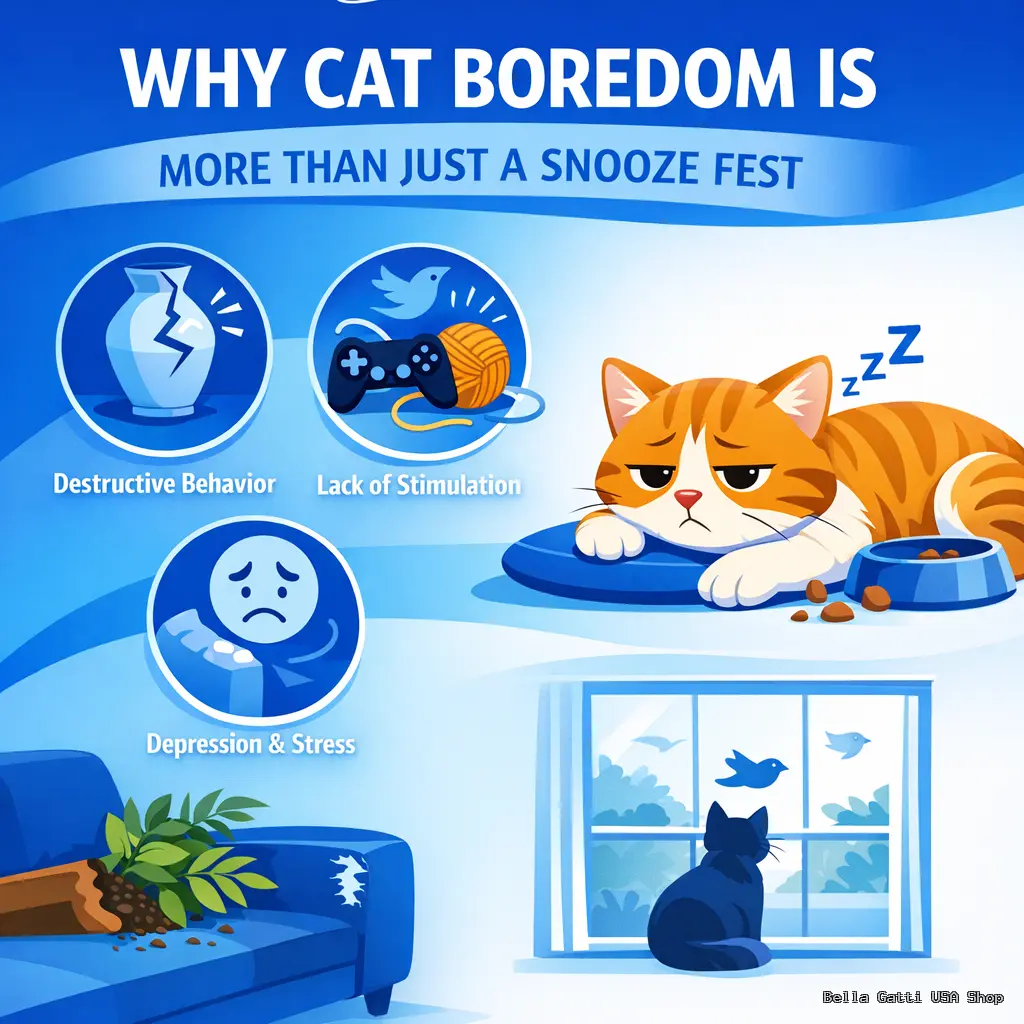
If you suspect your stressed-out kitty is restless, you are likely right. According to experts like Jackson Galaxy, cats are hardwired predators. Their natural instincts involve hunting, stalking, and climbing behaviors.
When domestic life limits these outlets, that innate energy doesn’t just disappear. Lack of stimulation or environment leads directly to Cat boredom, which is why enrichment is paramount for Feline health.
A Certified cat behaviorist will tell you that the behaviors we consider “bad” are often just misdirected natural energy. This is how a champion hunter ends up attacking your ankles or tearing up the sofa.
The Hidden Cost of Boredom: Behavioral and Health Impacts
Ignoring boredom in cats can have drastic consequences. This isn’t just about a few misplaced scratches; it impacts their overall well-being. Studies show that behavioral changes are key indicators of the problem.
For example, while cats sleep a lot, excessive sleeping (more than 15-20 hours a day) can be a sign of depression or severe lack of stimulation. You might also notice Cat overgrooming, leading to bald spots, or increased vocalization, which is often a sign of chronic anxiety.
Furthermore, destructive cat behavior is a common symptom. Boredom can cause weight gain, obesity, and stress-related issues. Chronic stress can even weaken the immune system, leading to long-term health issues like diabetes and arthritis.
How to Fix Cat Boredom: The Enrichment Mandate

The good news is that how to fix cat boredom often involves simple, consistent changes. The goal is to provide mental stimulation that mimics the hunting cycle.
We must introduce interactive activities that satisfy their need for effort and reward. Think beyond static plush mice and focus on items that activate their primal instincts, such as a quality Cat wand bundle.
We will dive into the specific signs your cat is bored next, but keep this in mind: Effective solutions involve rotating Cat toys, utilizing puzzle feeders, and incorporating training techniques like Clicker training to engage their minds. Let’s get your kitty back into action, Bella Gatti style, and ensure they are enjoying a better play experience.
Understanding Boredom in Cats: Why They Need Stimulation

Cats are natural hunters, stalkers, and climbers. Even the most pampered house cat retains these powerful Natural Instincts. You, the Pet Parent, must remember that your indoor feline still views your living room as a vast hunting ground.
When these primal instincts lack an outlet, the energy doesn’t just disappear. It turns inward, manifesting as Anxious and excessive behavior. This is the root cause of many Cat problems and concerns regarding Feline health.
This is why understanding Cat behavior is crucial. As cat behavior experts like Jackson Galaxy emphasize, you must replace the thrill of the hunt with engaging, interactive activities, known as Feline behavior enrichment.
“Boredom most often manifests as Cat stress. A Stressed-out kitty may begin Cat overgrooming, Overeating, or engaging in House soiling. Lack of mental stimulation directly impacts their Quality of life.” (Certified Cat Behaviorist Insights)
Lack of stimulation due to limited environment is the primary cause of Boredom in cats. They need a job. If you don’t give them a productive task, they will invent a very destructive one for themselves, leading to classic Destructive Cat behavior like scratching furniture or chewing wires.
These signs, from Play aggression to excessive Attention seeking, are clear distress signals. If you notice your feline friend exhibiting Excessive sleeping (more than 20 hours a day) or increased vocalization, it’s time to intervene with better play and Cat care.
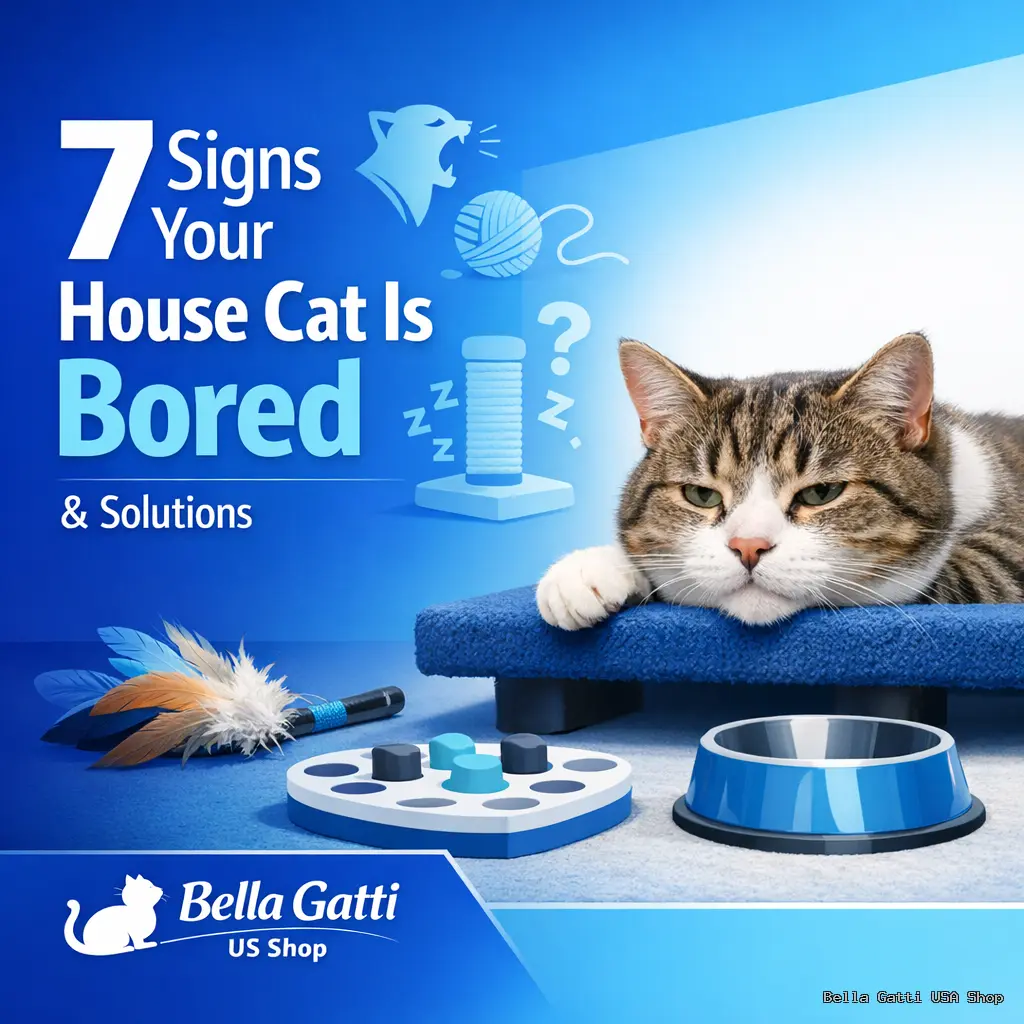
7 Signs Your House Cat Is Bored: Is Your Feline Friend Plotting Chaos?
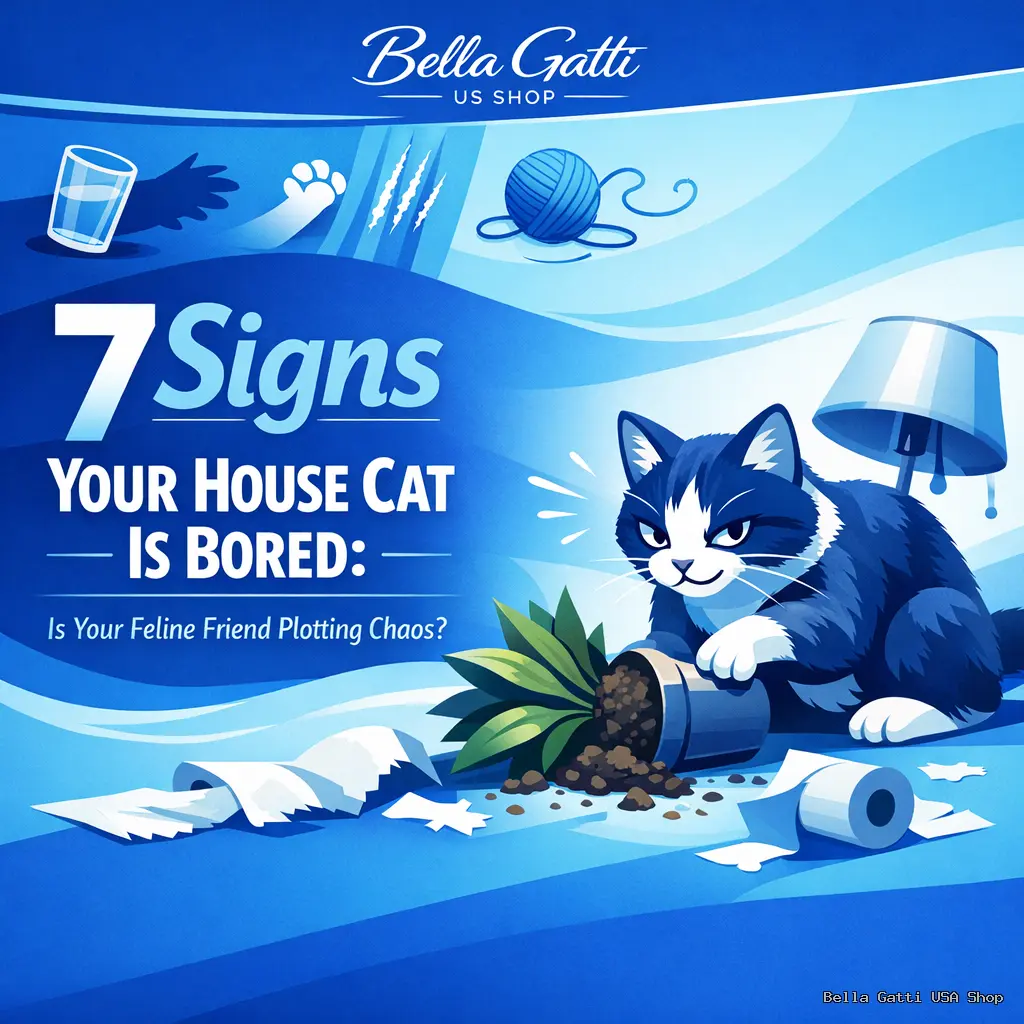
As dedicated Pet parents, spotting Cat boredom early is crucial for maintaining your sanity, and your furniture. A sudden shift in your kitty’s routine or temperament isn’t just a quirk; it’s often a desperate cry for stimulation.
These symptoms are frequently mistaken for simple “bad behavior,” but a Certified cat behaviorist like Jackson Galaxy would tell you they are classic indicators of a deep need for mental and physical engagement.
1. Excessive Sleeping (The Great Snooze Escape)
We know cats are champion nappers; it’s practically their brand. But when Excessive sleeping sets in, it’s a major sign of Boredom in cats.
While the average feline sleeps 12 to 16 hours daily, consistently hitting the 18 to 20-hour mark is a serious red flag, based on studies of Feline behavior enrichment.
They aren’t just extra cozy. They are using sleep as a coping mechanism to check out of their predictable, monotonous reality. They are literally trying to pass the time until something interesting happens.
2. Destructive Cat Behavior (The Home Renovation Project)
Is your favorite antique chair suddenly looking shredded? Did your expensive curtains transform into a jungle gym? Congratulations, you have a Destructive cat on your hands.
A bored kitty will create its own fun. This often involves scratching the sofa, chewing wires, or executing gravity experiments by knocking precious items off high shelves.
This is pure pent-up energy, a lack of outlet for natural hunting and climbing Cat behavior. They are demanding Better play and better scratch options, or they will continue to destroy your house for sport.
3. Cat Overgrooming and Repetitive Behaviors
Cats are notoriously meticulous, spending up to 50% of their day on essential grooming. However, excessive or compulsive grooming is a hallmark sign of underlying Cat stress.
If you observe your kitty licking, biting, or chewing their fur until obvious bald patches appear, this Anxious and excessive behavior indicates they are trying desperately to self-soothe.
This intense Cat overgrooming is often rooted in mental stagnation and Cat problems stemming from a lack of environmental enrichment. Always rule out medical issues, but remember that a Stressed-out kitty needs mental stimulation.
4. Increased Vocalization or Attention Seeking
If your feline friend suddenly transforms into a tiny, demanding opera singer, howling and chirping incessantly, they are definitely trying to earn the title of “most annoying pet.”
This persistent Attention seeking behavior (whether it’s following you into the bathroom or tripping you in the kitchen) is their way of saying, “I am suffering from acute Cat boredom, and I demand interactive play now!”
This Increased vocalization is often a desperate plea for novelty and quality time, reminding Pet parents that interaction is vital for Quality of life.
5. Play Aggression Towards You or Other Pets
Does your seemingly sweet kitty suddenly launch a surprise attack on your ankles? If they are constantly chasing the dog or harassing housemates, you are likely witnessing pure, unadulterated Play aggression.
As Jackson Galaxy explains, a bored cat needs to stalk, chase, and pounce to fulfill its innate predatory drive. This is often the result of insufficient outlets for their natural hunting instincts.
If you don’t offer appropriate targets (like a high-quality Cat wand bundle), you become the designated prey. This behavior screams, “I need Better play immediately!”
6. Inappropriate Elimination (House Soiling)
When your cat begins eliminating outside the litter box (a frustrating issue known as Inappropriate elimination or House soiling), it is a critical sign that something is wrong. Always prioritize a vet visit first.
If medical causes are ruled out, stress and anxiety are the primary culprits. The stress caused by a boring, monotonous environment can create chronic Cat stress that triggers this behavior.
This behavior is a clear indicator that your Stressed-out kitty is struggling to cope with its current environment and needs urgent enrichment and dedicated Cat care.
7. Overeating or Emotional Eating
It’s not just humans who turn to comfort food when they are feeling uninspired. Overeating (Emotional eating) is a common sign of Cat boredom and anxiety.
If your cat is constantly demanding meals or rapidly gaining weight despite having a full bowl, boredom is likely contributing to the problem.
Lack of mental and physical activity combined with excessive calorie intake severely impacts Feline health. This can lead to serious long-term issues like diabetes and arthritis, drastically reducing their Quality of life down the line.
How to Fix Cat Boredom: Enrichment Strategies for a Stressed-Out Kitty
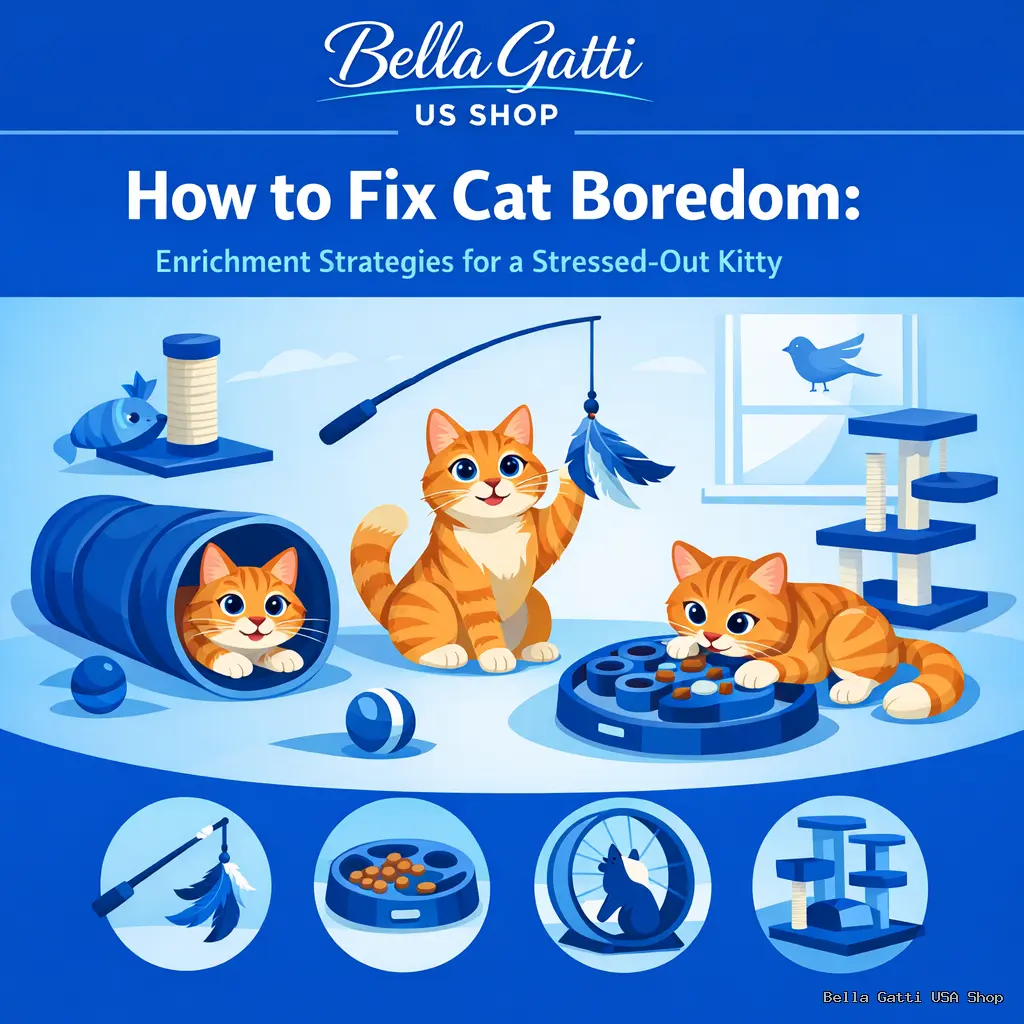
If you’ve identified the signs your cat is bored (be it excessive sleeping, play aggression, or destructive cat behavior), the good news is that solving Cat boredom is entirely achievable. It doesn’t require moving mountains, but it does demand consistency and creativity from dedicated Pet parents.
The core principle of effective Cat behavior enrichment is simple: You must fulfill the natural, innate needs of the feline hunter trapped inside your fluffy housemate. This leads to a higher quality of life and a less stressed-out kitty.
Studies show that a lack of outlets for hunting, stalking, and climbing instincts due to limited stimulation is the primary cause of Boredom in cats. Addressing these innate behaviors is key to preventing serious Cat problems.
A. Activate the Hunter: Interactive Playtime & The Hunting Cycle
The single most crucial step you can take to combat Cat boredom is providing daily, dedicated interactive play sessions. We are talking about simulating the hunt, satisfying their primal need to stalk and capture prey. This is non-negotiable for Feline health.
A Certified cat behaviorist, like those following the principles of Jackson Galaxy, recommends two to three 10-15 minute sessions per day. These sessions must be vigorous enough to tire your cat out and provide Better play.
Use wand toys, perhaps a top-rated Cat wand bundle, to mimic the movement of prey: flutter, dart, hide, and finally, let them catch the toy. We recommend the Catch Me If You Can Cat Wand Bundle for maximum effect.
The “catch” is absolutely crucial. It completes the physiological hunting cycle. If the cat never catches the prey, they experience heightened frustration, which can lead directly to Play aggression or Attention seeking behaviors later on.
B. Environmental Enrichment: Vertical Space and Visual Stimulation
For indoor cats, the lack of environmental variability is a leading cause of Cat boredom. Your home must become a dynamic, stimulating landscape that appeals to their natural instincts for climbing and surveying territory.
Think vertically! Install sturdy cat trees, scratching posts, and shelves so your cat can climb and perch. This fulfills their natural desire to survey their territory from a high vantage point, reducing Cat stress and boosting confidence.
Window access is also essential. A cozy perch near a window, especially one overlooking a bird feeder, can provide hours of passive stimulation. This visual enrichment engages their minds and helps combat excessive sleeping (which can be a sign of depression).
Remember that chronic Cat stress resulting from a dull environment can weaken the immune system, potentially leading to health issues such as obesity, diabetes, or arthritis. Investing in quality Cat care items like robust cat trees is an investment in Feline health.
C. Puzzle Feeders and Food Motivation: The Casino Effect
Make your cat work for their dinner. In nature, a cat never gets its meal served effortlessly in a bowl. They must hunt, stalk, and earn it.
Puzzle feeders, slow-feed bowls, or simply hiding portions of kibble around the house encourage stalking and searching behaviors. This mental stimulation is incredibly rewarding for them, fulfilling their innate need for activities with payoffs, much like winning at a casino.
This strategy directly addresses the problem of Overeating (Emotional eating) that often accompanies Boredom in cats, promoting better portion control and active engagement during mealtime. It’s effective Feline behavior enrichment.
D. Training and Behavioral Refinement: High-Level Engagement
Did you know that engaging in formal training is a powerful tool against Cat problems? Yes, you absolutely can Train your cats, and it’s fantastic for mental health.
Clicker training is an excellent way to engage your cat’s brain. It builds confidence, strengthens your bond, and provides high-level mental stimulation that reduces Anxious and excessive behavior like Cat overgrooming.
You can teach them simple commands, like sitting, or even how to high-five. This focused interaction is a powerful boredom buster that shifts their attention away from destructive cat behavior or inappropriate elimination.
For the truly dedicated Pet parents seeking maximum sensory input, learning how to Harness and walk your cat provides incredible outdoor sensory enrichment in a controlled manner. This controlled exposure to new sights and smells can drastically improve their quality of life and reduce Cat stress.
The Ultimate Boredom Buster Comparison: Tailoring Enrichment for Your Kitty
A successful strategy for resolving Cat boredom relies on understanding what drives your feline friend. Different activities target different primal needs, a concept often championed by experts like Jackson Galaxy. You aren’t just giving them a toy; you are fulfilling an instinct.
This quick guide helps Pet parents match the right type of Feline behavior enrichment to the specific Cat behavior issues you might be seeing, such as Play aggression or excessive Attention seeking.
| Enrichment Type | Instinct Fulfilled | Best Outcome |
|---|---|---|
| Interactive Wand Play (e.g., Catch Me If You Can Cat Wand Bundle) | Hunting, Catching, Pouncing | Reduces Play aggression and anxiety. |
| Puzzle Feeders | Foraging, Problem-Solving | Slows eating, improves mental focus, and prevents Overeating. |
| Vertical Spaces (Cat Trees) | Climbing, Surveying Territory | Reduces territorial stress and boosts confidence, addressing key issues identified by a Certified cat behaviorist. |
| Clicker Training | Learning, Bonding, Mental Challenge | Addresses Attention seeking and improves overall Cat behavior. |
Variety truly is the key to How to fix cat boredom permanently. If you notice persistent Signs your cat is bored (like Excessive sleeping, more than 20 hours a day, or Destructive cat behavior), you must rotate their Cat toys and activities frequently to maintain interest.
Remember, activities like Clicker training not only provide crucial mental stimulation but also improve their overall Quality of life by building a stronger bond. The goal is to ensure your Stressed-out kitty feels confident and engaged, reducing the risk of deeper Cat problems.
When Boredom Becomes a Health Crisis: The Stressed-Out Kitty
That low-level, chronic Cat boredom you might observe isn’t just a minor inconvenience; it’s a serious threat to your cat’s overall well-being. When your feline friend is stuck in a monotonous loop, their mental health takes a serious hit.
A perpetually under-stimulated indoor cat often becomes a stressed-out kitty. This constant, low-level Cat stress weakens the immune system, making them far more susceptible to illness and long-term health issues.
Lack of adequate mental and physical stimulation contributes directly to weight gain and obesity. This lack of activity drastically increases the risk of serious issues affecting Feline health, including diabetes and crippling arthritis.
For responsible Pet parents, providing enrichment is mandatory, not optional. It is a necessary foundation of quality Cat care that determines your cat’s long-term quality of life. A well-played cat is a healthy cat.
Frequently Asked Questions (FAQs) About Cat Boredom
You’ve identified the signs your cat is bored (maybe even some concerning Cat stress). Now it’s time for solutions.
We receive frequent inquiries from Pet parents looking for solid Cat advice on how to improve their feline friend’s Quality of life. Here are the most common Cat problems and how to fix cat boredom.
Q: My cat has plenty of toys and food. Why are they still exhibiting Destructive Cat behavior?
A: The core issue isn’t just about having static Cat toys; it’s the lack of fulfilling their natural instincts. A domestic cat, even one lounging on a soft cotton tee, still has the drive of a tiny, specialized predator.
Cats need appropriate outlets for the “hunt, catch, kill, eat, groom, sleep” cycle. If they can’t stalk, chase, and climb, that pent-up energy manifests as negative behaviors, such as inappropriate elimination, increased vocalization, or even Play aggression toward you.
Feline behavior enrichment must mimic these innate behaviors. Simply leaving a static ball on the floor won’t cut it for a truly bored cat.
Q: Can Cat boredom truly impact my feline health?
A: Absolutely. This isn’t just a minor inconvenience; chronic Cat boredom is a serious threat to your cat’s overall well-being. When your Stressed-out kitty is perpetually under-stimulated, their mental health takes a serious hit.
Boredom often causes the cat to resort to comfort behaviors like Excessive sleeping (studies show sleeping more than 15–20 hours a day can be a sign of depression) or Overeating (emotional eating).
This chronic Cat stress weakens the immune system and contributes to serious Cat problems like weight gain, obesity, diabetes, and arthritis later in life. Improving their Quality of life is paramount for longevity.
Q: What is the most effective way to fix cat boredom and provide mental stimulation?
A: Interactive play is non-negotiable. As certified cat behaviorist Jackson Galaxy frequently advises on YouTube, you must be part of the game to ensure better play.
Focus on interactive Cat toys, especially wand toys (such as the Catch Me If You Can Cat Wand Bundle), which simulate the erratic movements of flying prey. Always rotate your Cat toys regularly (novelty is key to fighting boredom in cats).
Also, prioritize mental stimulation. Try puzzle feeders, or introduce positive reinforcement training. Training your cats using Clicker training builds confidence, provides immense mental enrichment, and strengthens your bond.
Q: How can I prevent Overgrooming or Attention seeking behavior caused by boredom?
A: Overgrooming (often chewing fur off the belly or legs) and excessive vocalization are classic signs of anxiety and Cat stress. These are Attention seeking behaviors designed to get a reaction from Pet parents.
The solution involves preemptive environmental enrichment. Ensure your cat has high places to climb (cat trees), scratching posts to activate natural scratching instincts, and dedicated window access to watch the world.
If the behavior is severe, consulting with a Certified cat behaviorist might be necessary to rule out underlying Feline health issues.
Q: Should I try to harness and walk my cat?
A: For some cats, especially those suffering from severe boredom, introducing them to the outdoors safely can be highly beneficial. This practice, often championed by experts like Jackson Galaxy, provides unparalleled sensory input.
Start small using a comfortable harness and leash indoors, ensuring your cat is comfortable with the gear before venturing outside. This is a powerful tool for Feline behavior enrichment, but it requires patience and consistency from Pet parents.
Remember: Every cat is different, but providing novelty is the best Cat advice we can offer.
Frequently Asked Questions About Feline Health & Boredom Solutions
Can cats get depressed from boredom?
Yes, absolutely. When Boredom in cats becomes chronic, it’s not just a minor inconvenience, it’s a serious Feline health concern.
Prolonged lack of mental stimulation can lead to severe Cat stress, manifesting as depression or anxiety. If your kitty is exhibiting Excessive sleeping (more than 15-20 hours a day!), lack of interest in food, or increased Destructive Cat behavior, it’s time to intervene. A Stressed-out kitty needs immediate enrichment.
How long should I play with my bored cat?
A Certified cat behaviorist doesn’t measure success by duration, but by quality and intensity. They recommend two to three sessions of focused, interactive play daily, each lasting about 10 to 15 minutes.
This ensures Better play and dramatically improves their overall Quality of life. Crucially, always end the session with a successful “kill” and a small treat to complete the natural hunting cycle. This is vital Cat advice for satisfying their primal instincts.
Is it okay to leave my cat alone all day if they have toys?
While solo Cat toys and tunnels are essential for environmental enrichment, they are never a substitute for human interaction. Cats require daily interactive play to satisfy their profound hunting drive and prevent issues like Feline separation anxiety or Attention seeking behaviors.
If you are working long hours, provide serious mental stimulation using puzzle feeders or automated toys to keep that brain busy while you’re away. You are their primary source of interactive Cat care.
Who is Jackson Galaxy and why does he talk about cat boredom?
Jackson Galaxy is the renowned Cat behavior expert, host of “My Cat From Hell,” and a foundational voice for understanding Boredom in cats. He champions the “Cat Mojo” concept.
This centers on providing cats with effective outlets for their natural sequence: Hunt, Catch, Kill, Eat, Groom, Sleep. His Cat advice is crucial for resolving Cat problems like Play Aggression and other forms of Destructive Cat behavior.
What are the best cat toys for a destructive cat?
For a truly Destructive cat, you need tools that redirect their natural instincts effectively. The best Cat toys encourage appropriate hunting and scratching.
Invest in high-quality, durable wand toys (like the Catch Me If You Can Cat Wand Bundle) for intense, interactive play. Also, provide sturdy, tall scratching posts (avoid those flimsy, carpeted ones!) to properly support their size and redirect their scratching instinct away from your favorite sofa. This is key to successful Feline behavior enrichment.
***
This guide is intended for informational purposes only and is not a substitute for professional veterinary care or the advice of a Certified cat behaviorist.