Summary
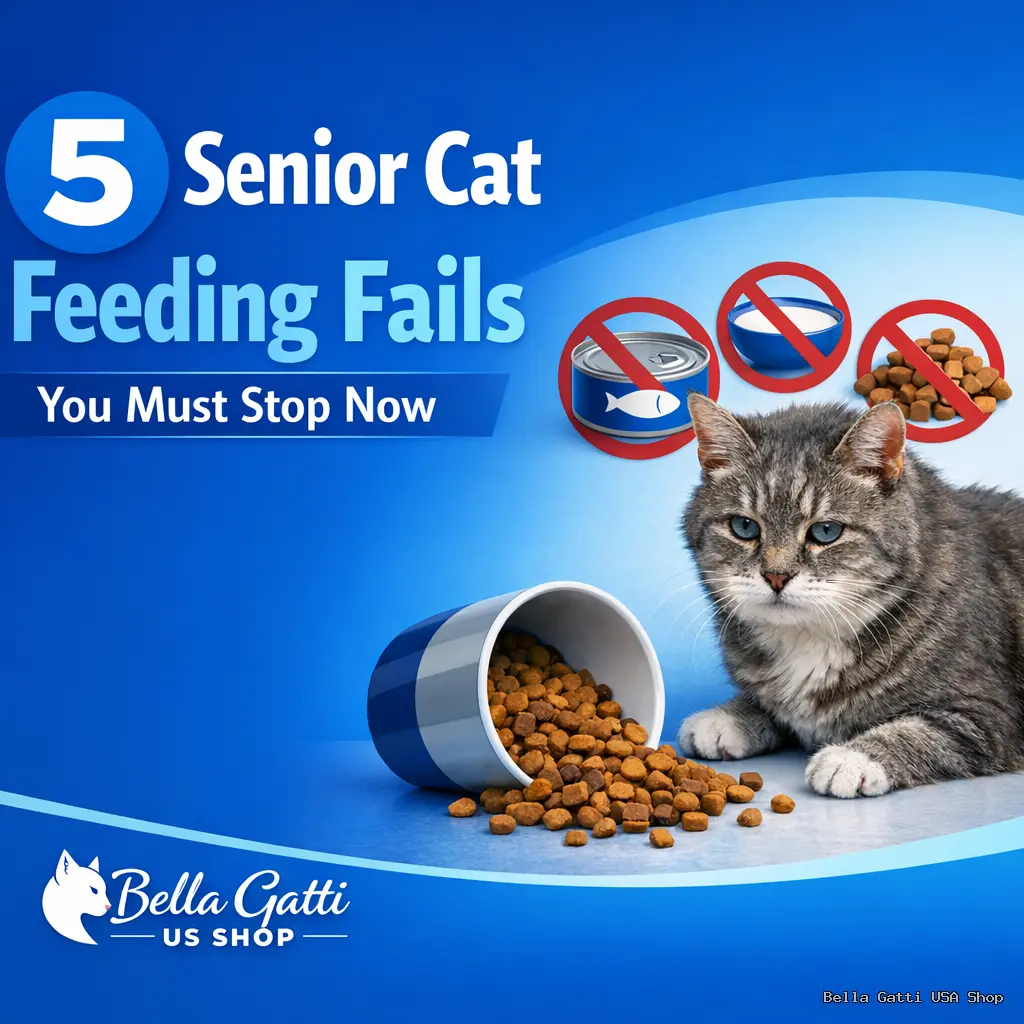
- Hydration is Non-Negotiable: Switch to a high-moisture wet food diet immediately and stop feeding high-sodium treats. Dry kibble drastically contributes to dehydration, kidney stress, and urinary issues in senior cats.
- Protein Prevents Sarcopenia: Do not restrict protein unless explicitly diagnosed with advanced kidney disease. Aging felines require high-quality animal protein to maintain lean muscle mass and combat age-related muscle wasting.
- Watch for Dental Pain: If your senior cat stops eating wet food but still eats kibble, it often indicates painful dental issues. Switch to smooth pate textures for comfort and schedule a veterinary dental checkup.
- Boost with Supplements: Standard food is often insufficient. Supplement your senior cat’s diet with Omega-3 fatty acids (DHA/EPA) to support joint mobility, reduce inflammation, and improve cognitive function.
Table of Contents
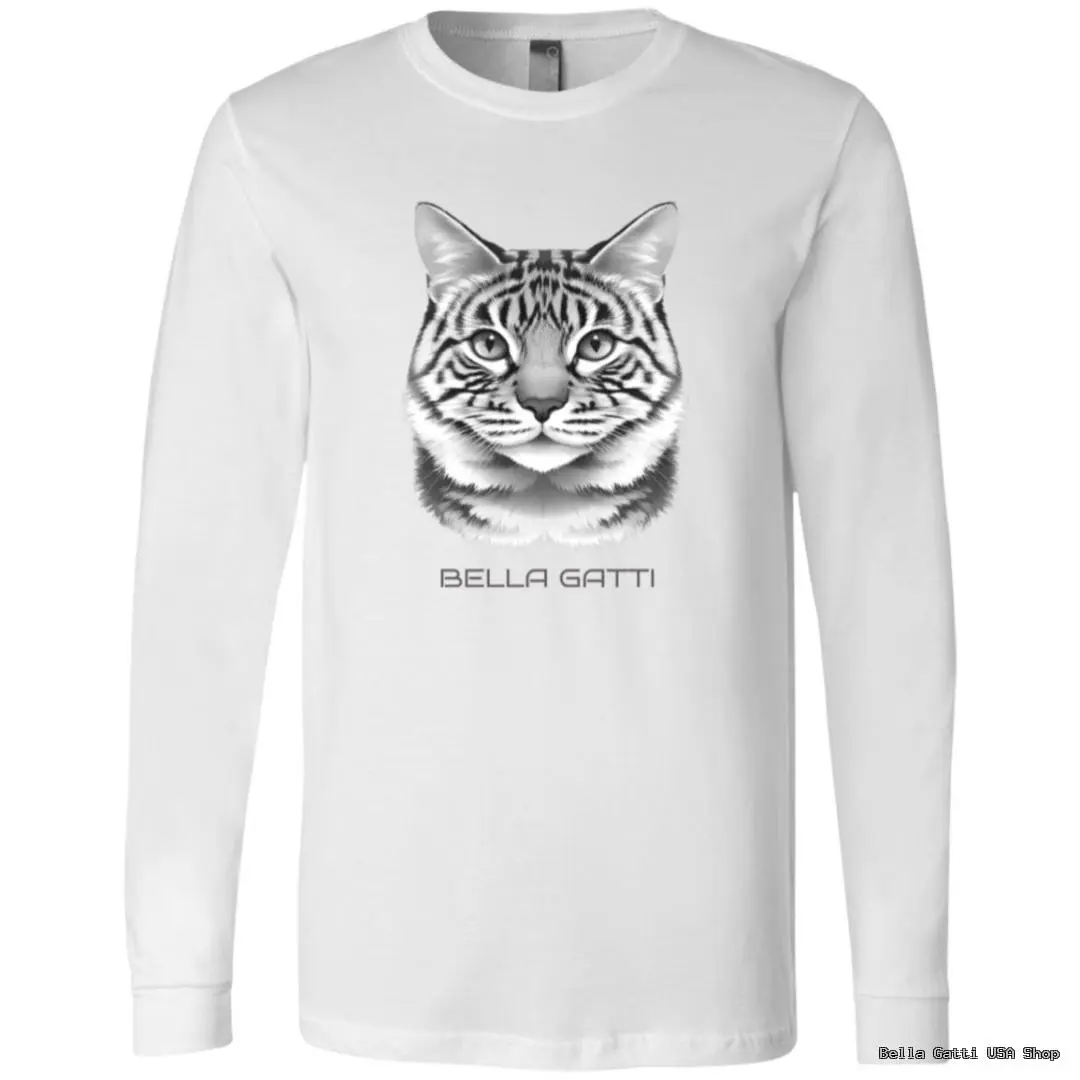
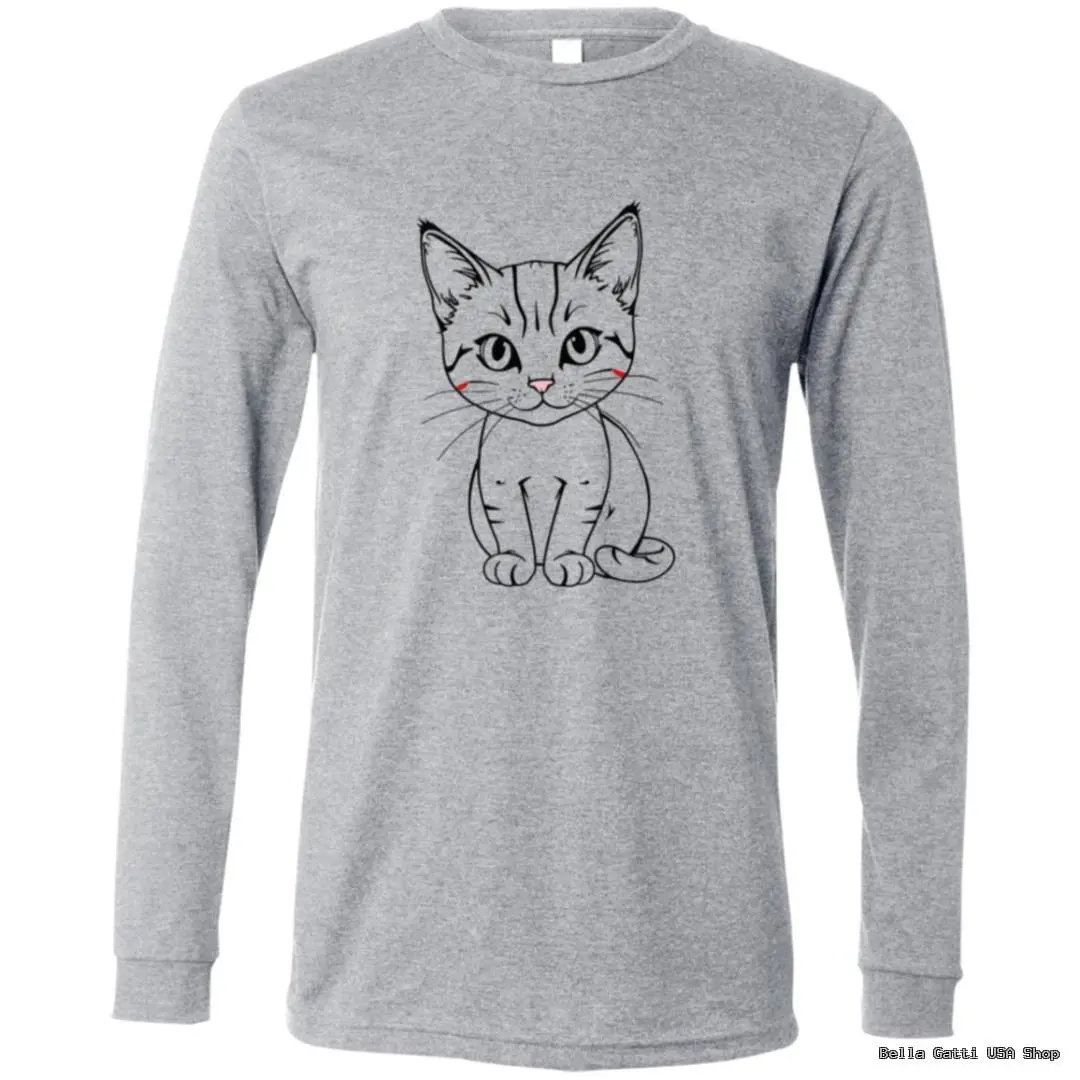
You adore your aging feline overlord. You bought the expensive cat tree. You tolerate the 4:00 AM demanding meows. You even wear the graphic tee that perfectly captures their judgmental gaze.
But when it comes to the dinner bowl, are you still serving up outdated nutritional advice? It’s time to stop making common senior cat diet mistakes.
Once a cat is over 10, they need a serious dietary level up. Their Feline Geriatric Nutritional Needs are completely different from their frisky kitten days.
Ignoring these crucial changes is one of the biggest risks to senior cat health. It can lead to serious health issues, shortening your time with your beloved companion, and drastically reducing cuddle opportunities.
We are here to help you prevent the five most common, costly errors in feline nutrition. Let’s fix these fails so your cat over 10 can enjoy their golden years in style, ready for maximum comfort on your soft cotton tees.
Expert Insight
“Once a cat reaches senior status around age 10, their nutritional needs fundamentally shift, requiring a personalized diet plan developed through a comprehensive veterinary nutritional assessment.” Feline Veterinary Expert
Fail #1: Calorie Complacency and Weight Whiplash
The number one mistake owners make with their aging felines? Assuming their calorie needs are the same as they were during the cat’s wild, demanding youth.
Spoiler alert: They are not. Aging felines often experience what we call “Weight Whiplash,” bouncing between two dangerous extremes: metabolic slowdown leading to chunkiness, or worrying, sudden weight loss.
The Danger of Sudden Weight Loss
If your Senior cat won’t eat or is dropping pounds rapidly, this is a massive, flashing red flag you cannot ignore. This is not just a Older cat picky eater phase; it’s an emergency that requires immediate veterinary attention.
When a Cat stopped eating, it often signals serious Cat health issues, such as hyperthyroidism or, most critically, Cat kidney disease. Never ignore these Senior cat health indicators.
As expert Pam Johnson-Bennett emphasizes, a change in appetite or Cat low energy warrants immediate veterinary attention. You must monitor their routine constantly.
To diagnose the underlying cause, your vet will likely require Diagnostic Veterinary Imaging (like an ultrasound or X-rays) to rule out serious problems before treating secondary symptoms.
Addressing Feline Appetite Suppression
If your cat is genuinely ill, the vet may prescribe Appetite Stimulants or an Anti nausea shot to manage Feline Appetite Suppression.
If your cat is losing weight but the underlying cause is managed, you need to focus heavily on Dietary Palatability Enhancement. Warm up wet food slightly to make it smell more appealing, this often encourages them to eat.
Sometimes, the solution is switching to highly palatable, high-calorie options or even Specialized Therapeutic Diets to ensure they meet their complex Feline Geriatric Nutritional Needs.
The Solution for Overweight Aging Felines
If your senior cat is healthy but overweight, it is a sign their metabolism has slowed down. They need fewer calories overall, but those calories must be absolutely packed with nutrients.
Switch to food formulated specifically as Older cat food that is strictly calorie-controlled but incredibly nutrient-dense. This helps maintain lean muscle mass while cutting down unnecessary fat.
Always consult your vet before making drastic changes to your Senior cat diet, ensuring you are addressing the right issue, whether it’s too much weight or dangerous weight loss.
Crucial Monitoring: Digestive and Urinary Health
While you are adjusting food intake, be hyper-vigilant about the litter box. Monitoring for signs of digestive and urinary issues is critical for Aging felines.
Issues like FLUTD (Feline Lower Urinary Tract Disease) or constipation are common and often linked to poor diet and hydration. Signs like blood in urine, painful urination, or changes in stool consistency require immediate veterinary action.
These symptoms, along with vomiting or abnormal litter box behavior, are key indicators of underlying Cat health issues that require prompt attention from Dr. Emily DVM.
Expert Insight
“As pets enter their golden years, their nutritional needs and metabolism change significantly, requiring tailored, nutrient-dense diets and regular veterinary oversight to maintain muscle mass and proactively manage age-related conditions like kidney disease or diabetes.” Veterinary Expert
Fail #2: The Great Dehydration Disaster
If Fail #1 was about managing the senior cat diet calorie count, Fail #2 is about preventing the internal plumbing system from seizing up. You wear the tee that says “I love my demanding cat,” but are you giving your fluffy overlord enough water?
Cats are desert creatures, historically terrible at drinking enough water. As they transition into their senior years (often defined as Cat over 10), their Feline Geriatric Nutritional Needs shift dramatically, making them highly susceptible to Feline Dehydration Markers.
This is arguably the most critical and easily correctable mistake. Inadequate hydration is a leading cause of Cat health issues in older pets.
The Case Against Dry Kibble Complacency
If your Senior cat won’t eat wet food and subsists only on dry kibble, they are perpetually dehydrated. Dry kibble contains only about 5 to 10 percent water.
In contrast, canned food contains up to 78 percent water. According to experts focused on Feline nutrition, relying solely on dry food is a significant contributor to complications like Renal Disease Management (kidney disease) and urinary tract issues in Aging felines.
To ensure a longer, healthier life for your senior cat, you must actively boost their water intake.
Active Hydration is Non-Negotiable
The simplest solution is switching to a primary diet of wet food. If your Cat eats dry food but is a Cat refuses wet food kind of older cat picky eater, you need to employ Dietary Palatability Enhancement strategies.
Try mixing a small amount of warm water or low-sodium broth (sometimes humorously dubbed “Kitty Gatorade” by vets like Dr. Emily DVM) into their kibble. You can also mix the kibble with a highly aromatic pate-style wet food to introduce those crucial moisture levels.
Additionally, invest in specialized water fountains. Many senior cats prefer running water over still water in a bowl, which can significantly increase their daily fluid intake.
Hydration Comparison: Dry vs. Wet Food
| Food Type |
Approximate Water Content |
Kidney Strain Risk (Senior Cats) |
Palatability |
| Dry Kibble |
5 to 10 percent |
High |
Medium (Crunchy) |
| Wet Food (Canned/Pate) |
70 to 80 percent |
Low |
High (Aromatic) |
| Hydrated Kibble |
30 to 50 percent |
Medium |
Medium-High |
Monitoring for Digestive and Urinary Issues
Inadequate hydration doesn’t just stress the kidneys; it causes serious issues further down the line. We are talking about Gastrointestinal Motility Issues, otherwise known as constipation, and urinary problems like FLUTD.
You must monitor the litter box closely. Signs of senior cat health problems to watch for include blood in the urine, straining, or urinating outside the box. These symptoms indicate pain or discomfort and require immediate veterinary attention, potentially involving Diagnostic Veterinary Imaging (like X-rays or ultrasound).
If you notice dry, hard stool, your cat is dehydrated and likely suffering from constipation. Increased moisture intake via wet food is the first line of defense.
The Hidden Fail: Risks of Feeding High-Sodium Treats to Senior Cats
This is a major fail often overlooked by loving owners. Those little crunchy, savory treats might seem harmless, but top-ranking veterinary sources confirm that the Risks of Feeding High-Sodium Treats to Senior Cats are extremely high.
These treats actively exacerbate dehydration, forcing the cat to drink more (which they are already bad at) and putting unnecessary stress on their aging systems, especially those struggling with early Renal Disease Management.
Avoid high sodium treats entirely. Stick to fresh, low-sodium, meat-based options for rewards. Better Senior cat care advice involves ensuring they get their hydration first, then offering a low-sodium, meat-based reward.
Fail #3: The Great Protein Panic (Sarcopenia is Real)
You’ve mastered Fail #1 (calorie counting) and Fail #2 (hydration), but now we hit a major myth that keeps many aging felines weak: The Protein Panic.
There is an old, outdated belief that you must drastically cut protein for older cat food. This is generally only true if your cat has advanced, diagnosed kidney failure requiring a strict, veterinarian-prescribed Specialized Therapeutic Diet.
For the vast majority of otherwise healthy Cat over 10, cutting protein is a dangerous nutritional error that sabotages senior cat health.
Why Quality Protein Matters for Feline Muscle Mass
Think of your fluffball’s muscles. As cats age, their bodies become significantly less efficient at utilizing the protein they consume. If you reduce their intake, their bodies start breaking down existing muscle mass just to meet basic metabolic needs.
This involuntary muscle wasting is called sarcopenia, and it is a major issue for senior cat needs. It’s why your usually spry companion might suddenly have Cat low energy or difficulty making that majestic leap onto the bed.
To counteract sarcopenia, your cat requires highly digestible, high-quality animal protein. This is a crucial component of Feline Geriatric Nutritional Needs.
Dr. Emily DVM stresses that counteracting muscle wasting is paramount. Senior cats often require the same or even slightly higher levels of quality protein than their younger counterparts, provided their kidney function is stable and monitored during routine checkups.
Selecting the Best Protein Sources
When searching for the Best food for senior cats, focus on quality, not just quantity. Look for formulas where animal sources, like chicken, turkey, or fish (specifically high-quality options like Pole and Line caught tuna), are listed as the very first ingredients.
Prioritizing quality protein helps ensure your cat maintains lean muscle mass, keeping them strong enough to continue their essential duties: demanding cuddles and judging your fashion choices (even the graphic tees you love).
The Kidney Caveat: When Protein Needs to Change
While protein is usually essential, monitoring is key. If routine bloodwork shows signs of Renal Disease Management (Kidney Disease), your veterinarian will discuss transitioning to a low-phosphorus, protein-restricted Specialized Therapeutic Diet.
Do not attempt this dietary switch without a definitive diagnosis and veterinary guidance. Cutting protein prematurely harms muscle mass far more than it helps healthy kidneys.
Expert Insight
“Older dogs and cats require adequate dietary protein to minimize lean body mass loss and combat sarcopenia, meaning protein should only be restricted if medically essential and under definitive veterinary guidance, as cutting protein prematurely harms muscle mass far more than it helps healthy kidneys.” Veterinary Nutrition Expert
Fail #4: Ignoring the Chompers (Dental Pain is Dietary Sabotage)
You’ve nailed the complex protein balance (Fail #3), but now let’s talk about the physical mechanics of eating. Imagine trying to chew crunchy kibble when your mouth is throbbing. That is the daily reality for countless Aging felines.
Dental disease is rampant in senior cats. It is painful, often hidden, and a major cause of sudden food aversion. If your Older cat picky eater suddenly stops eating wet food or starts dropping pieces of dry food, the problem is likely below the gum line.
Switching Textures for Comfort: Differential Food Textures
When a Senior cat won’t eat their usual diet, or shifts preference to only licking the gravy off wet food, it’s a massive red flag. This behavior screams, “My teeth hurt!”
The immediate solution is utilizing Differential Food Textures. Switch away from hard kibble or chunky wet formulas that require heavy chewing. Smooth pate or highly mashed flakes are much easier to manage, even with general gum sensitivity.
This simple adjustment is crucial for maintaining caloric intake. If necessary, consult your vet about temporarily using meat-only baby food (free of onion or garlic) to ensure your Cat over 10 gets the energy they need while dental issues are addressed.
The Dehydration Trap: Linking Dental Pain to Kidney Stress
This fail links directly back to Fail #2 (The Great Dehydration). If your cat stops eating wet food because chewing hurts, they are relying solely on dry food, significantly accelerating dehydration.
Inadequate water intake is a leading cause of health problems in Senior cats, especially concerning their kidneys. Studies confirm that dehydration can rapidly cause complications requiring intensive Renal Disease Management.
We need to be vigilant about Cat dehydration symptoms like sunken eyes or low skin elasticity. Monitoring Feline Dehydration Markers is essential for maintaining Senior cat health and lifespan.
The Hidden Danger: High-Sodium Treats
When trying to tempt an Older cat picky eater to consume calories, owners often reach for highly palatable, high-sodium treats (like certain tuna-based snacks).
This is a critical Cat diet mistake. High sodium treats can severely harm senior cats, leading to rapid dehydration and placing extreme stress on already fragile kidneys. Avoiding high-sodium treats is absolutely crucial for protecting your Senior cat needs and supporting long-term Feline Geriatric Nutritional Needs.
Monitoring Digestive and Urinary Issues
Beyond the mouth, we must monitor the entire digestive pipeline. Common Cat health issues like Feline Lower Urinary Tract Disease (FLUTD) and chronic constipation are directly tied to diet and hydration levels.
The importance of monitoring for digestive and urinary issues cannot be overstated. If you notice discomfort, straining, urinating outside the litter box, blood in urine, or severe changes in stool consistency (hard, dry pellets indicating Gastrointestinal Motility Issues), this demands immediate veterinary attention.
For constipation, increasing hydration (Hello, Fail #2 again!) is the first line of defense. Your vet may recommend specific Laxatives or dietary fiber supplements. Some cats also benefit from small amounts of fresh Cat Grass to aid digestion.
Fail #5: Supplement Skepticism (Ignoring the Age-Related Boosters)
You have mastered the art of catering to a demanding palate, but standard kibble is not enough for the fluffy overlord who is now a dignified, sometimes creaky, senior citizen.
This fail is simple: believing your cat’s regular food covers all the gaps. As cats age, their ability to absorb key nutrients decreases, and specific needs for joint and cognitive support skyrocket.
Ignoring beneficial additions is ignoring your cat’s evolving Feline Geriatric Nutritional Needs.
The Essential Boost: Omega-3s and Joint Support
When your cat was two, they were a sleek, self-sufficient predator. Now, their joints, brain, and coat all benefit from targeted nutritional additions.
Omega-3 fatty acids, particularly DHA and EPA, are crucial for Aging felines. They are the secret weapon against stiffness.
They support cognitive function, reduce inflammation, and dramatically improve coat quality. Critically, they are vital for joint health, helping to manage arthritis and keeping your cat mobile enough to jump on the sofa for mandatory lap time.
-
- Look for fish oil supplements specifically formulated for cats.
- Ensure the dose is appropriate for your cat’s weight.
- Mix the oil directly into their wet food for easy ingestion.
The Hidden Fail: High-Sodium Treats and Kidney Stress
While we are talking about what you should add, let’s quickly cover what you must stop: feeding high-sodium treats. This is a common, costly Cat diet mistake for owners of Cat over 10.
High sodium treats can cause serious harm to Senior cat health. They drastically increase fluid requirements, leading to dehydration and undue stress on the kidneys, the most common weak point in geriatric cats.
Avoiding High sodium treats is crucial for supporting long-term Renal Disease Management and preventing serious Cat dehydration symptoms.
Critical Monitoring: Recognizing Senior Cat Health Problems
Fixing the feeding fails is only half the battle. The other half is recognizing when a dietary issue masks a serious medical problem. These are the key Signs of Senior Cat Health Problems to Watch For that require immediate veterinary input.
If your Older cat picky eater is refusing food, or if you notice changes in their habits, do not wait. Early intervention is the key to managing chronic conditions like Cat kidney disease.
Consequences of Inadequate Hydration and Urinary Issues
Remember Fail #2? The consequences of poor hydration are severe. Studies highlight dehydration as a leading cause of health problems in Senior cat diet patients, especially when their intake is dominated by dry food.
Inadequate water intake can lead to complications such as urinary issues (like FLUTD) and severe Gastrointestinal Motility Issues (constipation).
If you see signs like blood in the urine, discomfort when using the litter box, or severe Cat dehydration symptoms (like skin tenting), you need to call the Emergency vet immediately.
When to Call the Vet (It’s Not Just a Picky Eater)
If your cat is showing persistent Cat low energy, has suddenly become a complete Older cat picky eater, or is displaying frequent vomiting, you need professional assessment.
According to experts like Dr. Emily DVM, persistent refusal to eat requires investigation, potentially including Diagnostic Veterinary Imaging to rule out internal issues.
Your vet may recommend Appetite Stimulants or specialized, highly palatable Specialized Therapeutic Diets to ensure your cat receives proper Feline nutrition. Your job is to monitor closely so your vet can treat effectively.
Final Thoughts on Feline Nutrition
You have corrected the five major fails and upgraded your cat’s menu. Congratulations! You are officially providing the best food for senior cats and maximizing your time with your fluffy overlord.
But there is one final hurdle every owner of an Older cat picky eater faces: the actual execution.
Managing the Feline Pickiness Protocol
Switching your senior cat diet can feel like negotiating with a tiny, furry dictator. We know that Managing Feline Pickiness is often a full-time job, but consistency is key to success.
If your cat refuses wet food, start slowly. Use highly aromatic options like Fancy Feast pate to introduce different Differential Food Textures. This focus on Dietary Palatability Enhancement is crucial for encouraging appetite in Aging felines.
Remember that improving Feline nutrition is not just about the food itself; it is about ensuring your cat actually consumes the necessary Feline Geriatric Nutritional Needs.
The Silent Dangers: Dehydration and High-Sodium Treats
Even with the perfect Senior cat diet, you must remain vigilant against the two biggest hidden threats to Senior cat health: inadequate water intake and high-sodium snacks.
Studies highlight dehydration as a leading cause of health problems in senior cats, especially when a Cat eats dry food exclusively. Wet food provides high water content and helps prevent complications like kidney issues.
Dehydration is a serious concern for Renal Disease Management (Kidney Disease). Monitoring Feline Dehydration Markers is essential. You must actively avoid High sodium treats. Competitors consistently show these treats increase kidney stress and accelerate dehydration in older cats.
Monitoring for Cat Health Issues and Red Flags
By correcting these five fails, you are ensuring your senior companion lives their best, longest life. However, better nutrition does not eliminate the need for vigilance regarding common Cat health issues.
Always monitor for digestive and urinary issues. Common problems like FLUTD (Feline Lower Urinary Tract Disease) and Gastrointestinal Motility Issues (Constipation) are often linked to diet and hydration. Signs include discomfort urinating, blood in urine, or changes in stool consistency.
If your Senior cat won’t eat, shows Cat low energy, or displays other behavioral signs indicating pain or discomfort, that is an immediate red flag. Do not delay. This requires prompt veterinary attention.
When to Call Dr. Emily DVM
If your cat has stopped eating wet food, is experiencing vomiting, or showing signs of dehydration, call your vet immediately. They can perform Diagnostic Veterinary Imaging (like ultrasound) to rule out serious issues.
Sometimes, an Appetite Stimulant or a quick visit to the Emergency vet is necessary to stabilize an older cat. Routine checkups are vital for early detection of health problems in Cat over 10.
By prioritizing their Cat nutritional needs, you are guaranteeing many more years of demanding meows, quality cuddle time, and supervising the softness of your Bella Gatti Unisex Soft Cotton Tee.
Frequently Asked Questions: Mastering the Senior Cat Diet
What is the best food type for a 15-year-old senior cat?
The consensus among experts like Dr. Emily DVM is clear: the best food for senior cats is almost always high-moisture canned food (wet food). This is non-negotiable for aging felines.
Wet food dramatically boosts hydration, which is critical for Senior cat health and essential for Renal Disease Management. Look for foods with highly digestible, high-quality protein to maintain that crucial lean muscle mass. Only switch to a specific low-protein therapeutic diet if your vet diagnoses advanced Cat kidney disease.
My older cat is suddenly refusing wet food but still eats kibble. What gives?
Ah, the classic bait-and-switch. When an older cat picky eater suddenly becomes a specialist who cat refuses wet food but still manages to crunch dry food, the alarm bells should ring for dental pain. This is a telltale sign of Fail #4: Ignoring the Chompers.
Dry kibble requires less thorough chewing than dense wet food, which hurts sensitive gums or teeth. Schedule a veterinary dental checkup immediately. If medically cleared, try improving the Dietary Palatability Enhancement by warming the wet food slightly, adding low-sodium broth, or switching to extremely smooth Differential Food Textures like pate.
Sometimes, a short course of an Appetite Stimulant or an anti-nausea shot, prescribed by your vet, can help break the cycle of a Cat stopped eating.
What are the risks of giving my older cat human food like tuna?
This is a major Cat diet mistake. While we understand the urge to share, giving High sodium treats like canned tuna packed for humans (even reputable brands like Pole and Line found at Whole Foods) poses a serious risk to aging felines.
High sodium intake exacerbates Cat dehydration symptoms and places immense stress on the kidneys, accelerating the progression of Cat kidney disease. Stick strictly to feline-approved, low-sodium treats or small portions of plain cooked chicken or salmon to ensure you meet their specific Feline Geriatric Nutritional Needs.
How often should an aging cat visit the vet for health and nutritional checks?
For cats 10 years and older (the official senior classification), bi-annual (every six months) veterinary checkups are mandatory. This proactive approach allows your vet, perhaps like the advice often shared by Dr. Emily DVM on YouTube, to monitor subtle weight fluctuations and address Cat low energy or changes in Cat nutritional needs early.
These visits are crucial for early detection and Renal Disease Management before minor issues become major health crises. This consistent monitoring is the cornerstone of great Senior cat care advice.
What are the signs of digestive or urinary issues, and what should I do?
Monitoring the litter box is essential for senior cat health. The Consequences of Inadequate Hydration and Water Intake often manifest first as urinary or digestive problems. Look for signs like straining, vocalizing while using the litter box, or inappropriate urination (which may signal FLUTD).
Changes in stool consistency, especially hard, dry stools, can indicate Gastrointestinal Motility Issues (Constipation). If you suspect these Cat health issues, contact your vet immediately. They may recommend Diagnostic Veterinary Imaging (Ultrasound/X-rays) or Specialized Therapeutic Diets, along with treatments like a mild laxative or increased fiber (such as a bit of Cat Grass).
If my cat shows signs of dehydration, what should I give them?
If you notice Feline Dehydration Markers (like sunken eyes, lethargy, or skin tenting), this is an immediate Emergency vet situation. Do not attempt to force water at home.
Your vet will likely administer subcutaneous fluids, often affectionately called Kitty Gatorade, to rapidly correct the fluid imbalance. Your primary job is to get them professional help and then commit fully to switching to a high-moisture diet to prevent recurrence of severe Cat dehydration symptoms.