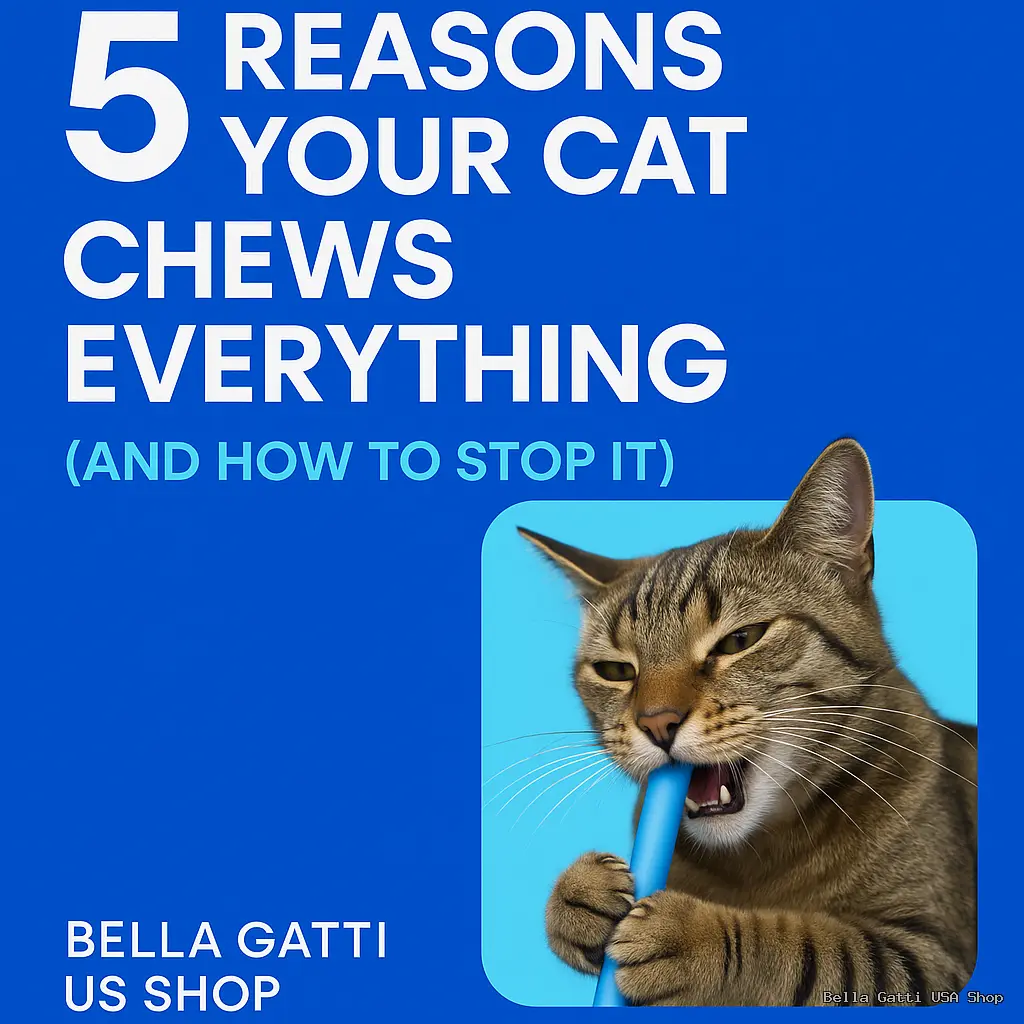
Summary
- Destructive chewing is caused by five main drivers: teething (kittens), oral pain (Periodontal Disease), boredom or stress, and the serious eating disorder Feline Pica (compulsion to ingest non-food items).
- Ingesting items like plastic, string, tinsel, or electrical cords is extremely dangerous, risking Intestinal Blockage or electrocution. Secure all high-risk household items immediately.
- Curb destructive habits through environmental enrichment, providing appropriate cat toys for healthy chewing, increasing interactive playtime for mental stimulation, and using bitter anti-chew spray on forbidden objects.
- If chewing is sudden, aggressive, or involves ingestion, you must consult a veterinarian immediately to rule out underlying medical issues (like dental disease) or manage behavioral conditions (Pica or Feline OCD).
Table of Contents
Why Your Cat Chews Everything: The Cat Overlord’s Guide to Destruction
You know the scene. You walk into a room and find your beloved feline monarch, the one who demands only the finest salmon pâté, aggressively attempting to dismantle an electrical cord, a plastic bag, or perhaps the corner of your vintage wooden chair.
The resulting chaos is frustrating, expensive, and often confusing. Why does your cat chew on everything? Is it a sign of boredom, a cry for attention, or something more serious?
The truth is that while some cat chewing behavior is completely normal, especially for teething kittens exploring their world or adult cats seeking mental stimulation, excessive chewing is often a symptom we can’t ignore.
Chewing is a natural activity for cats to explore their environment, but when your feline starts to chew and ingest non-food items like yarn or plastic, it crosses into dangerous territory. This type of abnormal behavior, often linked to conditions like Feline Pica or extreme cat anxiety, requires prompt attention.
To help you save your belongings (and potentially your cat’s life), we’ve identified the five primary reasons why your domestic dictator insists on using your home as their personal chew toy, and, crucially, how you can stop the destruction before the next cable casualty.
Expert Insight
“Pica is defined by the persistent consumption of non-nutritional items like fabric or plastic; this dangerous behavior often escalates rapidly into a life-threatening emergency due to intestinal blockages.” (Veterinary Specialist)
The Great Home Destruction Project: Decoding Your Cat’s Chewing Behavior
You bought the fancy cat tower. You invested in the designer cat bed. You even purchased that expensive interactive treat dispenser toy for mental stimulation. Yet, here you are, staring down the shredded remnants of your phone charger or the corner of your favorite Persian rug.
This is the reality of cat ownership: they are charming little tyrants. They are masters of destruction disguised as fluffy angels, and their cat chewing behavior can be both confusing and expensive.
When your Cat Overlord engages in excessive chewing, it’s rarely random malice. It is, instead, a signal. We need to figure out if this is just normal exploration, or a sign of something more serious, like Feline Pica, the compulsion to eat non-food items.
Chewing on safe cat toys is part of healthy chewing, especially for teething kittens, but chewing on plastic or electrical cords is dangerous and requires intervention, often necessitating a veterinarian visit.
Understanding the five main drivers is the first step toward reclaiming your home. These reasons range from serious medical issues, such as Periodontal Disease and other problems related to cat oral health, to behavioral problems like cat anxiety or Feline Obsessive-Compulsive Disorder (OCD).
Let’s dive deep into the world of cat chewing behavior to uncover why your furry family member thinks your belongings are dinner.
Expert Insight
“Pica in cats, the consumption of non-food items like plastic or fabric, is not merely a destructive habit; it is a serious eating disorder that necessitates a veterinary assessment to address potential life-threatening blockages and underlying medical or behavioral causes.” (Feline Veterinary Specialist)
Five Reasons Your Cat Chews Everything
Most cases of destructive or excessive chewing stem from a combination of instinct, environment, and sometimes, unfortunate medical reality. Dealing with cat chewing behavior is frustrating, but understanding the motivation is the first step toward reclaiming your phone chargers.
Here are the top five culprits behind your Cat Overlord’s destructive cat eating habits.
1. The Teething Terrorist
If you have a young feline, the answer might be simple: they are still navigating kitten growth stages. Much like human babies, teething kittens experience real discomfort when their adult teeth push through their gums, a process known as Feline Teething.
This discomfort drives them to chew anything and everything that provides pressure relief. Chewing is a normal activity for cats to explore their environment and relieve this discomfort.
Feline Teething typically starts around 10 weeks and can last until six months old. During this period, providing appropriate items for healthy chewing is essential.
Practical Solution: Provide appropriate, safe items. Cold, wet washcloths or specialized rubber cat toys designed for chewing can help soothe their little mouths. Always ensure the toys are too large to be ingested, preventing a potential Intestinal Blockage.
2. The Oral Pain Reliever (Dental Health Crisis)
If your adult cat suddenly starts chewing aggressively, especially on hard objects, they might be attempting to soothe pain caused by poor cat oral health. This is one of the most serious and common abnormal causes of chewing.
We are talking about Periodontal Disease, which is rampant in older cats. Chewing objects might be an attempt to alleviate oral pain, similar to how we might press on an aching tooth.
Signs of dental and gum problems include drooling, reluctance to eat dry kibble, pawing at the mouth, or persistent bad breath, known as Halitosis. This destructive behavior, coupled with these symptoms, emphasizes the need for consistent cat dental care.
Critical Action: You must consult a veterinarian immediately if you suspect dental issues. Only a professional can diagnose and treat advanced Periodontal Disease.
In the meantime, incorporating Purina Dental Cat Treats into their routine can offer some relief and preventative care, but they are not a substitute for veterinary diagnosis or treatment recommended by your Veterinarian.
3. The Attention Seeker
Cats are highly intelligent creatures, and if their environment lacks adequate mental stimulation, they will invent their own entertainment. Unfortunately, that often means turning your expensive electronics into cat snacks.
This is one of the most common reasons why cats chew and is linked directly to boredom or a need for interaction. Destructive cat chewing behavior linked to boredom often targets items with your scent, like socks, shoes, or phone chargers, because they associate your smell with comfort and attention.
Practical Solution: Increase playtime and environmental enrichment. Use an interactive treat dispenser toy or a laser pointer toy for daily hunting sessions. This channels their natural predatory instincts away from your wires. A tired cat is a less destructive cat, simple as that. Providing adequate mental stimulation is key to managing destructive chewing.
4. The Texture Tester (Feline Pica)
When a cat starts chewing and ingesting non-food items like wool, plastic bags, cardboard, or electrical cords, we enter the territory of Feline Pica, a non-food ingestion disorder.
Pica can be driven by nutritional deficiencies, stress, or genetics. Certain breeds, including the Siamese, Burmese, Oriental, and Tonkinese cats, show a higher genetic predisposition for Pica, especially fabric chewing.
While cats are obligate carnivores, they sometimes chew on bizarre or surprising foods like carrots, rice, or bananas due to appealing texture or odor, this is usually harmless. However, when your cat starts to eat non food items like plastic or electrical cords, this behavior is extremely dangerous, leading potentially to electrical shock or life-threatening Intestinal Blockage.
Critical Action: Pica requires strict management. Remove all potential targets, especially string, tinsel, plastic, and electrical cords. If your cat is exhibiting this behavior, you need to contact your Veterinarian immediately to rule out underlying medical issues or dietary needs. You can also apply an anti-chew spray to inappropriate items to deter them.
5. The Stress Chewer (Feline OCD)
If the chewing is repetitive, aggressive, and seems linked to environmental changes, noise, or separation, your cat may be suffering from Feline Obsessive-Compulsive Disorder (OCD).
OCD in cats is often an extreme manifestation of cat anxiety or chronic stress. The chewing acts as a coping mechanism, providing comfort and a repetitive focus during stressful periods. Behavioral causes like anxiety are common drivers of destructive cat chewing behavior.
Practical Solution: Address the root cause of the stress. This might involve pheromone diffusers, creating safe hiding spaces, or, in severe cases, anti-anxiety medication prescribed by a Veterinarian.
You can also introduce Clicker Training to redirect the behavior. When they approach an inappropriate item, redirect them to a designated chew toy, reward the good behavior, and ignore the bad. This helps manage cat OCD behaviors and promotes healthy chewing alternatives.
***
While managing these five reasons will significantly reduce the destruction, let’s be honest: cats are masters of chaos. You can minimize the damage, but you can’t eliminate the feline urge to conquer. Sometimes, you just need to accept that dealing with a furry tyrant is part of the fun.
Expert Insight
“Feline pica and destructive chewing are often rooted in stress and anxiety, acting as displacement behaviors, but they are manageable through a multi-modal approach focusing on environmental enrichment, diet modification, and targeted stress reduction.” (Veterinary Behavior Specialist)
The Fine Line Between Playtime and Destruction
As Cat Overlords, felines claim ownership of every item in your home. It’s important to differentiate between normal feline exploration and true destructive behavior. Your cat isn’t always trying to bankrupt you; sometimes, they are just exploring the world using their mouth.
Healthy chewing is a normal activity for cats. It helps teething kittens relieve discomfort during their kitten growth stages and provides necessary mental stimulation for adult cats to prevent boredom. Chewing on appropriate cat toys and specialized cat dental treats is beneficial for their dental health and helps reduce tartar buildup, promoting excellent cat oral health.
However, when this cat chewing behavior becomes persistent, aggressive, or involves ingesting dangerous non-food items, we must investigate the abnormal causes. This is when normal curiosity crosses the line into a medical or behavioral crisis.
When Exploration Goes Off Script: The Case of the Weird Snacks
Sometimes, cats chew on bizarre, non-toxic items like berries, rice, or carrots, often driven by a peculiar odor, taste appeal, or texture. While strange, this is usually harmless. The real trouble starts when your cat decides to chew on everything, especially inedible household items. This is often an indicator of a condition known as Feline Pica.
If your cat attempts to eat non food items like plastic bags, fabric, or cardboard, they are exhibiting signs of Pica. This compulsion is sometimes genetic, showing up more frequently in breeds like the Burmese, Siamese, Oriental, and Tonkinese. Whether behavioral or medical, excessive chewing that results in ingestion requires immediate action.
Red Flag Alert: Dangerous Items Your Cat Overlord Must Avoid
Many common household items pose severe health risks if ingested. You must secure or remove them immediately, especially if you have a cat that seems determined to chew through your life savings.
-
- Electrical Cords: Risk of electrical shock or severe burns.
-
- Plastic Bags/Wraps: High risk of choking or severe Intestinal Blockage.
-
- String, Yarn, Tinsel: These linear foreign bodies can saw through the intestines if swallowed, requiring emergency surgery.
-
- Houseplants: Many common household plants are toxic to cats and cause poisoning.
-
- Small Rubber/Foam Items: Easily swallowed, leading to obstruction.
If you catch your cat chewing electrical cords, coating them in a bitter-tasting commercial anti-chew spray is essential for safety. This immediate intervention is often discussed by trusted resources like PetMD and Chewy.
More Than Just Boredom: Medical and Behavioral Causes
Chewing is not always a behavioral issue; it can be an attempt to self-soothe pain. Signs of dental or gum problems, such as Periodontal Disease, include persistent bad breath (Halitosis), drooling, difficulty eating, or bleeding gums. If your cat is chewing excessively, it might be trying to alleviate oral pain. A consistent regime of cat dental care and checkups is vital to rule out these painful conditions.
Beyond physical pain, behavioral issues like cat anxiety, stress, and Feline Obsessive-Compulsive Disorder (OCD) can manifest as destructive cat chewing behavior. Just like humans dealing with stress, cats may chew repetitively to cope. Providing ample mental stimulation through interactive toys or even Clicker Training can often mitigate these stress-related chewing urges.
If you suspect your cat has ingested any dangerous items, or if the cat chewing behavior is sudden and persistent, you must consult a veterinarian immediately. Only a veterinarian can properly diagnose underlying medical issues, such as dental disease or Feline Pica, ensuring your Cat Overlord receives the targeted treatment required to protect their cat health.
Stopping the Shredding: Enrichment, Redirection, and the Vet
If you have a cat that likes to chew on everything, the solution isn’t punishment, it’s offering a better, more enticing alternative and upping your game in the mental stimulation department.
Your Cat Overlord is an obligate carnivore with deep predatory instincts. If they aren’t hunting, they are chewing. A consistent schedule of interactive play is non-negotiable for reducing cat anxiety and boredom-related cat chewing behavior.
Remember that healthy chewing is completely normal. For teething kittens, chewing relieves discomfort during their kitten growth stages. For adult cats, chewing on appropriate cat toys or cat dental treats helps manage tartar buildup and supports overall cat oral health.
The Danger Zone: Securing High-Risk Items
We know they love the thrill of danger, but sometimes, what they chew can be fatal. Eating plastic, string, tinsel, or hair ties is incredibly risky. These non-food items often lead to an Intestinal Blockage, which requires emergency surgery and immediate veterinary attention.
If you catch your cat trying to eat non food items or exhibiting excessive chewing on household goods, immediate redirection is needed. Applying an anti-chew spray to forbidden items like electrical cords can also be highly effective.
To help manage their cat eating habits, here is a comparison of safe versus high-risk targets:
Safe vs. Unsafe Chewing Targets for Cats
| Category |
Safe Alternatives (Redirection) |
High-Risk Items (Must Secure) |
| Dental & Oral Health |
Dental chew toys, Purina Dental Cat Treats, Cat grass, Approved fresh chews |
Rubber bands, Plastic caps, Small wooden splinters, Hair ties |
| Boredom & Play |
Interactive feeder puzzles, laser pointer toy, Crinkle balls, Catnip-infused toys, interactive treat dispenser toy |
Socks, Shoe laces, Electrical wiring, Plastic packaging |
| Pica/Texture Chewing |
LickiMats, Safe fabric toys (especially for Pica prone breeds like Siamese and Tonkinese), Hard plastic toys too large to swallow |
Wool blankets, String, Tinsel, Toxic houseplants, Styrofoam |
When Chewing Signals a Crisis: Consulting the Veterinarian
If redirection fails, especially if the chewing is compulsive, you must consult a veterinarian. Aggressive or excessive chewing is one of the abnormal causes that signal an underlying medical or psychological issue. Breeds like the Burmese and Oriental are statistically more prone to Feline Pica, where they desire to chew and ingest inedible objects.
A Veterinarian can rule out medical conditions first. Often, cats chew to self-medicate pain from Periodontal Disease. Signs of severe dental health problems include Halitosis (persistent bad breath), drooling, bleeding gums, or difficulty eating. If your cat is exhibiting these signs, the chewing is likely an attempt to soothe gum pain, emphasizing the importance of preventative cat dental care.
For behavior modification, specialized training techniques like Clicker Training can be highly effective in teaching the cat to associate appropriate toys with rewards, thereby reducing the fixation on inappropriate items.
“When destructive chewing persists despite environmental enrichment, it is crucial to consult a veterinarian to eliminate underlying medical conditions, such as early-stage periodontal disease or systemic illness, before assuming the cause is purely behavioral.” (Veterinary Insight via PetMD)
If the Veterinarian determines the cause is behavioral, they can diagnose conditions like Feline Obsessive-Compulsive Disorder (cat OCD) or Feline Pica. These conditions require specific treatment plans to manage the underlying anxiety and stress that drives the need to understand why cats chew on everything.
Ultimately, investing in your cat’s cat health through enrichment and routine checkups is the best defense against destructive habits.
When the Chewing Stops Being Cute: Consulting Your Veterinarian
We absolutely adore the chaos our Cat Overlords create, but sometimes, chewing behavior crosses the line from playful exploration into a serious medical concern. If your cat has decided that electrical cords or plastic bags are the perfect snack, you need to stop laughing and start dialing.
While healthy chewing on appropriate cat toys provides necessary mental stimulation, persistent or aggressive chewing, especially if your cat is eating non-food items, is a major red flag that requires professional intervention.
You must consult a veterinarian immediately if the behavior starts suddenly, involves the ingestion of dangerous materials, or is categorized as excessive chewing.
The Silent Pain: Dental Disease and Oral Health
Sometimes, your cat is chewing everything not because they are bored, but because they are in pain. They might be attempting to soothe discomfort or dislodge something stuck in their mouth.
A Veterinarian can perform a comprehensive oral exam to check for underlying issues. This is crucial for maintaining excellent cat dental care and confirming their overall dental health status.
We often see cats chew excessively due to Periodontal Disease, cracked teeth, or painful gum inflammation. Signs of dental and gum problems include drooling, difficulty eating, or persistent bad breath (Halitosis). If you notice these symptoms, the chewing is an attempt to self-medicate the pain.
When Inedibles Become Snacks: Feline Pica and OCD
If your cat chews on everything, including things like wool, plastic, or cardboard, they may be suffering from Feline Pica. Cat pica is the medical term for the compulsion to eat non-food items.
This abnormal behavior can be related to nutritional deficiencies, underlying metabolic issues, or simply cat anxiety and stress. If you find your cat eating plastic or other bizarre non-food items, your Veterinarian needs to investigate.
Additionally, persistent, excessive chewing behavior can be a symptom of Feline Obsessive-Compulsive Disorder (OCD), particularly in breeds like the Siamese, Burmese, or Oriental. This often requires diagnosis and targeted treatment, often involving behavioral modification or medication.
The Danger Zone: Intestinal Blockage Risk
While cat chewing behavior might seem like a harmless quirk, ingesting items like string, tinsel, rubber bands, or parts of houseplants can lead to catastrophic consequences, including Intestinal Blockage or poisoning.
The risk of your cat eating habits causing an obstruction is why professional intervention is vital. Unlike chewing on Purina Dental Cat Treats for oral health, chewing and swallowing household items is a life-threatening emergency.
Even when dealing with teething kittens, a check-up ensures their adult teeth are erupting properly during their kitten growth stages. But for adult cats exhibiting the behavior of chewing on everything, accurate diagnosis is crucial for targeted treatment, whether that means dental surgery, dietary changes, or behavior modification.
Never hesitate to consult a veterinarian if you suspect serious medical issues are contributing to why cats chew.
Frequently Asked Questions (The Chewing Q&A)
What is the difference between Feline Pica and normal cat chewing behavior?
Normal chewing is a healthy exploration method, especially during the kitten growth stages. If you have teething kittens, they chew to relieve discomfort, but they usually spit the object out.
Feline Pica is a serious, abnormal cause of chewing behavior. It’s the compulsion to eat and ingest non-food items like fabric, rubber, or plastic. Since cats are obligate carnivores, consuming these materials is highly dangerous and puts them at risk of a life-threatening Intestinal Blockage.
My cat is eating plastic bags or electrical cords. Is this dangerous?
Yes, absolutely. Chewing on certain household items is not just annoying; it’s a critical health risk. Cat eating plastic or string can cause severe gastrointestinal trauma. If your cat chews on everything, especially electrical cords, they risk electrocution.
If you catch your cat engaging in this type of abnormal behavior, immediately remove the item and consult a veterinarian. This is beyond typical cat eating habits and requires professional intervention to rule out underlying issues like nutritional deficiencies or severe cat anxiety.
How can I tell if excessive chewing is a sign of Periodontal Disease or dental pain?
If your cat suddenly develops excessive chewing habits, it might be an attempt to soothe oral pain. Look out for signs of Periodontal Disease or poor dental health, such as persistent bad breath (Halitosis), drooling, bleeding gums, or a sudden refusal to eat hard kibble.
If you suspect dental issues, you must schedule a checkup immediately. A Veterinarian can assess their cat dental care needs and determine if the chewing stems from pain or behavioral issues.
Why are some cat breeds more prone to Feline Obsessive-Compulsive Disorder (OCD)?
It’s true that some breeds seem genetically predisposed to excessive chewing and wool sucking. Breeds like the Siamese, Burmese, and Oriental often show links to Feline Obsessive-Compulsive Disorder (OCD) or Pica behaviors.
For these breeds, early and consistent mental stimulation is non-negotiable. Keeping their brains busy helps redirect the compulsive energy away from destructive cat chewing behavior.
What are the benefits of healthy chewing and appropriate cat toys?
When properly managed, healthy chewing is a vital part of your cat’s routine. Chewing on appropriate cat toys, like specialized rubber chews or interactive treat dispenser toy options, provides necessary mental stimulation and prevents boredom.
Furthermore, chewing hard, safe items or specific cat dental treats (like those recommended by Purina or PetMD) helps reduce tartar buildup, promoting good cat oral health and long-term dental health.
Always ensure the cat toys you provide are robust enough not to be ingested, keeping their cat health a top priority.
The Official Uniform of Cat Overlord Management
Let us be honest: you can implement every strategy from Purina to Chewy, you can buy all the anti-chew spray, and your cat will still, occasionally, try to eat a dust bunny or a stray headphone wire. The battle against cat chewing behavior is never truly over.
While we’ve covered strategies to curb excessive chewing by providing suitable cat toys and focusing on mental stimulation, managing a feline destroyer is a full-time job. You are dealing with an obligate carnivore who sometimes attempts to eat non-food items like plastic or fabric, risking a serious Intestinal Blockage.
If your cat continues to chew on everything, especially after addressing boredom and dental needs, remember that medical causes like Feline Pica or Feline Obsessive-Compulsive Disorder (OCD) might be the root cause. This is why you must consult a veterinarian immediately to assess their overall cat health and dental health, ruling out issues like Periodontal Disease.
Embracing the chaos is part of the fun of cat life. But dealing with a creature determined to destroy your home requires resilience, and comfort.
You need a uniform for this endeavor. Something soft, resilient, and comfortable enough to survive a midnight zoomie attack or a sudden, unexplained urge to chew your clothing.
We recommend the official gear for dealing with feline destruction: The Bella Gatti Unisex Soft Cotton Tee.
It is soft, durable, and designed with witty graphics that perfectly capture the love/hate relationship you have with your glorious, destructive cat overlord.
Wear it proudly. You earned the comfort.