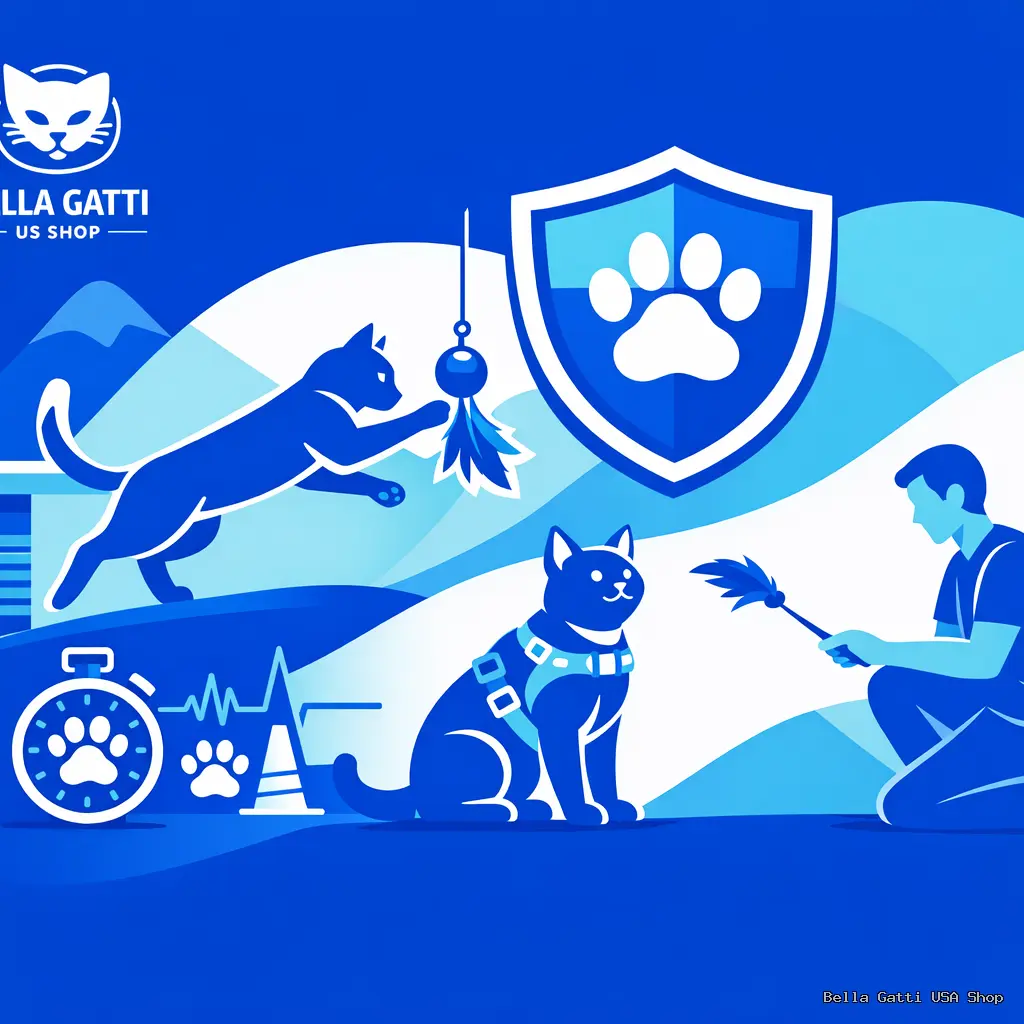
- Prioritize Health and Safety: Due to the high prevalence of Feline Osteoarthritis (OA) and weakening muscles, play must be low-impact, gentle, and short (3–7 minutes, multiple times daily). Always consult your cat veterinarian to rule out hidden pain (Behavioral Pain Masking).
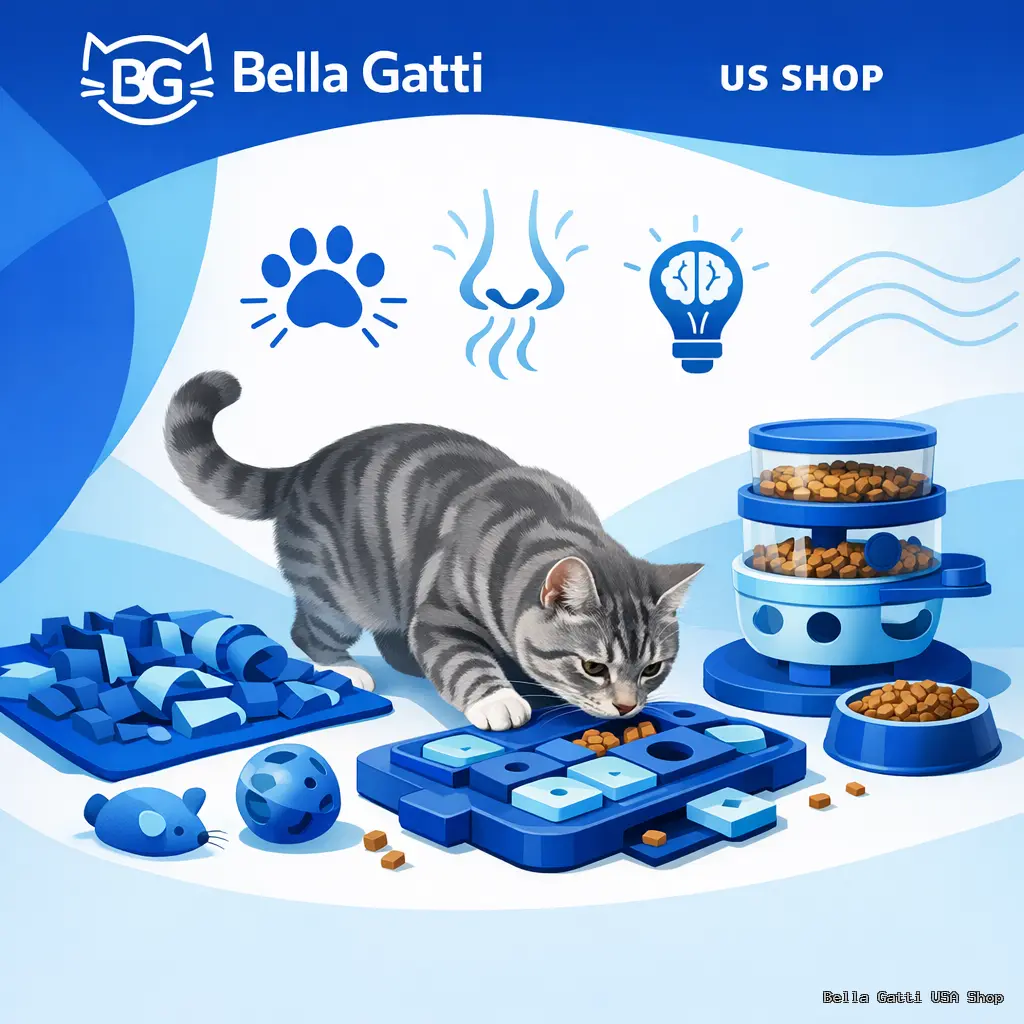
- Focus on Mental Enrichment: When physical activity is limited, heavily utilize scent-work activities (hiding strongly scented treats or using catnip/silvervine) and accessible food puzzles to provide necessary mental stimulation and combat cognitive decline.
- Modify Physical Play: Shift from high-impact chasing to slow, ground-level engagement. Use modified wand toys (slow drag), stationary motion toys (e.g., Petlinks Mystery Motion), and ensure all vertical spaces (beds, windows) are accessible via ramps or steps.
Table of Contents
- Understanding the Senior Cat Reality
- Tailoring Play for Endurance and Safety
- Understanding Senior Cat Health and Limits for Effective Cat Enrichment
- Gentle Play: Engaging the Hunter Instinct
- Mental Gymnastics: Scent and Food Enrichment
- Environmental Modifications for Aging Cats: Comfort Meets Territory
- Consult Your Cat Veterinarian: Understanding Limits and Cat Pain
- 15 Ways to Entertain Senior Cats and Boost Senior Cat Health
- Frequently Asked Questions About Senior Cat Enrichment
- The Golden Rules of Senior Cat Play: Mobility and Pain Management
- Addressing Cognitive and Sensory Decline
So, you have a distinguished gentleman or a sophisticated lady of leisure lounging on your sofa. We are talking about your senior cat, of course.
Just because your feline friend has hit the double digits does not mean playtime is over. In fact, keeping senior cats active is crucial for their long-term health and happiness.
Older cats may sleep more, but they still possess the fierce hunter spirit we celebrate on our graphic tees. You just need to adjust your approach to senior cat play.
We have compiled the ultimate guide to senior feline enrichment and activity modification, ensuring your aging companion gets the cat physical activity and cat mental activity they need, all while respecting their limits.
Understanding the Senior Cat Reality

When entertaining senior cats, the first step is understanding that their needs change dramatically. The goal shifts from exhaustive play to gentle, consistent cat enrichment that supports senior cat health and prevents cognitive decline.
This requires recognizing subtle shifts in their physical capabilities and sensory acuity.
Addressing Physical Limitations and Mobility
It is vital to monitor your older cats for signs of reduced cat mobility or pain. Studies show that up to 90% of cats over 10 years old show signs of Feline Osteoarthritis Diagnosis (OA).
These weakening muscles and potential cat arthritis mean high jumps and long chases are often off-limits. Consult your cat veterinarian for a proper Feline Orthopedic Examination Protocols if you suspect joint lubrication issues or cat pain.
Understanding limits is paramount. Look for signs of Behavioral Pain Masking (cats are masters at hiding discomfort) and adjust play to stable, low-impact activities.
Cognitive and Sensory Decline Considerations
Just as their joints age, a senior cat’s senses may diminish. Cat eyesight and cat hearing loss are common, making traditional visual toys ineffective. Managing Feline Sensory Acuity Decline requires creativity.
We must focus on activities that stimulate the senses that remain strong, primarily touch and smell, to maintain necessary cat mental activity.
Tailoring Play for Endurance and Safety
When planning senior cat play, remember that their endurance is significantly reduced. Short, frequent sessions are far better than one long session that leads to quick fatigue.
Keep play sessions under five minutes, focusing on short bursts of activity on non-slip, stable surfaces. This ensures effective cat physical activity without causing undue stress or exacerbating existing mobility issues.
Interactive Toys Suited for Limited Mobility
For cats with significant mobility limitations, stationary interactive toys are a game-changer. Tools like the Petlinks Mystery Motion or even moving a Da Bird Original Feather Wand Toy gently along the floor can trigger the hunting instinct without demanding jumping or fast running.
These specialized tools allow you to keep cats active while minimizing strain on aging joints and weakening muscles.
The Power of Scent-Work Activities
Scent-based enrichment is one of the best ways to entertain senior cats who struggle with movement or diminishing eyesight. Their sense of smell often remains keen.
Try hiding strongly scented treats (like Churu or smelly fish flakes) or using enrichment items infused with catnip or silvervine from brands like Potaroma.
Scent-work activities provide intense cat mental activity and stimulation, supporting cognitive decline prevention without requiring any significant physical exertion.
Now that we have established the ground rules for senior cat health and safety, let us dive into the 15 specific ways you can turn your home into the ultimate playground for your distinguished companion.
Understanding Senior Cat Health and Limits for Effective Cat Enrichment

Before you rush to Amazon to purchase the next great toy, we need a quick chat about senior cat health. Entertaining senior cats requires understanding their unique challenges.
Their limitations are real, and respecting them is the key to successful senior cat play and keeping cats active without causing strain.
The Reality of Aging: Cat Mobility and Feline Osteoarthritis (OA)
Physical limitations are the number one concern for aging cats. As a pet owner, you might notice subtle changes in how your older cats move, jump, or even groom themselves. These are often signs of hidden cat pain.
Studies consistently show that up to 90% of cats over 10 years old exhibit signs of Feline Osteoarthritis Diagnosis (OA). This means pain is often a silent companion, requiring careful management and attention to joint lubrication.
You need to be vigilant about identifying signs of cat pain, which can manifest as reluctance to jump, reduced cat mobility, or even Behavioral Pain Masking (Hiding Pain).
The best way forward is regular mobility assessments. These assessments can help you tailor activities and dramatically improve the quality of life for your senior cat, as highlighted by resources like Preventive Vet.
In short: Do not make them jump if it hurts. When planning how to play, always keep senior cat play low-impact to protect weakening muscles and joints.
Sensory Changes and Feline Cognitive Decline Assessment
It’s not just the body that ages, the mind does too. Aging cats experience diminished senses, including changes in cat eyesight and cat hearing loss. This means the silent, fast-moving laser pointer might not be as exciting as it once was.
Furthermore, Feline Cognitive Decline Assessment is essential. Mental activity is required to keep their brains sharp and prevent cognitive decline.
Managing Feline Sensory Acuity Decline involves shifting focus. If their sight is weak, lean into activities that utilize their potent sense of smell or auditory stimuli. This is a critical aspect of cat enrichment.
Adjusting Play for Endurance and Limited Mobility
We know older cats still possess that fierce hunter spirit, but their fuel tank is smaller. Adjusting play to suit energy and endurance levels is crucial for successful senior cat play.
Monitor signs of fatigue, heavy breathing, excessive panting, or flopping over. Senior cat play sessions should be short (3-5 minutes, multiple times a day) and conducted on stable, non-slip surfaces, limiting high-impact activities.
For senior cats with limited mobility, interactive and self-play toys suited for their condition are vital. Think stationary motion toys (like Petlinks Mystery Motion) or wand toys (like the Da Bird Original Feather Wand Toy) moved gently at ground level.
Experts emphasize that adjusting play based on sensory capacity is vital, often requiring the use of sound and smell-based enrichment for cats with limited sight or hearing. This leads us directly to how we utilize treats and scent work.
Gentle Play: Engaging the Hunter Instinct

Even a distinguished senior cat still has the heart of a lion, albeit one who needs a nap after a small snack. Successful `cat enrichment` for `older cats` means triggering that primordial hunting instinct without demanding Olympic levels of performance.
The core goal of `keeping cats active` is achieved through short, thrilling bursts of focused `cat physical activity`, perfectly mimicking a successful, low-effort hunt.
Adjusting Play to Suit Endurance and Mobility
When you `entertain senior cats`, remember their endurance is limited. We strongly recommend two to three daily sessions, each lasting no more than five to seven minutes. Keep them short and sweet, never exhausting.
Monitoring for fatigue is crucial for successful `senior cat play`. Look for rapid or heavy breathing, sudden flopping over, or stopping mid-chase. These are signals that the session needs to end immediately, respecting their `understanding limits` and promoting good `senior cat health`.
Addressing Cat Arthritis and Weakening Muscles
Mobility issues are incredibly common in `aging cats`. Studies show that up to 90% of cats over 10 years old exhibit signs of `cat arthritis`, often diagnosed through Feline Osteoarthritis Diagnosis (OA).
For cats dealing with `weakening muscles` or balance problems, play must always happen on stable, non-slip surfaces. You should limit high-impact activities like big jumps or sprints that could exacerbate joint pain.
We are aiming for gentle stalking and batting. Regular mobility assessments, guided by your `cat veterinarian` using protocols like the Feline Orthopedic Examination Protocols, are crucial for tailoring activities and improving quality of life.
Interactive Toys and Sensory Adjustments
Interactive and self-play tools are essential components of `Senior Feline Enrichment and Activity Modification`. These tools help facilitate effective `senior cat play` even with restricted `cat mobility`.
Adapting Toys for Declining Sensory Acuity
As `older cats` age, they often experience a decline in sight and hearing. If your senior has limited `cat eyesight` or `cat hearing loss`, auditory or olfactory cues become more important. This is part of Managing Feline Sensory Acuity Decline.
Wand toys are still fantastic, but your technique must adapt. Instead of whipping the Da Bird Original Feather Wand Toy across the room, drag it slowly along the floor in small, controlled distances.
This low-to-the-ground movement allows your cat to stalk and pounce without demanding significant physical exertion, reducing strain on joints affected by `cat arthritis`.
For independent stimulation, stationary motion toys are excellent. Products like the Petlinks Mystery Motion require minimal movement but still engage that crucial predatory focus. Battery-powered toys that wobble or gently rotate are perfect for exciting seniors without demanding intense running.
Focusing on Cat Mental Activity
While physical movement is important, engaging the brain is critical for preventing `cognitive decline`. Even if your cat is experiencing `cat pain` or has severe mobility issues, mental stimulation is a non-negotiable aspect of `cat enrichment`.
One highly effective method is using scent-work. Hiding strongly scented treats or utilizing stimulating items like catnip or silvervine (Potaroma is a common example) helps stimulate olfactory senses without requiring physical exertion.
For cats with severely limited `cat mobility`, incorporating food puzzles or treat balls (even those requiring just a gentle nudge) provides robust `cat mental activity` and supports the Feline Cognitive Decline Assessment goal of maintaining brain function.
Here is a quick look at how different toy types stack up for optimizing `cat physical activity` and `cat mental activity` in your senior:
| Toy Type | Mobility Requirement | Primary Sensory Focus | Best Use Case for Senior Cats |
|---|---|---|---|
| Feather Wand (Slow Drag) | Low to Moderate | Visual, Tactile | Short, controlled play sessions to encourage stalking and gentle pouncing. |
| Puzzle Feeder | Very Low | Olfactory, Mental | Independent activity, crucial for preventing Feline Cognitive Decline Assessment. |
| Motorized Wobblers | Low | Auditory, Visual | Self-play that requires batting rather than chasing, ideal for cats with mild `cat arthritis`. |
| Scent Balls/Pillows | Minimal | Olfactory | For cats with severe `cat eyesight` or hearing loss, utilizing the sense of smell. |
Mental Gymnastics: Scent and Food Enrichment
After mastering the gentle hunt, it’s time to move the fun upstairs, to the brain. For older cats who might be experiencing cat arthritis or weakening muscles, cat mental activity is the perfect way to provide cat enrichment without taxing their joints.
As our beloved senior cats age, focusing on cognitive decline becomes vital. Adjusting activities based on sensory capacity is key, especially since vision and hearing may diminish, but the sense of smell often remains sharp. This is essential for senior cat health.
When cat physical activity becomes challenging due to age or reduced cat mobility, you must double down on activities that stimulate the mind. This is the essence of effective Senior Feline Enrichment and Activity Modification.
The Power of Scent-Work: Olfactory Enrichment
The nose knows! Scent-work is a highly effective way to entertain senior cats because it engages their primary sensory tool without demanding complex movements. This low-impact stimulation is ideal for aging cats dealing with potential cat pain.
We recommend starting simple: hide small, smelly treats or highly desirable lickable items like Churu throughout an easily accessible area. This activity enhances engagement dramatically, requiring virtually no physical exertion.
Strongly scented items like high-quality catnip, silvervine, or even specialized cat supplements designed for calming effects can powerfully stimulate the olfactory senses. This keeps them engaged and actively using their environment.
Problem-Solving and Food Puzzles for Cognitive Health
Food puzzles are essential tools for older cats. They transform routine mealtime into a stimulating challenge, effectively preventing boredom and slowing down rapid eating. This is a crucial element of Feline Cognitive Decline Assessment via play.
Start with simple feeders that require only batting or nudging. As your cat’s confidence grows, you can move to slightly more complex puzzle feeders that require deeper cat mental activity. Always ensure the puzzle is stable and accessible, mitigating the risk of discomfort associated with cat arthritis.
Tapping into natural foraging instincts is crucial for senior cat health. By making them work (just a little!) for their food, you are actively keeping cats active mentally and fighting the signs of cognitive decline.
If you need resources for finding the best puzzles for limited mobility, reliable sources like Preventive Vet offer great advice, and retailers like Amazon provide a wide range of options. Remember, adjusting the challenge level helps you in understanding limits and ensures your cat is happy, not frustrated.
Environmental Modifications for Aging Cats: Comfort Meets Territory

After stimulating their brilliant minds, we need to ensure their bodies are equally supported. Your home must evolve with your beloved senior cats.
Environmental modifications are essential for ensuring stability, safety, and continuous, low-effort cat enrichment, especially as they face declining cat mobility. This is key to keeping cats active safely.
Supporting Senior Cat Mobility and Joint Health
Let’s face the facts: Your distinguished elder statesman might be struggling with weakening muscles and joint pain. Understanding limits is the first step in successful senior cat play.
Up to 90% of older cats over the age of 10 show clinical or radiological signs consistent with Feline Osteoarthritis Diagnosis (OA). This means mobility issues like cat arthritis are incredibly common in aging cats.
If you notice hesitation before jumping, stiffness, or signs of behavioral pain masking (hiding pain), it’s time to consult your cat veterinarian about joint lubrication and potential cat supplements.
Creating Accessible Vertical Spaces
Cats love height, it is crucial for their sense of security and territory. However, a senior cat with significant cat arthritis cannot safely leap onto the refrigerator anymore.
You need to create “cat highways” using stable furniture, ramps, or steps. Ensure that every vertical perch, like a window seat, is easily accessible via gentle slopes or low stairs.
The goal is to maintain their sense of territory and security without causing cat pain or risking injury. This supports senior cat health while respecting their physical limitations.
Sensory Adjustments: Visual and Auditory Enrichment
As aging cats experience Feline Cognitive Decline Assessment and Feline Sensory Acuity Decline, we must adjust how we entertain senior cats.
This means pivoting away from activities that require perfect coordination toward those that engage diminished senses, such as cat eyesight or cat hearing loss.
Passive Visual Stimulation
Visual enrichment, like setting up bird and critter feeders near windows, provides hours of passive entertainment. Ensure your cat has a wide, stable perch near the window, no precarious balancing acts!
This is a low-impact activity that stimulates their hunting drive visually, a concept heavily promoted by experts like Preventive Vet. It’s perfect for older cats who need cat mental activity without strenuous cat physical activity.
Auditory and Tactile Aids
Auditory stimuli, such as specialized cat TV channels or sound toys that mimic chirping, can captivate a cat whose sight might be fading or who is experiencing cat hearing loss.
Consider tactile enrichment, too. Placing textured mats or low tunnels provides new sensations for Feline Paw Pad and Nail Senescence (Aging) and encourages gentle movement.
These simple adjustments make all the difference in keeping senior cats active and engaged in their environment.
Consult Your Cat Veterinarian: Understanding Limits and Cat Pain
When planning Senior Feline Enrichment and Activity Modification, your cat veterinarian is, without a doubt, your most important vet resource.
You need tailored advice before you try to entertain senior cats. Understanding the difference between a slightly lazy cat and a cat experiencing genuine cat pain is vital for senior cat health.
Do not assume lethargy is just “old age.” It might be Behavioral Pain Masking (Hiding Pain), which is extremely common in older felines.
Assessing Mobility and Cat Arthritis
Your vet is equipped to perform detailed assessments, such as Feline Orthopedic Examination Protocols, to accurately diagnose issues like Feline Osteoarthritis Diagnosis (OA).
This assessment is crucial because mobility issues, cat arthritis, and weakening muscles dramatically impact how you approach senior cat play.
Fact check: Studies show that up to 90% of older cats over 10 years old show signs of osteoarthritis. Regular mobility assessments can drastically improve the quality of life for aging cats.
By understanding limits, you can ensure their cat physical activity remains safe and beneficial, rather than harmful.
Considering Cognitive Decline and Sensory Acuity
As part of comprehensive senior cat health monitoring, your vet can also assess potential sensory issues.
They can perform a Feline Cognitive Decline Assessment and check for Managing Feline Sensory Acuity Decline, including cat eyesight and cat hearing loss.
These declines require modifications to cat enrichment, you might need to switch from visual toys to sound or scent-based activities to keep your senior cats engaged.
Tailoring Treatment for Play
Once limits are established, your vet can guide you on options to manage chronic discomfort, making low-impact senior cat play possible again.
This guidance often includes recommendations for specialized cat supplements for joint lubrication or prescription cat medications to manage pain effectively.
By proactively managing pain, you ensure that keeping cats active becomes a joy for them, not a chore.
15 Ways to Entertain Senior Cats and Boost Senior Cat Health
Now that you have consulted your cat veterinarian and have a clear understanding of your pet’s physical limits, especially concerning potential cat arthritis or cat pain, it’s time for the fun part.
Keeping cats active, even those distinguished aging cats, is vital. Remember, consistency is key, not intensity. These 15 activities focus on low-impact engagement suitable for senior cat play and addressing weakening muscles.
Engaging the Senses: Maximizing Cat Mental Activity
As cats age, their cat eyesight and cat hearing loss may require you to pivot away from purely visual toys. This is where scent and sound step in to boost cat mental activity and combat cognitive decline. Adjusting play based on sensory capacity is vital for older cats.
Treat Hiding Games: Utilize strongly scented treats (like those containing Potaroma or Churu) hidden under paper cups or towels for critical scent-work. This addresses the fact that up to 90% of cats over 10 years old show signs of Feline Osteoarthritis Diagnosis (OA), making physical play difficult. Scent games require zero cat physical activity but provide intense focus.
The Potaroma Scent Puzzle: Introduce toys infused with potent catnip or silvervine. These activate the brain without requiring significant movement. This type of cat enrichment is highly effective for older cats dealing with limited cat mobility.
The Warm Towel Game: Hide a favorite toy or treat under a warm, recently dried towel. The combination of heat and scent is irresistible, tapping into primal instincts while providing comfort.
The Window Show: Position a stable bird feeder right outside a favorite window perch. This passive visual stimulation is highly recommended by Preventive Vet for senior cats. Watching the world go by is excellent low-effort engagement.
Auditory Tracks: Play specialized videos of squirrels or high-frequency sounds that mimic prey. Stimulating their hearing keeps them alert, especially if they are managing Feline Sensory Acuity Decline. You can find many free tracks on platforms like Amazon Music or YouTube.
Tailoring Physical Play for Limited Cat Mobility
When learning how to play with senior cats, the key is modification. We need to encourage gentle movement to prevent weakening muscles, but avoid high jumps or twisting motions that exacerbate cat pain. Tools like wand toys and stationary motion toys are identified as effective for older cats with mobility issues.
The Slow Wand Drag: Use the Da Bird Original Feather Wand Toy, but move it at a snail’s pace, literally dragging it along the floor. Allow your cat to “win” easily, boosting confidence and engagement without demanding major exertion. Monitoring Feline Orthopedic Examination Protocols will help you understand their maximum safe range of motion.
Interactive Self-Play: Use the Petlinks Mystery Motion toy or similar battery-operated items that move randomly in short bursts. These are perfect for older cats dealing with cognitive decline or mobility issues, as they can engage from a stationary position.
Laser Pointer Adjustments: If their cat eyesight is still good, use a laser pointer, but keep the dot close to them (no chasing across rooms!). Always end the game by directing the light onto a physical toy they can catch. This prevents frustration and reinforces the hunting cycle.
Environmental Modifications for Comfort and Cat Mobility
Environmental modifications are crucial for senior cat health. We must acknowledge the physical limitations inherent in aging cats. Ensuring easy access and stable footing is non-negotiable for Senior Feline Enrichment and Activity Modification.
Elevated Perches with Ramps: Install carpeted ramps next to beds or sofas so your cat can easily access high spots without jumping. This addresses cat mobility issues directly and reduces strain on joints affected by cat arthritis. Access to vertical space is essential cat enrichment.
Tactile Enrichment Mats: Place textured mats or small, low tunnels in their path. Feline Paw Pad and Nail Senescence (Aging) means they appreciate soft, non-slip surfaces. This makes them more confident in moving around, encouraging them to stay keeping cats active.
Cardboard Box Forts: Provide new, sturdy cardboard boxes frequently. They offer safe, enclosed spaces for tactile enrichment and hiding. This satisfies the cat’s natural desire for security and is an easy way to entertain senior cats.
Heated Beds: While not technically play, warmth soothes aching joints. By making them more comfortable and less prone to cat pain, you make them more willing to move and engage in senior cat play later on. Heat is a great Non-Invasive Pain Diagnosis (Thermography) management tool.
Grooming, Treats, and Gentle Massage: The Ultimate Bonding Experience
The best way to monitor senior cat health and reinforce comfort is through gentle, hands-on activities. This is especially important for older cats who might be masking pain (Behavioral Pain Masking).
Lick Mats and Slow Feeders: Spread wet food or Churu on a specialized lick mat. This extends mealtime, providing calming mental focus and satisfying the need for cat mental activity. This is a crucial strategy for how to play when physical movement is too challenging.
Grooming Sessions: Gentle brushing is bonding and helps them reach spots they can no longer groom due to Feline Osteoarthritis Diagnosis (OA) or cat arthritis. Use soft brushes and make the session short and relaxing.
Lap Time and Gentle Massage: Sometimes, the best enrichment is direct bonding. Gentle joint massage, guided by your cat veterinarian, improves joint lubrication and comfort. This is a wonderful way to entertain senior cats while providing essential physical support.
When implementing these strategies, remember that consistency trumps intensity. Keep play sessions short, 5 to 10 minutes, multiple times a day, and always monitor your older cats for signs of fatigue, such as heavy breathing or excessive flopping over.
By tailoring your approach to respect their Feline Cognitive Decline Assessment and cat mobility, you ensure that every playtime is positive, enriching, and contributes directly to senior cat health.
Frequently Asked Questions About Senior Cat Enrichment
How often should I engage in senior cat play?
Understanding limits is crucial when you entertain senior cats. You should aim for two to three dedicated play sessions per day to boost senior cat health.
Each session should be brief, think five to seven minutes, to match their reduced energy and endurance levels. This ensures you are keeping cats active without overexerting their weakening muscles.
Always monitor for signs of fatigue, such as heavy breathing or flopping over. Adjusting play to suit energy and endurance levels means stopping immediately if your aging cats seem tired. Consistency is crucial, but short bursts are better than one long sprint!
My older cat shows no interest in toys. What gives?
If your distinguished feline suddenly ignores their favorite toys, it often signals cat pain or sensory decline. Up to 90% of cats over 10 years old show signs of cat arthritis, which severely impacts their desire for cat physical activity.
First, consult your cat veterinarian for a Feline Osteoarthritis Diagnosis (OA). If health is fine, we must consider cognitive decline or Managing Feline Sensory Acuity Decline. Adjusting play based on sensory capacity is vital, especially if they are experiencing cat eyesight or cat hearing loss.
If visual toys fail, switch to scent-based cat enrichment. Use of treats and scent-work activities is highly effective for older cats. Hiding smelly treats (like Churu) or using strongly scented items like catnip and silvervine stimulates the olfactory senses, providing great cat mental activity without demanding physical exertion.
Are laser pointers safe for senior cats with limited mobility?
Yes, laser pointers can be used safely, provided you use them responsibly, especially given the potential for weakening muscles and joints. The key is to manage the typical frustration associated with the laser dot.
Always ensure the game ends with a catchable object, a treat or a physical toy, to satisfy their hunting drive. For senior cats, keep movement slow and close to the ground, limiting high-impact activities like jumping or fast running.
For cats with significant cat mobility issues, interactive and self-play toys suited for limited mobility, like stationary motion toys (such as Petlinks Mystery Motion) or wand toys (like Da Bird Original Feather Wand Toy) moved small distances, are often a safer bet than high-speed laser chases.
How can I tell if my senior cat is experiencing cat pain?
Aging cats are masters of disguise. Signs of cat pain are subtle and often fall under the umbrella of Behavioral Pain Masking (Hiding Pain). Look for changes in routine: reduced grooming, reluctance to use the litter box, hiding, or aggression when touched.
A sudden decrease in cat mobility, jumping, or unwillingness to engage in senior cat play are major red flags. This is why regular mobility assessments are so important for senior cat health and understanding limits.
If you suspect cat pain, immediate consultation with your vet resource is necessary. They can perform specialized checks, such as Feline Orthopedic Examination Protocols, to diagnose issues like cat arthritis accurately.
Are cat supplements for joint lubrication worth the investment?
Absolutely, specific cat supplements (often containing glucosamine or chondroitin) can be highly beneficial for enhancing joint lubrication and improving senior cat health and mobility. They are a powerful tool for supporting aging cats.
However, never start supplements without professional guidance. You must always discuss these options with your cat veterinarian first. They can recommend the appropriate supplements based on your cat’s specific needs and existing cat medications, ensuring maximum benefit and safety.
***
The Golden Rules of Senior Cat Play: Mobility and Pain Management
Before you introduce a new feather wand or a tricky puzzle feeder, you must perform a crucial mobility assessment of your senior cat. It’s not about being a drill sergeant, it’s about understanding their current physical reality.
Many aging cats suffer silently from issues like cat arthritis and generalized weakening muscles. This is why we emphasize understanding limits. Play sessions must be short, think five to seven minutes, and always conducted on stable surfaces.
If you see signs of fatigue, like heavy breathing or immediately flopping over, stop the senior cat play instantly. The goal of keeping cats active is gentle movement, not training for a marathon: high-impact activities are strictly off-limits to protect their joints.
Recognizing the Subtle Signs of Cat Pain
Cats are masters of disguise, especially when it comes to discomfort. This phenomenon is known as Behavioral Pain Masking (Hiding Pain). If your distinguished companion suddenly stops using their favorite climbing tree or avoids the litter box, don’t assume they are just being lazy.
A sudden decrease in cat mobility or reluctance to engage in senior cat play is often the first red flag indicating cat pain. We strongly advise consulting your cat veterinarian to rule out underlying issues like Feline Osteoarthritis Diagnosis (OA).
Your vet can perform specific tests, such as Feline Orthopedic Examination Protocols, to pinpoint the source of discomfort. Early identification of cat pain is essential, once managed, you will find it much easier to successfully entertain senior cats.
Addressing Cognitive and Sensory Decline
The aging process affects more than just joints, it impacts the senses. As our senior cats age, they may experience decreased cat eyesight and cat hearing loss. Furthermore, studies show that up to 90% of cats over 10 years old show signs of osteoarthritis, which heavily influences their willingness to move.
Feline Cognitive Decline Assessment is crucial. If they struggle to track visual toys due to cat eyesight issues, switch your focus entirely. This is where scent and sound become your best friends for effective cat mental activity.
We need to modify play based on Managing Feline Sensory Acuity Decline. For instance, use crinkly toys for those with hearing loss, or strongly scented items for those with reduced vision. This ensures effective cat enrichment tailored to their needs.
Powering Up Play Through Scent and Treats
When visual tracking fails, the nose knows! Scent-work activities are perfect for entertaining senior cats because they stimulate the brain without requiring taxing physical effort. Think of it as low-impact cat mental activity.
Try hiding small, smelly treats or using high-value lickable snacks, like Churu, in puzzle toys. Strongly scented items, such as catnip or silvervine-infused toys (like those from Potaroma), can revitalize a bored senior. This gentle form of cat enrichment taps into their predatory drive using their sharp sense of smell, making it a powerful tool for keeping cats active mentally.
Low-Impact Toys for Limited Mobility
For senior cat play, ditch the high-flying jumps and focus on ground-level engagement. We love interactive toys like wand toys (the Da Bird Original Feather Wand Toy is a classic), but you must adjust your technique.
Keep the movements slow, close to the ground, and deliberate. The toy should mimic injured prey, allowing the cat to stalk and pounce easily, preventing strain on joints affected by cat arthritis.
Stationary motion toys, like the Petlinks Mystery Motion, are excellent for self-play because they encourage short bursts of focus without demanding excessive speed or distance. The key to successful Senior Feline Enrichment and Activity Modification is to ensure the game ends successfully, fulfilling that hunt sequence without stressing their weakening muscles.
References
- Enrichment and Activity For Senior Cats – Preventive Vet
- 5 enriching indoor activities for your senior cat – Vetster
- Recommendations on enrichment for aging cats who show … – Reddit
- Enrichment for Senior Cats – The Cat Fanciers’ Association
- I need new ways to entertain my cat please…he’s 15. – Facebook